U.S. Military to Fully Withdraw from Iraq by September 30 Amid Broader Regional Shifts
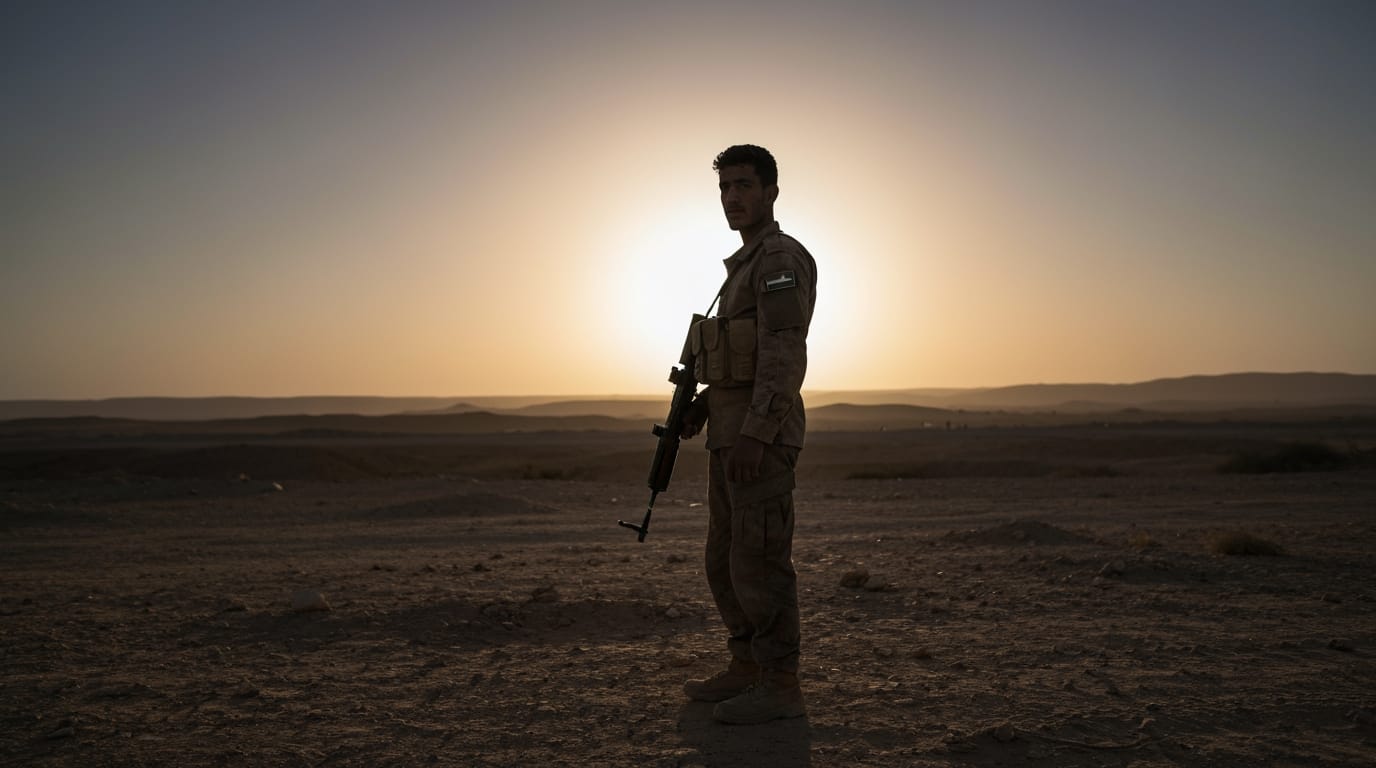
Washington D.C. - The United States military is set to complete a full withdrawal from Iraq by September 30, 2026, marking a significant pivot in the two nations' relationship after decades of American military presence in the country. The landmark announcement was made jointly by Iraqi Prime Minister Ali al-Zaidi and U.S. President Donald Trump during a meeting at the White House on Tuesday, July 14, 2026, signaling the conclusion of the U.S.-led coalition's mission in Iraq. This military departure coincides with a critical internal deadline set by the Iraqi government for all Iran-aligned militias to disarm, ushering in a new and complex phase for Iraqi sovereignty and regional stability.
A New Chapter in U.S.-Iraq Relations
During the high-profile Oval Office meeting, Prime Minister al-Zaidi confirmed that the full U.S. military withdrawal would be finalized by the end of September. President Trump echoed this sentiment, stating, "Well, we don't think we need the military there anymore," though he affirmed the United States' willingness to assist Iraq if necessary. This declaration by both leaders solidifies a previously discussed timeline for troop reduction, transitioning the relationship from one heavily defined by military cooperation to a broader partnership focused on economic development and investment. Prime Minister al-Zaidi, on his inaugural foreign visit to Washington since assuming office in May, underscored Iraq's ambition for a future built on economic growth and robust international alliances.
Decades of Evolving Presence and Mission
The impending withdrawal represents the culmination of an evolving military engagement that began most recently in 2014. At the request of the Iraqi government, the United States formed the Combined Joint Task Force – Operation Inherent Resolve (CJTF-OIR) to combat the rising threat of the Islamic State (ISIL) which had overrun significant parts of Iraq. Initially deploying thousands of troops for combat operations, the mission shifted dramatically over time. By December 2021, the U.S. officially ended its combat role in Iraq, transitioning its remaining approximately 2,500 personnel to an advisory, training, and assistance capacity for Iraqi security forces.
Recent months have seen further substantial reductions in the U.S. military footprint. In January 2026, U.S. soldiers fully departed the strategically important Ain al-Assad airbase, transferring control to Iraqi forces. The decision to fully withdraw reflects an assessment by both Washington and Baghdad that Iraqi security forces have developed sufficient capabilities to manage the country's defense and counter any residual threats from extremist groups. Iraqi officials have consistently argued that with the significant defeat of ISIS, the primary justification for a large multinational military presence no longer holds.
Iraq's Internal Security Imperative: Disarming Militias
Crucially, the September 30 deadline for the U.S. military withdrawal is intricately linked to a parallel and equally ambitious objective set by the Iraqi government: the disarmament of powerful Iran-backed armed groups. Prime Minister al-Zaidi's administration has mandated that all Iran-aligned groups must hand over their weapons to the state by this date. This initiative is central to Baghdad's broader strategy of reasserting state sovereignty and establishing a monopoly on the use of force within its borders.
The disarmament effort, however, faces considerable hurdles. Several influential armed factions, some with direct ties to Iran, have expressed resistance to the government's demand, linking their disarmament to the complete cessation of any foreign military presence in Iraq. While some groups have shown willingness to negotiate or even integrate into state security institutions, others, such as Kataib Hezbollah and Harakat Hezbollah Al Nujaba, have voiced strong objections, presenting a significant challenge to the al-Zaidi government's authority. Washington has conditioned increased defense and economic cooperation on tangible progress in disarming these militias, emphasizing the necessity of preventing Iraq from becoming a battleground for proxy conflicts.
Charting a Future of Strategic Partnership
With the military withdrawal set, both the United States and Iraq are looking to redefine their relationship, shifting towards an emphasis on economic and strategic partnership. Prime Minister al-Zaidi's discussions in Washington encompassed expanding cooperation in vital sectors such as infrastructure, energy, manufacturing, technology, and the digital economy. Iraq is actively pursuing reforms to enhance its investment climate and regain international confidence, recognizing that economic development is intrinsically tied to stability and the rule of law.
This new phase aims to move beyond crisis management, fostering a long-term strategic and economic partnership. However, navigating this transition will require delicate diplomacy, as Iraq seeks to balance its relationships with both Washington and Tehran, all while confronting the complexities of its internal political landscape and regional dynamics. The commitment to a complete U.S. military withdrawal underscores a mutual desire to evolve the bilateral relationship, opening avenues for collaboration that extend far beyond military operations and into areas critical for Iraq's long-term prosperity and stability.


