Trump Declares Iran Peace Deal Days Away Amidst Mideast Turmoil
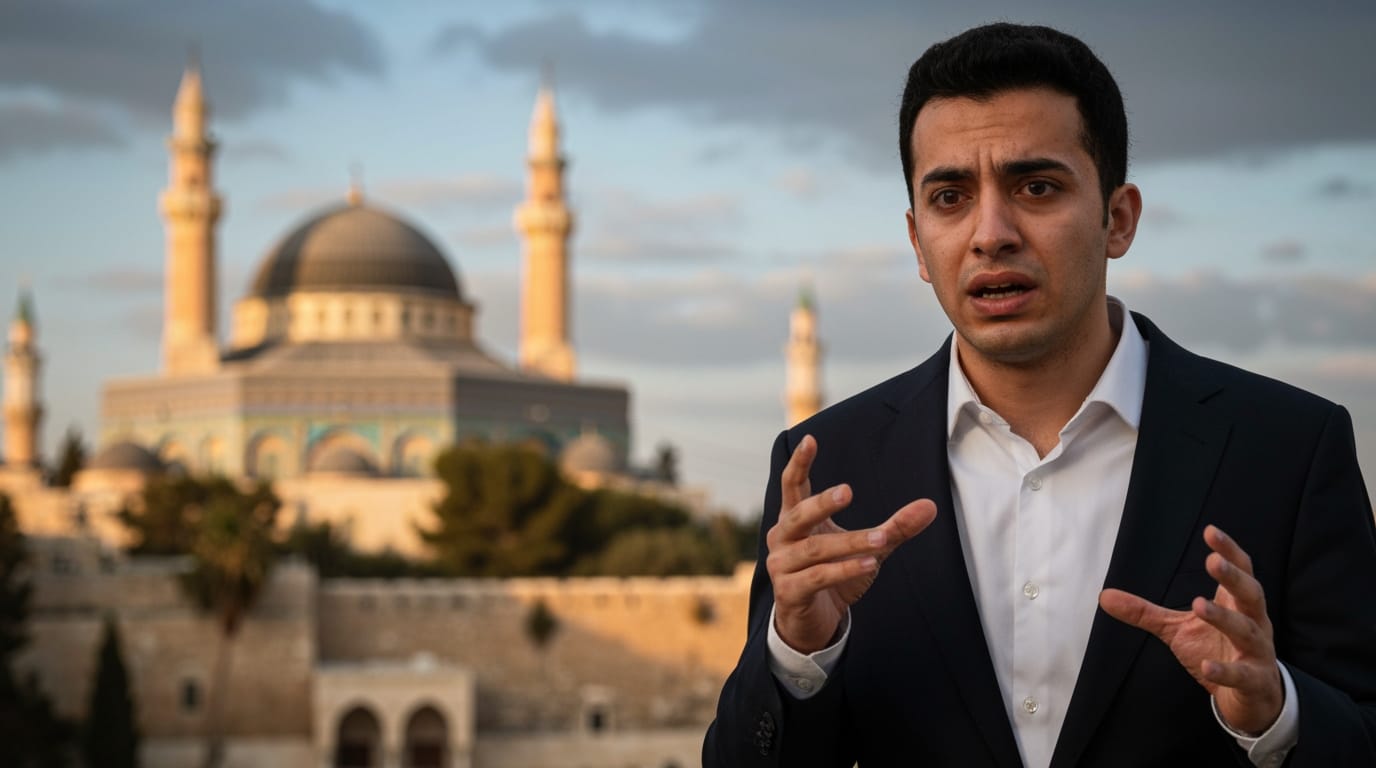
WASHINGTON – As the Middle East grapples with persistent conflict, U.S. President Donald Trump announced on June 9, 2026, that a peace agreement with Iran is in its "final throes" and could materialize within "two or three days." This declaration follows a recent escalation of hostilities between Iran and Israel, temporarily halted through what the President described as his mediation. However, the recurring nature of such optimistic pronouncements from the White House, juxtaposed with ongoing regional violence and deep-seated distrust, leaves observers questioning the feasibility and imminent arrival of a lasting resolution.
The latest claim comes against a backdrop of over 100 days of conflict between the United States and Iran, a period marked by continuous military engagements and a fragile ceasefire. Despite an April 8 ceasefire, sporadic exchanges of fire have continued, underscoring the volatility of the region.
The Latest Optimism Amid Renewed Hostilities
President Trump's June 9 assertion was made upon his return from an NBA Finals game, where he informed reporters that negotiators were nearing the completion of a significant accord. He indicated that both Iran and Israel had agreed, at his urging, to cease their recent exchange of missile attacks, which had threatened to reignite the broader months-long conflict. Tehran had launched missiles at Israel on June 7, prompting Israeli retaliation, despite U.S. calls for restraint. Iran subsequently fired another salvo before announcing a cessation of military action, a move followed hours later by Israeli Prime Minister Benjamin Netanyahu's announcement that the "fire on that front is contained."
The President has repeatedly framed such developments as breakthroughs, projecting a rapid resolution. His projected timeline of "two or three days" for finalizing the deal adds to a series of similar statements made throughout the ongoing conflict. These claims of nearing an agreement have often been accompanied by strong rhetoric, including a past declaration that only "ignorance or stupidity" could impede a peace deal between Israel and Iran.
A Pattern of Assertions and Skepticism
The recent optimism echoes previous statements from the President regarding an impending resolution. In late May, on the 29th, Trump suggested a deal could be approved, citing major concessions from Tehran, including the opening of the Strait of Hormuz and the elimination of its nuclear program. Just days prior, on May 24, he maintained that a peace deal with Iran was "largely negotiated" with only "final details being discussed" after consultations with Israel and other allies. These pronouncements, however, have frequently been met with skepticism and contradictory statements from Iranian officials.
Iran has consistently refuted key aspects of these claims. Following Trump's May 29 statement, top Iranian officials indicated that a final agreement had not been reached. Notably, Iran rejected the President's assertion regarding control over the Strait of Hormuz, a critical international waterway. While Iran reportedly agreed to allow shipping to return to pre-war levels, it maintained that full "free passage" as it existed before the conflict would not be reinstated, affirming its continued authority over the strait. Iranian President Masoud Pezehskian indicated on June 9 that Tehran remained "at the negotiating table," a subtle but significant contrast to the U.S. President's declaration of a deal in its "final throes." Furthermore, earlier in the conflict, Iran's Foreign Ministry dismissed some of Trump's claims as "false and baseless." Some American officials have reportedly suggested that Trump's social media posts regarding negotiations are often primarily for domestic promotional and media consumption.
Decades of Tensions and the "Maximum Pressure" Campaign
The current landscape of U.S.-Iran relations, and the broader Middle East, is deeply shaped by a history of conflict and a significant shift in U.S. policy during the Trump administration. In 2018, the U.S. withdrew from the Joint Comprehensive Plan of Action (JCPOA), commonly known as the Iran nuclear deal, a move that reversed the engagement-oriented approach of the previous administration. This withdrawal was followed by a "maximum pressure" campaign, imposing over 1,500 sanctions targeting Iran's financial, oil, and shipping sectors, severely impacting its economy.
The escalation of tensions continued with significant military actions. In January 2020, the U.S. assassinated Iranian General Qasem Soleimani in a drone strike, leading to retaliatory missile attacks by Iran. After winning the 2024 presidential election, the current Trump administration began its second term with a mix of threats and offers for dialogue. A pivotal moment arrived in June 2025 with U.S. and Israeli strikes on Iranian nuclear sites. This was followed by a "massive" military operation codenamed "Epic Fury," launched by the U.S. and Israel against Iran on February 28, 2026. This operation targeted numerous sites and, crucially, resulted in the death of Iran's Supreme Leader Ali Khamenei, who had governed since 1989. This event marked the beginning of what has been referred to as a "war" between the U.S. and Iran, with the ensuing 100 days characterized by ongoing conflict. Iran's nuclear program has accelerated since the U.S. withdrawal from the JCPOA in 2018, adding another layer of complexity and urgency to any potential deal.
The Sticking Points: Demands and Obstacles
The path to any comprehensive peace deal remains fraught with significant obstacles and non-negotiable demands from both sides. President Trump has outlined stringent conditions, including Iran's unequivocal agreement to abandon nuclear weapons development, the complete opening of the Strait of Hormuz to all traffic without tolls, the elimination of mines in the waterway, and allowing the U.S. to unearth and destroy highly enriched uranium from Iranian sites. He has also indicated that a deal would prevent the transfer of frozen assets to Iran and would entail the lifting of the U.S. naval blockade.
Conversely, Iran's demands, communicated in response to a U.S. peace proposal in May 2026, included an end to the war across the entire region, the cessation of the U.S. naval blockade, and the release of Iranian assets frozen in foreign banks. Tehran has also consistently tied any deal to the issue of Lebanon, where Israel has been engaged in conflict with Iran-backed Hezbollah. Israel, for its part, has maintained that its campaign in Lebanon will continue regardless of other agreements, and has insisted that any U.S.-Iran agreement will not cover its conflict with Hezbollah.
The ongoing conflict has had far-reaching implications beyond military engagement, disrupting global energy supplies and unsettling the world economy. Oil prices have experienced spikes due to the instability in the region and threats to key shipping lanes. The deep distrust and complex technical and political hurdles continue to impede progress, reflecting the magnitude of the disagreements that persist despite presidential claims of imminent peace.
Conclusion
President Trump's latest assertion of an imminent peace deal with Iran, while offering a glimmer of hope for some, is viewed by many through a lens of cautious skepticism given the profound historical context and continuous friction. The chasm between the U.S. and Iran, exacerbated by years of "maximum pressure," military confrontations, and conflicting demands, presents formidable challenges to any lasting resolution. While the temporary halt in recent Iran-Israel hostilities might suggest a window for de-escalation, the fundamental disagreements over Iran's nuclear ambitions, regional influence, and economic sanctions remain deeply entrenched. Until concrete, verifiable steps are taken and publicly acknowledged by all parties, the pronouncements of an imminent peace deal are likely to remain aspirational amidst the enduring complexities of the Middle East.


