Trump Extends Conditional Economic Lifeline to Iran Amidst Fragile Peace Efforts
In a significant diplomatic shift, President Donald Trump has offered Iran an economic lifeline, formalized through a 14-point memorandum of understanding (MOU) aimed at de-escalating months of heightened tensions and conflict in the Middle East. The agreement, brokered with the mediation of Pakistan and Qatar, promises substantial economic relief for Tehran but comes laden with contentious conditions and a tight 60-day negotiation window, sparking a mixed international reception and considerable skepticism regarding its long-term viability.
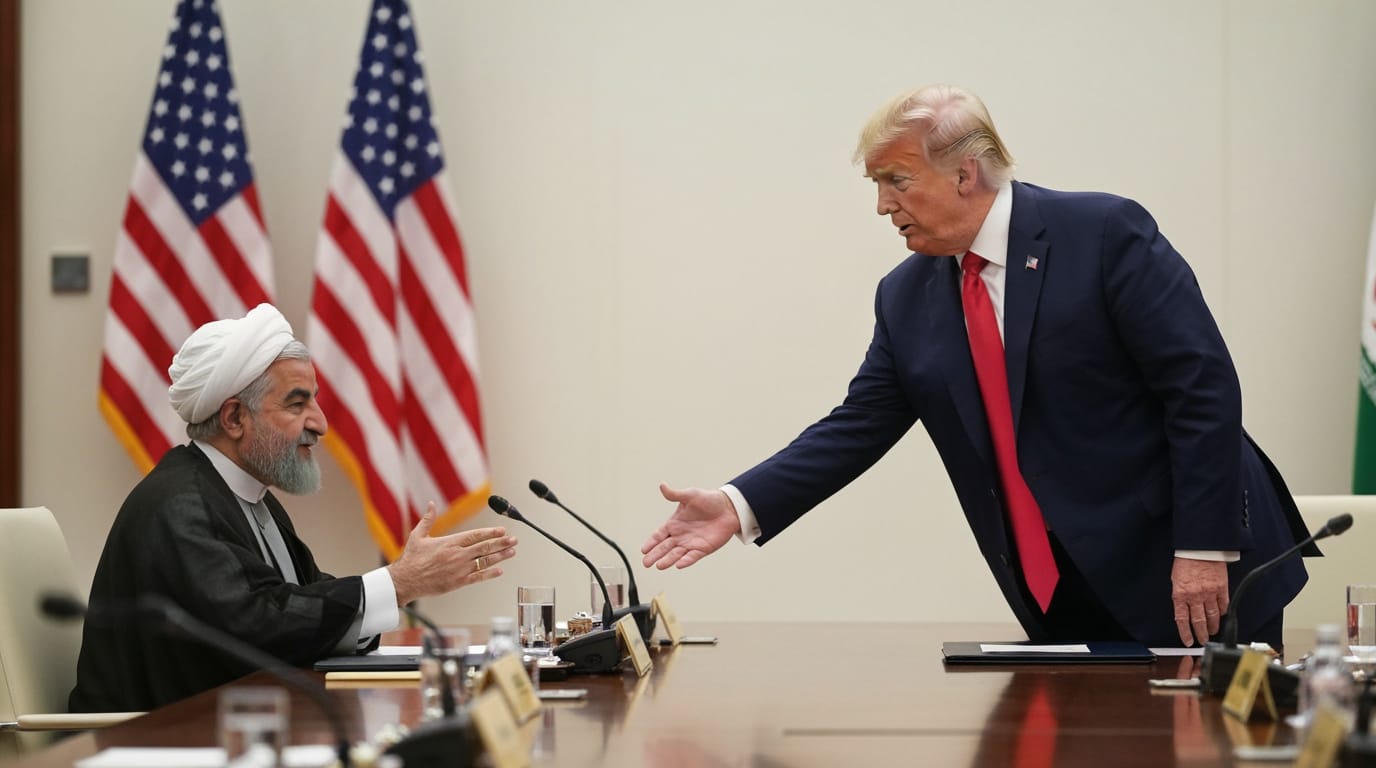
The interim deal, signed by President Trump and Iranian President Masud Bzashkan, seeks to end a period marked by military confrontations and a crippling naval blockade, which had choked off critical shipping routes and severely impacted global energy markets. While heralded by the Trump administration as a victory for peace and economic stability, the specifics of the arrangement reveal a complex tapestry of immediate concessions and demanding future obligations that will test the diplomatic resolve of both nations.
Aiding a Strained Economy: The Immediate Benefits for Tehran
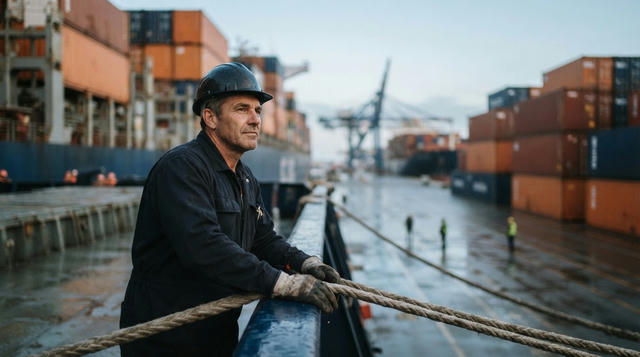
Central to the newly forged understanding are significant economic incentives designed to alleviate the severe strain on Iran's economy. Foremost among these is the immediate lifting of a U.S. naval blockade on Iranian ports, a critical step towards normalizing maritime trade. Concurrently, Washington has issued waivers for Iranian crude oil, allowing Tehran to resume exports and freely sell its oil for an initial 60-day period. This move is expected to provide a crucial financial boost, potentially earning Iran billions in revenue in the coming months.
Beyond oil exports, the MOU also paves the way for the potential unfreezing of billions of dollars in Iranian assets held abroad. Iran’s Deputy Foreign Minister Kazem Gharibabadi indicated that $12 billion of these frozen funds are slated for release in two equal installments. Furthermore, the agreement outlines plans for a substantial $300 billion reconstruction and economic development fund for Iran. While the United States has pledged to help develop this plan and grant necessary waivers, President Trump has emphatically stated that American taxpayers will not contribute to the fund, asserting that regional partners in the Gulf are expected to be the primary financiers. This economic opening represents a stark contrast to years of "maximum pressure" sanctions, signaling a pragmatic pivot driven by a desire to avert a "worldwide depression" stemming from the conflict's economic fallout.
The "Strings Attached": Conditions and Contentious Interpretations
Despite the considerable economic relief, the agreement is far from unconditional, embedded with "strings" that have already become points of contention. A core demand is Iran's reaffirmation of its commitment not to build nuclear weapons, a vow Tehran has long maintained. The deal also includes provisions for discussions on reducing Iran's 440-kilogram stockpile of highly enriched uranium. President Trump and Vice President JD Vance have publicly stated that Iran has agreed to "highest level Nuclear inspections long into the future" as part of ongoing nuclear negotiations.
However, Iranian officials have swiftly disputed these claims. Esmail Baghaei, Iran's Foreign Ministry spokesperson, explicitly stated that no new commitments were made regarding nuclear issues and dismissed assertions about increased inspections as "false and does not reflect reality." This discrepancy underscores a significant challenge in the upcoming negotiations. Similarly, a major point of contention revolves around the unfrozen Iranian assets. President Trump asserted that these funds would be placed "into escrow, controlled by the U.S.A.," and used exclusively for purchasing U.S. food and medical supplies, specifically mentioning American corn, wheat, and soybeans. Yet, Iran's Foreign Ministry spokesperson countered this, insisting that Tehran would utilize its funds "freely, in whatever manner it deems appropriate" and not under Washington's dictates.
The MOU also contains broader expectations for Iran's regional conduct. It implies a need for Iran to constrain its proxy forces, such as Hezbollah in Lebanon, and for the U.S. to temper Israeli actions in the region. While the agreement explicitly calls for an immediate end to the war on all fronts, including in Lebanon, and a mechanism to keep the Strait of Hormuz open, the intricate dynamics of regional rivalries present a formidable hurdle.
A World Divided: Reactions to the Tentative Truce
The international community's response to the US-Iran MOU has been a blend of cautious relief and deep skepticism. Many global leaders expressed optimism that the agreement could prevent further escalation and restore stability. Asian leaders and media largely welcomed the deal, while Gulf countries offered a mix of positive and neutral reactions. European leaders, including French President Emmanuel Macron, British Prime Minister Keir Starmer, Italian Prime Minister Giorgia Meloni, and German Chancellor Friedrich Merz, issued a joint statement praising the diplomatic breakthrough and hoping it would restore peace and stability to the region. They collectively viewed it as a "historic opportunity" to prevent Iran from acquiring nuclear weapons and address regional threats.
Domestically, in the United States, President Trump presented the deal as a critical measure to prevent global economic collapse and highlighted the potential financial windfall for American farmers from Iran's agricultural purchases. However, the agreement has faced considerable criticism from Republican lawmakers and national security analysts. Critics argue that the deal represents "gift after gift to the Iranian regime" and that the Trump administration, desperate to extricate itself from the conflict, made significant concessions without adequately addressing Iran's nuclear ambitions, missile program, or support for militant groups. Questions have also been raised about the transparency and accountability of the proposed $300 billion reconstruction fund, with concerns about potential fraud, abuse, and even financial benefits for the president or his associates.
In Iran, Supreme Leader Ayatollah Mojtaba Khamenei publicly endorsed the agreement, describing Trump's pursuit of the deal as driven by "desperation." However, he also issued a stern warning of a "crushing response" if Washington fails to honor its commitments, underscoring the deep mistrust that persists between the two adversaries. Iran views the agreement as a diplomatic achievement that will ease economic suffering, though Iranian officials remain wary of appearing to capitulate to U.S. pressure.
The Road Ahead: Fragile Foundations and Future Negotiations
The current memorandum of understanding serves as a preliminary framework, initiating a crucial 60-day period of intensive negotiations. During this time, technical working groups will be established to address complex issues ranging from the termination of sanctions and nuclear affairs to reconstruction and economic development. The success of this diplomatic endeavor hinges on the ability of both sides to bridge the significant gaps in their interpretations and expectations.
The core challenge remains the resolution of Iran's nuclear program and its ballistic missile capabilities, issues that were central to the U.S. withdrawal from the 2015 Joint Comprehensive Plan of Action (JCPOA) and remain largely unaddressed in the current MOU. The discrepancy in claims regarding nuclear inspections and the use of unfrozen assets illustrates the fragile foundation upon which this temporary truce rests. As the Strait of Hormuz reopens and oil flows resume, the world watches to see if this conditional economic lifeline can evolve into a lasting peace, or if the deep-seated mistrust and unresolved issues will inevitably lead to renewed tensions. The coming weeks will determine whether this diplomatic breakthrough is a genuine pathway to stability or merely a temporary pause in a protracted and perilous standoff.