Trump Grants Sweeping Pardons, Including to Clean Air Act Violators, Citing "Persecution"
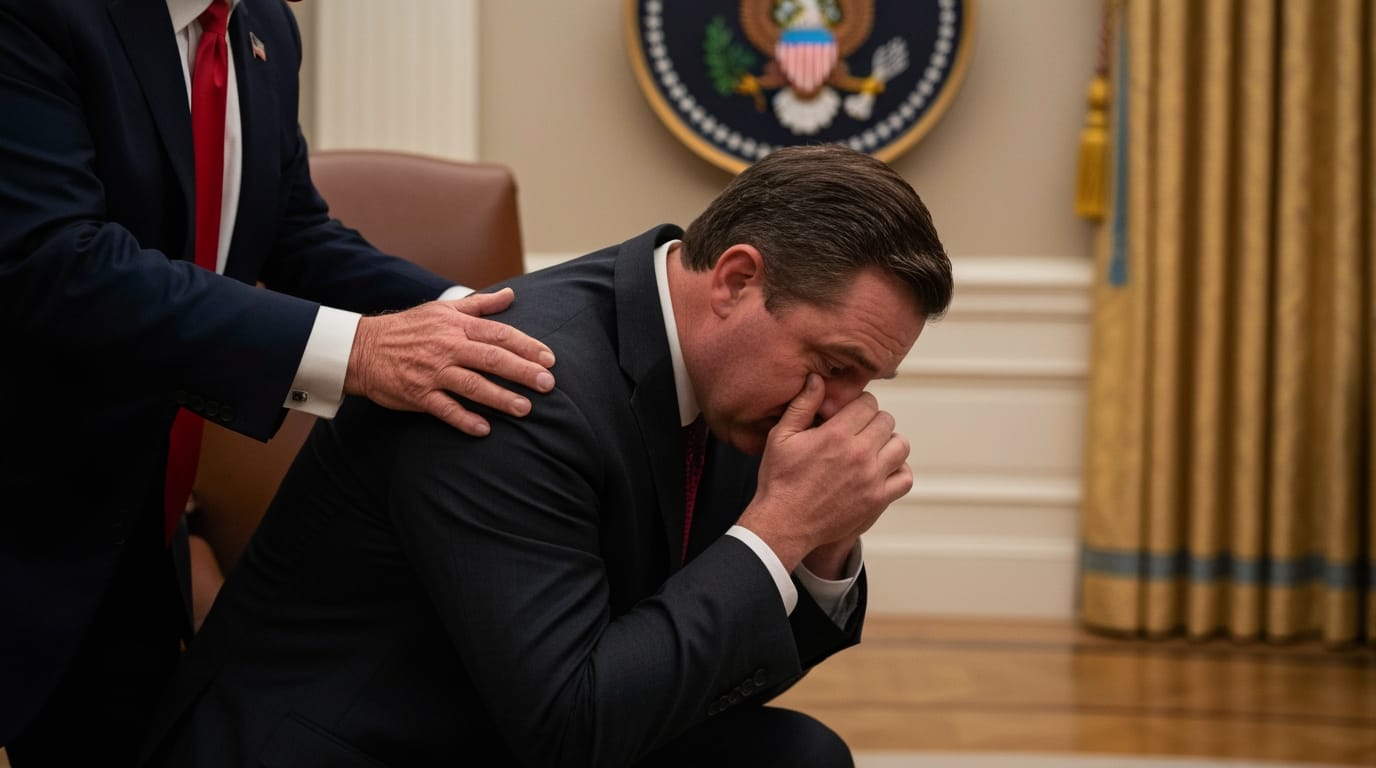
WASHINGTON D.C. — In a move that has sparked immediate debate, former President Donald Trump on Friday issued pardons to 11 individuals, a significant number of whom had been convicted of violating the Clean Air Act by tampering with vehicle emissions control systems. The former president, announcing some of the clemency actions via social media, characterized the recipients as victims of a "weaponized Justice Department" and "persecution by the Biden Administration" for offenses he broadly described as "fixing their car." The pardons underscore a continuing pattern of the former president using his executive clemency powers to overturn convictions and sentences, particularly those involving individuals he views as unjustly targeted or politically aligned.
The Pardons Unveiled: A Focus on Emissions Offenses
While the White House initially released limited details, subsequent reports confirmed that the slate of 11 pardons heavily featured cases related to federal environmental regulations. At least nine of the 11 individuals granted clemency were convicted of charges stemming from violations of the Clean Air Act, a comprehensive federal law designed to reduce emissions and improve air quality.
Among those specifically identified as receiving pardons for such offenses were Ryan and Wade Lalone, Matt Geouge, Tim Clancy, Mac Spurlock, Joshua Davis, Barry Pierce, and Aaron Rudolf. Their convictions typically involved the modification or disabling of emissions control equipment on vehicles, primarily diesel engines or semi-trucks, and in some instances, the sale of "defeat devices" designed to bypass these pollution controls. For example, Matt Geouge had been sentenced for conspiracy to violate the Clean Air Act by selling such defeat devices, in addition to a conviction for tax evasion. Joshua Davis, who was reportedly on probation, had been part of a settlement with the Environmental Protection Agency (EPA) that required him and several businesses to stop manufacturing and selling devices that bypass emission controls.
The other individuals pardoned included Adam Kidan, a former business partner of disgraced lobbyist Jack Abramoff, who had been sentenced for wire fraud. The specific details surrounding the remaining pardons and their connection to environmental or other offenses were less immediately clear, though the overwhelming emphasis remained on the Clean Air Act cases.
A Consistent Narrative: "Weaponization and Stupidity"
President Trump's public statements accompanying these pardons echoed a familiar narrative employed throughout his presidency and recent political campaigns. In a post on Truth Social, he declared, "It is my Great Honor to have just signed Pardons for six people who were persecuted by the Biden Administration, and were in, or being sent to, prison, for 'fixing their car.'" He further asserted that these cases represented an act of "weaponization and stupidity" by federal prosecutors and proclaimed, "I AM SETTING THEM ALL FREE, RIGHT NOW!"
This sentiment aligns with actions taken earlier in his administration. In the months prior to these pardons, the Justice Department had directed federal prosecutors to halt criminal investigations and abandon pending cases related to "defeat devices." This directive effectively signaled a shift in enforcement priorities regarding certain environmental violations. Furthermore, the former president had previously granted clemency to Troy Lake, a Wyoming mechanic who served seven months in prison for similar federal emissions law violations for disabling air pollution control equipment on diesel engines. Lake's case gained public attention with advocacy from Wyoming Senator Cynthia Lummis, who portrayed his prosecution as an example of a "weaponized Biden Justice Department" targeting hardworking Americans. This prior action set a precedent for the broader round of pardons announced Friday.
The former president's approach to clemency has been notably personal and politically charged, often bypassing the traditional review process typically conducted by the Justice Department's Office of the Pardon Attorney. Instead, his decisions have frequently benefited political allies, campaign donors, and individuals whose cases resonate with his broader political messaging.
Environmental Safeguards and Executive Power
The Clean Air Act, enacted in 1970 and subsequently amended, serves as the cornerstone of federal efforts to control air pollution. It mandates national air quality standards and regulates emissions from stationary and mobile sources, including vehicle engines. Violations, such as those involving defeat devices, are prosecuted because they undermine these standards, leading to increased release of harmful pollutants into the atmosphere. The EPA and the Justice Department have historically pursued these cases to ensure compliance and protect public health and the environment.
However, the recent pardons have raised questions about the future of environmental enforcement and the integrity of federal regulations. Critics argue that such clemency actions could create a perception that environmental laws can be sidestepped with political connections, potentially encouraging further violations. The decision to pardon individuals convicted of undermining emissions controls, particularly after the Justice Department's earlier directive to scale back such prosecutions, sends a complex signal regarding the administration's commitment to clean air initiatives.
Legal scholars and environmental advocates have often expressed concern about the politicization of presidential pardons, particularly when they appear to circumvent established legal processes or undermine legislative intent. The exercise of such broad executive power, while constitutionally granted, can have far-reaching implications for the regulatory landscape and the public's trust in fair and consistent application of the law. The pardons also contribute to a growing body of clemency actions by the former president that have been characterized by critics as benefiting those with personal or political ties, rather than following criteria of rehabilitation or compelling injustice typically considered in traditional pardon reviews.
Conclusion: A Precedent for Future Environmental Enforcement
The pardons issued by former President Trump on Friday mark a significant moment in the ongoing national discourse surrounding executive power, environmental policy, and the enforcement of federal law. By granting clemency to individuals convicted of Clean Air Act violations, the former president has reinforced his view that certain prosecutions are politically motivated overreach, while simultaneously raising concerns among environmental groups and legal observers.
This latest round of pardons, many targeting those who circumvented emissions regulations, could establish a precedent that impacts future environmental enforcement efforts. It highlights the tension between executive discretion and the consistent application of federal statutes, particularly in areas as critical as public health and environmental protection. As the ramifications of these clemency decisions continue to unfold, they will undoubtedly contribute to broader discussions about the balance of power, judicial independence, and the nation's commitment to its environmental goals.


