Trump Orders Federal Agencies to Rename Artificial Intelligence
The federal rebranding seeks to reshape public perceptions of automation while tech companies face mounting scrutiny over the risks of unchecked technological development.
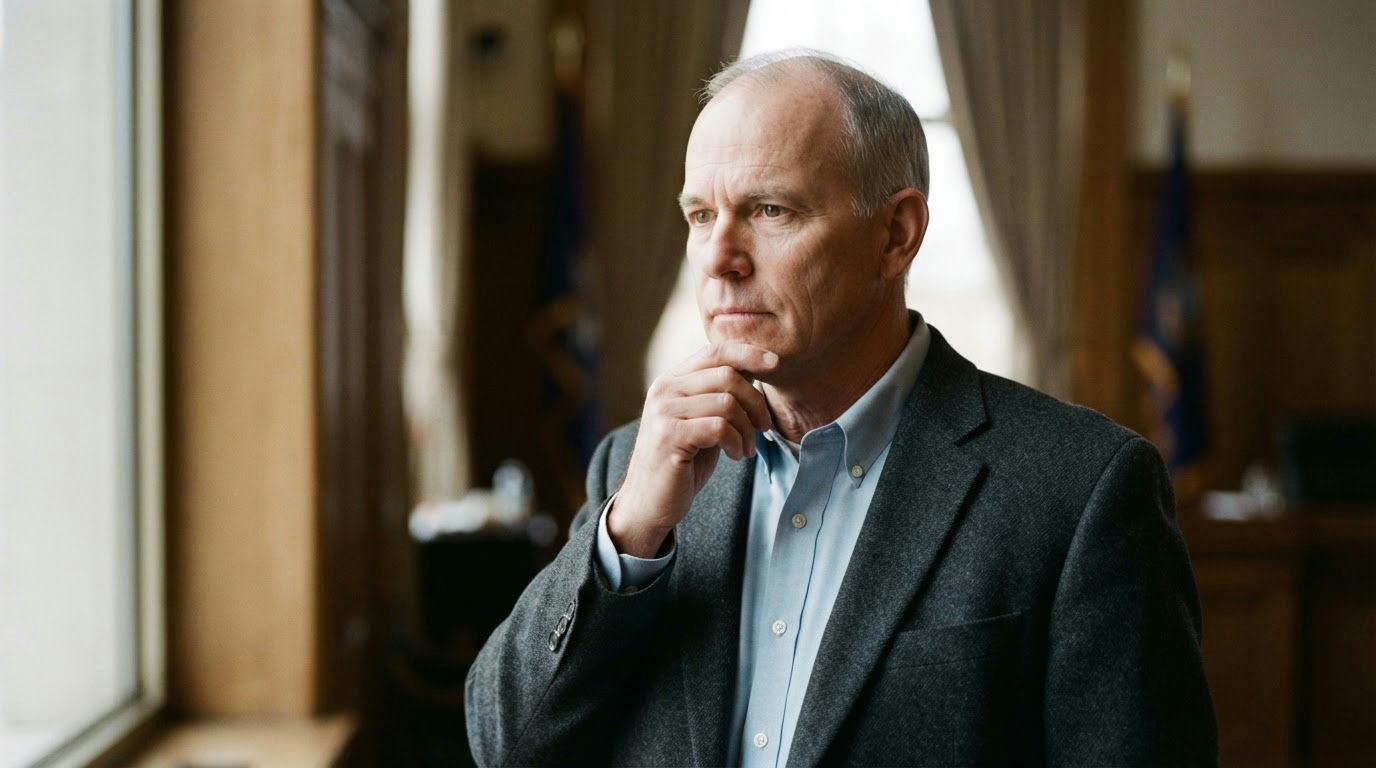
U.S. President Donald Trump signed an executive order in Washington on Tuesday directing federal agencies to drop the term artificial intelligence and use super intelligence instead. The directive applies across the executive branch to official correspondence, government websites, policy reports and public communications.
Trump announced the measure alongside technology industry executives at the White House. He stated that the traditional label sounded misleading because modern software tools do not merely imitate human reasoning. The president argued that current systems demonstrate capabilities that justify the revised designation of super intelligence, or SI.
The policy requires departments to omit references to artificial intelligence in new documents, though previously completed contracts, historical archives and existing rules will remain unchanged. A White House fact sheet said the shift aims to focus federal programs on expanding automated tools rather than restricting development.
Technology researchers and commercial developers generally use the phrase artificial superintelligence to describe hypothetical future systems that exceed human capabilities across every domain. By contrast, current models remain classified throughout the scientific community as artificial intelligence. Outside analysts observed that private firms and global laboratories have little operational incentive to abandon standard technical terminology established over decades.
The directive coincided with the announcement of the White House Accord on Super Intelligence. Top executives from Amazon, Google, Meta, Microsoft, Nvidia and OpenAI joined the president to support the document. The text asks developers to establish internal safety reviews, monitor algorithmic risks and conduct audits. Trump described the accord as a morally binding compact that relies on industry self-policing rather than statutory restrictions.
Public polling indicates widespread domestic concern over automated systems, data center expansion and workforce disruption. The administration maintains that deregulation remains necessary to prevent foreign competitors from outpacing American innovation.
The executive order requires the presidential science adviser to draft statutory proposals within two months to standardize the new terminology across federal law.