Trump Threatens to Abandon Ukraine Peace Talks if Progress Stalls
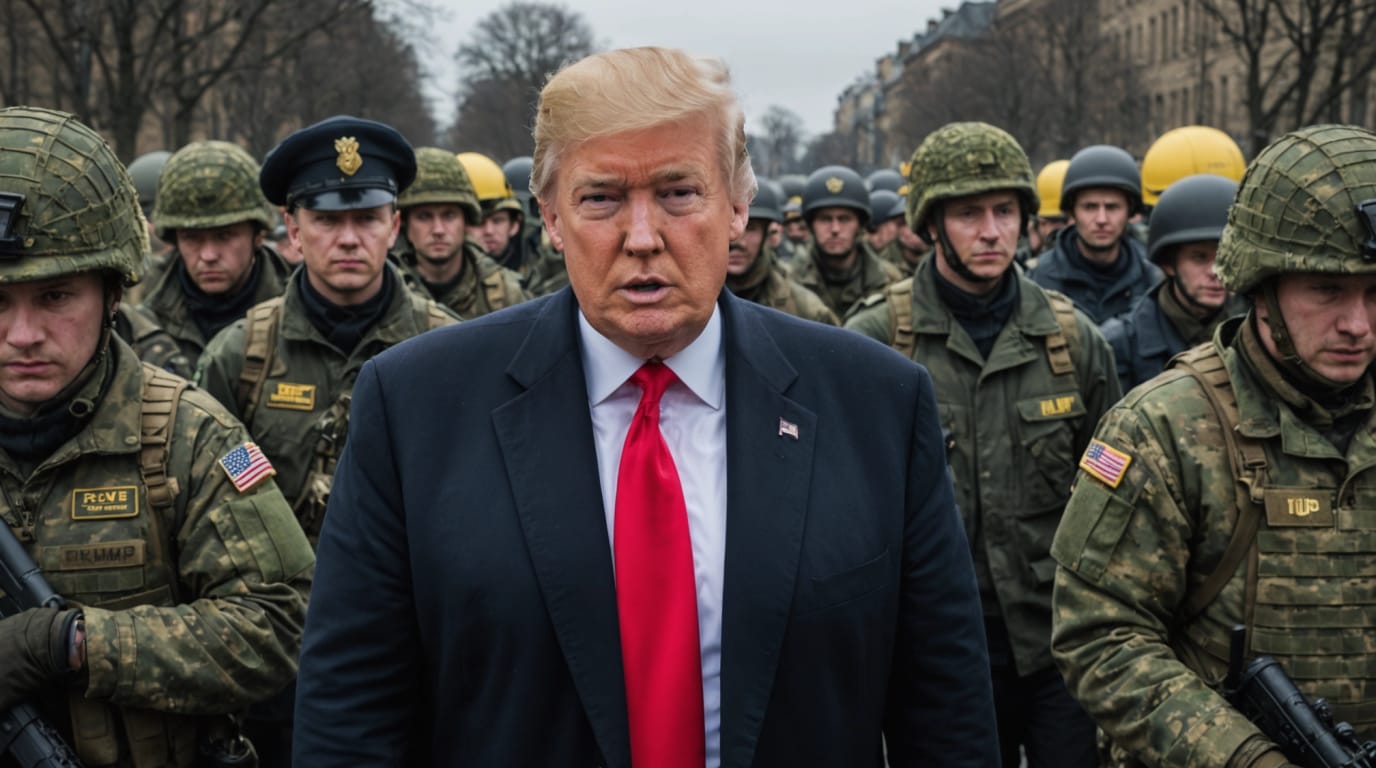
President Donald Trump declared Friday that the United States is prepared to withdraw from facilitating peace negotiations between Russia and Ukraine if either side proves to be an impediment to progress. The announcement underscores the administration's growing impatience with the protracted conflict and its desire for a swift resolution, a key promise from Trump's election campaign.
Impatience Grows as Ceasefire Falters
Trump, speaking at a press conference from the Oval Office, reiterated his commitment to resolving the war in Ukraine quickly, a goal his administration has pursued since taking office. However, the potential ceasefire between the two nations has largely collapsed following Russia's renewed offensive.
"If for some reason one of the two parties makes it very difficult, we're just going to say, 'you're foolish, you're fools, you're horrible people,' and we're going to take a pass," Trump told reporters, signaling a potential end to U.S. mediation efforts.
Secretary of State Marco Rubio echoed this sentiment earlier Friday, stating that the administration is nearing a decision point on whether both sides genuinely desire a deal. "I'm talking about a matter of days, whether or not this is doable over the next few weeks," Rubio said while in Paris coordinating with allies. "If it is, we're in. If it's not, then we have other priorities to focus on."
No Commitment to Continued Military Support
Adding to the uncertainty, Trump avoided committing to continued U.S. military support for Ukraine should peace talks fail. "I'm not going to say that, because I think we're gonna get it done," Trump stated, maintaining an optimistic tone despite the challenges.
This reluctance to guarantee further military aid raises concerns about the future of U.S. involvement in the region and its commitment to Ukraine's defense. The U.S. has already invested billions of dollars in supporting Ukraine, but the administration appears to be weighing its options as the conflict drags on.
Differing Views Within the Administration
Reports indicate differing viewpoints within the Trump administration regarding the approach to Russia. While Rubio and Special Envoy for Ukraine Keith Kellogg have reportedly advocated for a tougher stance toward Moscow, Special Envoy for the Middle East Steve Witkoff favors a rapprochement with Russia.
Tensions between Washington and Kyiv reportedly escalated recently after Ukrainian President Volodymyr Zelensky accused Witkoff of spreading Russian propaganda following a meeting with Russian President Vladimir Putin.
Ukraine Minerals Deal as Potential "Repayment"
Amidst the diplomatic maneuvering, the United States and Ukraine signed a memorandum of intent on Friday for a new minerals and rare earths partnership. Ukrainian Minister for the Economy hailed the agreement as paving the way for further U.S. military aid.
The agreement, expected to be finalized next week, would allow the U.S. to profit from rare minerals extracted from Ukrainian soil in exchange for continued defense support. The Trump administration has characterized the deal as a form of "repayment" for the financial and military assistance already provided to Ukraine.
Looming Deadline and Uncertain Future
With the Trump administration signaling a potential withdrawal from peace talks, the coming days appear critical for the future of the Russia-Ukraine conflict. The U.S. has not released specifics of the proposed deal, but both Rubio and Trump have emphasized that Washington may abandon its efforts if there is no swift progress in diplomacy.
The possibility of the U.S. stepping back raises questions about the future of the conflict and the potential for further escalation. Without U.S. mediation, the path to peace becomes even more uncertain, leaving the region bracing for what may come next.


