Trump's Assertions on Iran, Oil, and Economy Face Scrutiny Amidst Global Volatility
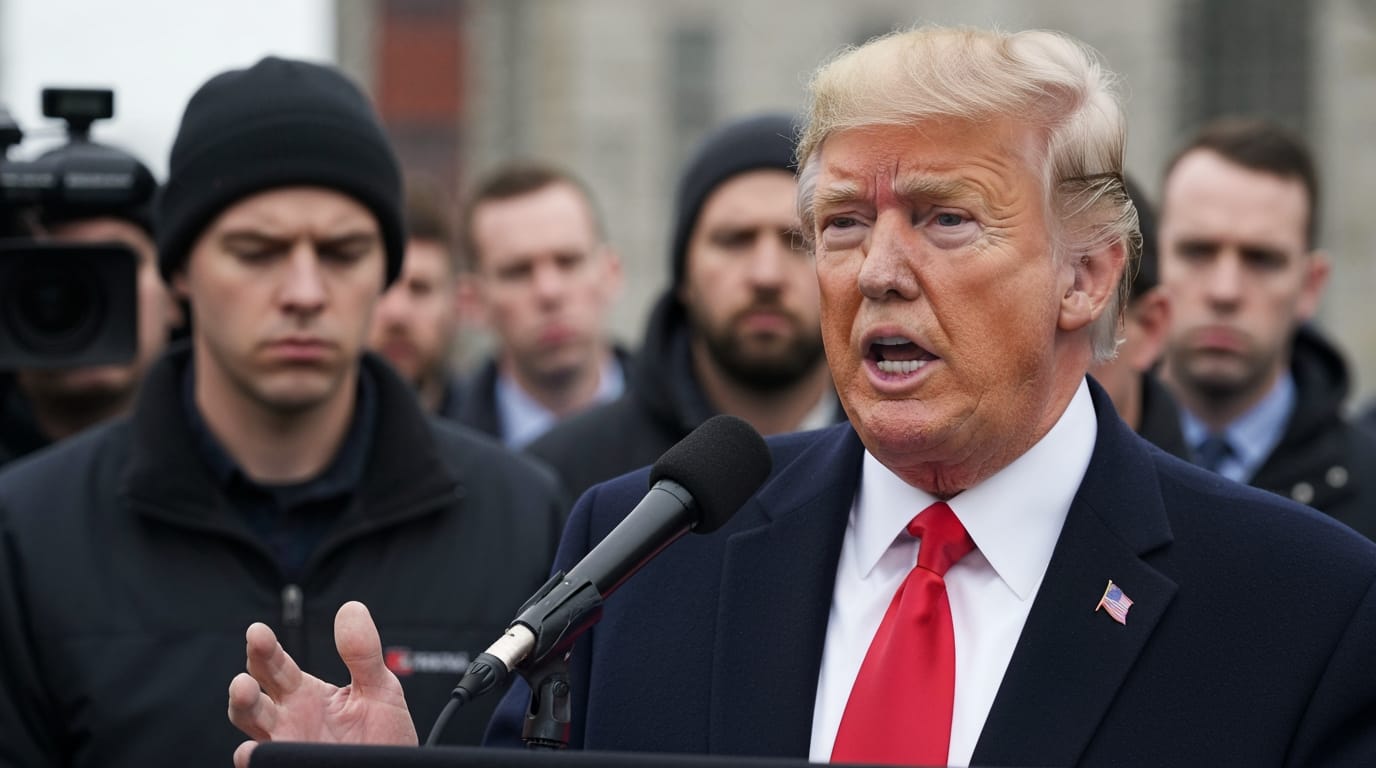
Former President Donald Trump recently delivered a televised address, offering a comprehensive but fact-checked perspective on the ongoing conflict with Iran, global oil markets, and the state of the U.S. economy. His remarks, delivered on April 1 and 2, 2026, underscored his vision for American foreign policy and domestic prosperity, yet prompted immediate scrutiny from fact-checkers and volatile reactions in international markets. The address came at a critical juncture, with the Middle East conflict entering its fifth week and global economies grappling with energy disruptions and inflationary pressures.
Escalating Rhetoric and Reality in Iran Policy
In his recent address, former President Trump declared that U.S. military objectives in the Iran conflict were "nearing completion" and vowed to intensify operations over the next "two to three weeks" to "finish the job." He issued stark warnings, threatening to hit Iran "extremely hard" and bring the nation "back to the Stone Ages" if negotiations failed to yield desired outcomes. Trump also asserted that "regime change has occurred" in Iran due to the deaths of its leaders, a claim quickly fact-checked as inaccurate. While Ayatollah Ali Khamenei was reportedly killed in an Israeli airstrike, his son, Mojtaba Khamenei, has been installed as the new Supreme Leader, indicating that Iran's government remains firmly under hardliner control.
The former President also claimed that the U.S. had "decimated" Iran's navy, drone, and ballistic missile forces. He called upon U.S. allies to assume responsibility for reopening the Strait of Hormuz, a crucial oil shipping route significantly disrupted by the conflict. Furthermore, Trump claimed Iran had requested a ceasefire, a claim swiftly denied by Tehran, which maintained that the strait remains under its control. The address also touched on broader alliances, with Trump criticizing NATO member states for what he perceived as insufficient support in the conflict and threatening to reconsider the U.S. role in the alliance. Despite the strong rhetoric, Trump did not offer a concrete timeline for ending the ongoing hostilities, leaving investors and international observers without a clear path forward.
Oil Markets Grapple with Strait of Hormuz Closure
A significant portion of Trump's address focused on the global energy landscape, particularly the impact of the Strait of Hormuz closure. He asserted that the effective shutdown of the waterway "doesn't really affect" the United States in the same way it impacts "other countries," largely due to the U.S.'s status as a major oil producer and its reduced reliance on imports from the Persian Gulf. Trump went further, suggesting that higher oil prices were a positive development for the U.S. economy, stating, "when oil prices go up, we make a lot of money".
However, this narrative faced immediate counterpoints from energy analysts and market realities. While the U.S. does import a small percentage of its oil from the Persian Gulf, the global nature of oil markets means that disruptions anywhere affect prices everywhere. The closure of the Strait of Hormuz has led to double-digit percentage increases in global oil prices and a significant spike in gasoline prices across the U.S.. Abhi Rajendran, director of Oil Markets Research at Energy Intelligence, explained that while the U.S. might be "insulated" in terms of finding supply, "prices are global, so prices go up anyway." The U.S. also relies on specific types of crude oil that domestic production cannot fully provide, necessitating imports for its refineries, even as it exports lighter crude. Following Trump's April 2nd speech, oil prices surged, with Brent crude reaching $108.15 and West Texas Intermediate hitting $106.75, as investors reacted to the perceived "unfinished business" of the conflict and the likelihood of prolonged disruption to global oil supplies.
Economic Narratives and Emerging Concerns
Regarding the U.S. economy, former President Trump presented a narrative of significant turnaround during his previous term. He controversially claimed that the economy he inherited was "a dead and crippled country" before his administration took office. This assertion stands in contrast to readily available economic data, which indicates that the U.S. economy was experiencing healthy growth prior to his presidency. Furthermore, Trump's claims regarding the amount of foreign investment that flowed into the U.S. during his time in office were also widely overstated, according to fact-checkers.
Current economic indicators also provide important context. The U.S. economy experienced a 2.8% growth rate in 2024, the final year of the Biden administration, demonstrating continued healthy expansion. However, Trump's recent threats against Iran and the prospect of prolonged oil supply disruptions have introduced new economic anxieties. Analysts are increasingly voicing concerns about the potential for "stagflation"—a challenging economic scenario characterized by high inflation coupled with weak growth. This combination, already a concern in March, could be exacerbated by the ongoing conflict and its impact on energy costs, prompting global markets to recoil and stocks to tumble in the wake of Trump's latest address. The lack of a clear resolution to the conflict has left investors jittery, exiting positions and heightening market volatility, as the full macroeconomic implications of the conflict remain uncertain.
Navigating a Landscape of Claims and Consequences
Former President Trump's recent statements have provided a detailed, if contentious, overview of his perspectives on critical international and domestic issues. His assertive stance on the Iran conflict, including claims of military success and calls for allied action, presents a strong policy position but deviates from factual accounts regarding "regime change" and Iran's stated intentions. Similarly, his characterization of the U.S. economy and its insulation from global oil disruptions offers a perspective that clashes with expert analyses and market realities, which reflect significant global price impacts and the potential for stagflation. The immediate market volatility following his address underscores the profound influence of such pronouncements on global financial systems and the delicate balance of international relations. In an era marked by complex geopolitical challenges and economic uncertainties, the ongoing scrutiny of political rhetoric against verified facts remains crucial for public understanding and informed decision-making.


