Trump's Tariff Gamble: Will It Pay Off or Backfire?
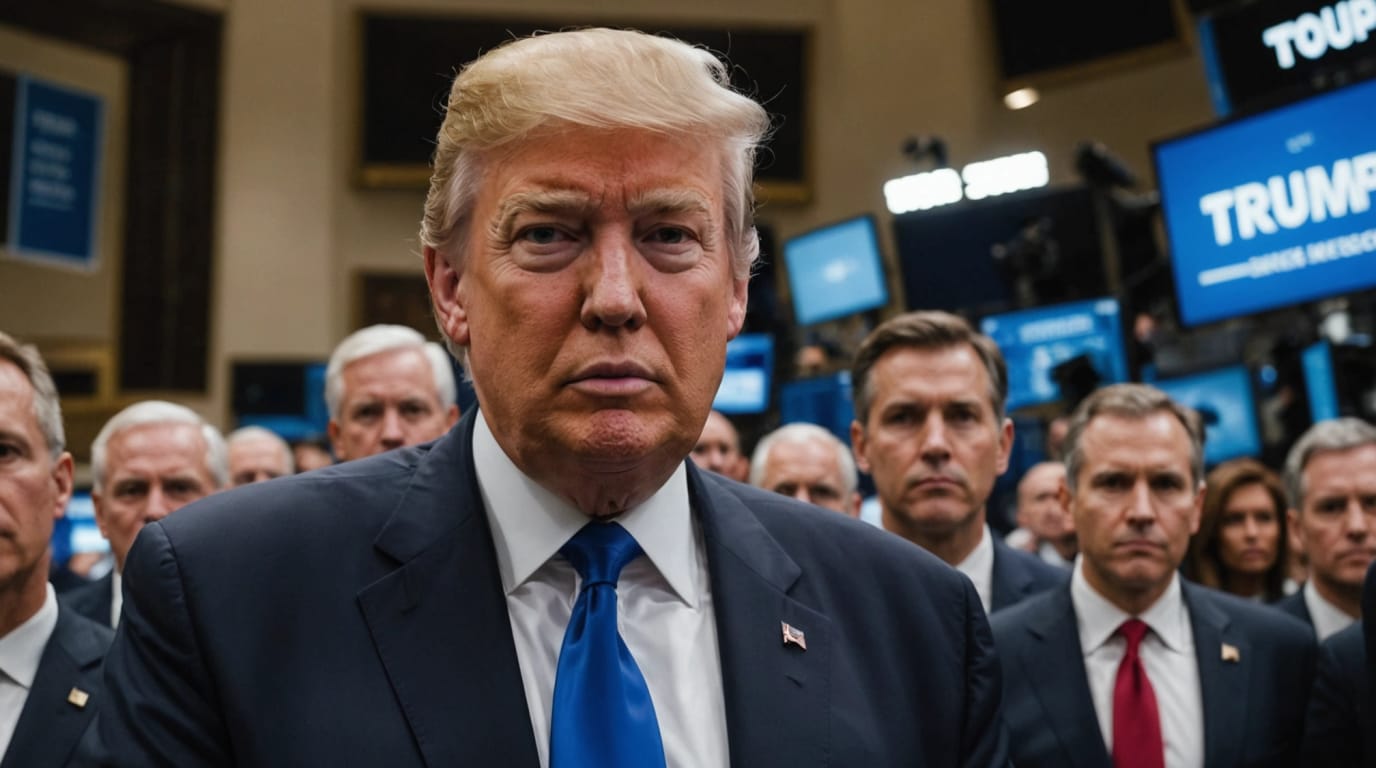
President Donald Trump is moving forward with a series of aggressive tariffs in what he views as an economic strategy to revitalize American manufacturing, pressure foreign governments, and generate revenue. However, economists and businesses are sounding the alarm, warning that these measures could trigger a trade war, raise consumer prices, and ultimately harm the U.S. economy. As the tariffs take effect, the question remains: will Trump's gamble pay off, or will it backfire, leading to economic disruption and increased costs for American consumers?
Sweeping Tariffs Imposed
Effective today, March 4, 2025, the U.S. is imposing a 25% tariff on imports from Canada and Mexico, as well as increasing tariffs on Chinese goods from 10% to 20%. These tariffs, initially announced in February, cover a wide range of goods, impacting key sectors such as automotive, agriculture, and manufacturing. Trump has also announced plans to impose tariffs on the European Union and has already reinstated a 25% tariff on steel imports while increasing tariffs on aluminum imports to 25%. These actions follow through on campaign promises to use tariffs as a tool to reshape international trade and bring jobs back to the United States.
The Trump administration justifies these tariffs as a necessary step to address unfair trade practices, protect domestic industries, and ensure reciprocal treatment from trading partners. A White House fact sheet released in February outlined a "Fair and Reciprocal Plan" aimed at correcting longstanding imbalances in international trade. The administration argues that the U.S. has been taken advantage of for too long, with other countries maintaining closed markets while enjoying access to the American market.
Economic Fallout and Market Reaction
The announcement of these tariffs has already sent shockwaves through financial markets. On Monday, March 3, 2025, the S&P 500 index tumbled 1.8%, marking its biggest one-day decline this year. The tech-heavy Nasdaq composite index shed 2.6%, while the Dow Jones Industrial Average fell 1.5%. Automaker stocks were particularly hard hit, with General Motors declining 4% and Ford down 1.7%.
Economists are expressing concerns about the potential for increased inflation and economic disruption. Tariffs, which are essentially taxes on imports, are typically paid by U.S. importers, who then pass those costs on to consumers through higher prices. This could undermine Trump's pledge to eliminate the inflation that plagued the Biden administration. The Federal Reserve Bank of Atlanta is forecasting an economic contraction in the first quarter, with gross domestic product projected to decline an annualized 2.8%.
Warren Buffett, the billionaire investor and CEO of Berkshire Hathaway, has weighed in on the potential fallout, calling tariffs "an act of war, to some degree." He warned that tariffs function as a tax on goods, ultimately leading to higher prices for consumers.
Winners and Losers
While the Trump administration argues that tariffs will benefit American manufacturers and workers, the reality is more complex. Some industries may see a boost from reduced competition, while others will face higher costs and disrupted supply chains.
Potential Winners:
- Domestic Producers: Industries like steel and aluminum production could benefit from reduced competition from foreign imports.
- Off-Price Retailers and Secondhand Apparel Companies: These businesses may be able to capitalize on the higher prices of new goods caused by tariffs.
- American Beer Companies: They could see a boost as imported beers become more expensive.
Potential Losers:
- Consumers: Higher prices for imported goods will likely lead to reduced consumer spending and slower economic growth.
- Automakers: Tariffs on imported auto parts and vehicles could drive up car prices by thousands of dollars.
- Retailers: Big-box chains are warning that higher import costs could squeeze margins and force price hikes on consumers.
- Farmers: Retaliatory tariffs from other countries could hurt American agricultural exports.
International Relations and Retaliation
Trump's tariff policies are also straining relationships with key trading partners. Canada and Mexico, which together account for nearly half of all U.S. imports, are likely to retaliate with their own tariffs, escalating a trade war. China has already vowed to retaliate in response to increased tariffs on its goods.
The European Union has also expressed concern and is considering its options. A trade war with multiple countries could have a significant impact on the global economy, disrupting supply chains and reducing international trade.
Long-Term Implications
The long-term implications of Trump's tariff gamble are uncertain. While the administration hopes to revitalize American manufacturing and reduce trade deficits, the tariffs could also lead to:
- Reduced GDP: The Tax Foundation estimates that the 2018-2019 trade war tariffs imposed by Trump and retained by Biden reduce long-run GDP by 0.2 percent.
- Job Losses: The same study estimates that the tariffs reduce employment by 142,000 full-time equivalent jobs.
- Increased Economic Uncertainty: Tariffs can disrupt supply chains and raise production costs for businesses, leading to market volatility.
Conclusion
President Trump's decision to impose sweeping tariffs is a high-stakes gamble with the potential for both significant rewards and devastating consequences. While the administration argues that these measures are necessary to protect American interests and level the playing field in international trade, economists and businesses warn that they could trigger a trade war, raise consumer prices, and harm the U.S. economy. As the tariffs take effect, it remains to be seen whether Trump's gamble will pay off or backfire, leaving American consumers and businesses to bear the cost.