Trump's Tariffs: A Test of US Trade Law and Global Order
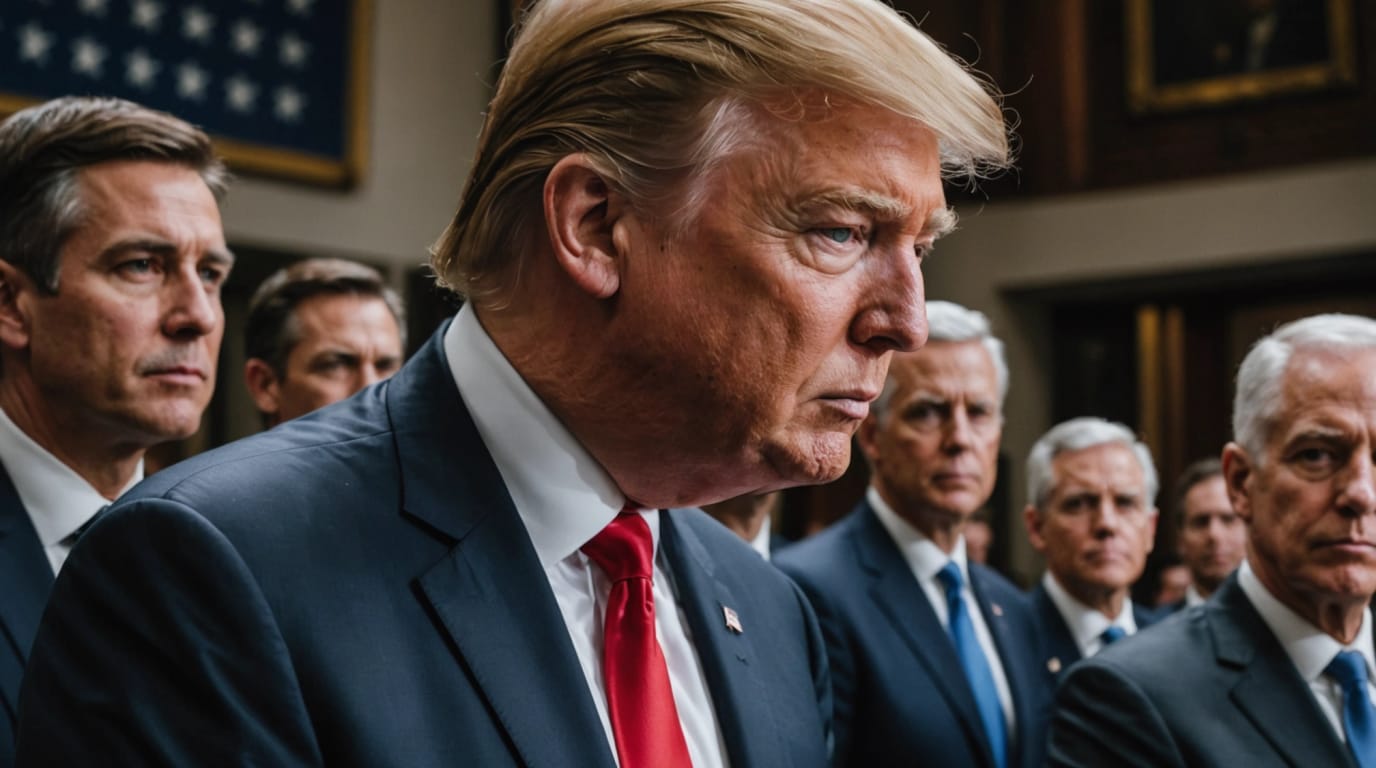
President Donald Trump's imposition of tariffs during his first term and now again in 2025 has ignited a global debate over the legality and economic consequences of such actions. These tariffs, often justified on national security grounds or as leverage in trade negotiations, have been met with both domestic criticism and international retaliation, raising questions about the future of the global trading system.
The Legal Basis for US Tariffs
The U.S. Constitution grants Congress the power to levy tariffs, but this power has been partially delegated to the President over time. Several laws allow the executive branch to impose tariffs under certain conditions.
- Section 232 of the Trade Expansion Act of 1962: This allows the President to impose tariffs on imports that threaten national security, without congressional approval, following a Department of Commerce investigation. President Trump used this to impose tariffs on steel and aluminum imports in 2018.
- Section 301 of the Trade Act of 1974: This allows the President to take action, including imposing tariffs, against countries that engage in unfair trade practices.
- International Emergency Economic Powers Act (IEEPA): This grants the President broad authority over economic transactions in response to "any unusual and extraordinary threat" from foreign sources. President Trump invoked this to justify tariffs on goods from Mexico, Canada, and China, citing the threat of illegal immigration and drug trafficking.
- Section 338 of the Tariff Act of 1930: This law allows the President to unilaterally raise tariffs up to 50% if the U.S. International Trade Commission finds that a foreign country has discriminated against U.S. commerce.
The legality of Trump's tariffs has been challenged, particularly his use of IEEPA, with some experts arguing that it stretches the law's intent. However, successfully blocking the tariffs in court has proven difficult.
International Reactions and Trade Disputes
Trump's tariffs have been met with strong reactions from the international community. Countries like Canada, Mexico, and China have retaliated with their own tariffs on U.S. goods, leading to trade disputes and escalating tensions.
The European Union also responded to Trump's steel and aluminum tariffs with a three-pronged approach, including launching safeguard investigations and challenging the U.S. tariffs before the World Trade Organization (WTO).
These retaliatory measures and trade disputes have raised concerns about the stability of the global trading system and the potential for a full-blown trade war.
The Role of the World Trade Organization
The WTO is the primary international body responsible for regulating global trade and resolving trade disputes between member countries. However, the Trump administration has criticized the WTO and taken actions that have weakened its dispute settlement system.
Specifically, the Trump administration ended the WTO dispute settlement system in 2019 due to American discontent with how WTO litigation curtailed US access to trade remedies. This has paralyzed the WTO's ability to act as an effective arbiter in trade disputes, as any appeals to rulings are impossible without a functioning appellate body.
Some experts believe that Trump's reciprocal tariff policy and his administration's actions towards the WTO could undermine the foundations of the global trading system.
Economic Impacts of Tariffs
The economic effects of tariffs are a subject of ongoing debate. While tariffs can generate revenue for the government and protect certain domestic industries, they can also have negative consequences for the broader economy.
- Increased costs for consumers and businesses: Tariffs are essentially taxes on imported goods, which can lead to higher prices for consumers and increased costs for businesses that rely on imported inputs.
- Disrupted supply chains: Tariffs can disrupt supply chains, making it more difficult and expensive for businesses to produce and sell their goods.
- Reduced economic growth: Multiple analyses suggest that tariffs can reduce overall economic growth by decreasing trade and investment.
- Job losses: Some studies have found that tariffs can lead to job losses, particularly in industries that rely on exports or imported inputs.
For example, tariffs imposed on China during the 2018-2019 trade war have been estimated to reduce long-run U.S. GDP, capital stock, and employment.
Alternative Perspectives
While many economists and trade experts have criticized Trump's tariffs, some argue that they can be a useful tool for achieving specific policy goals.
- Negotiating leverage: Tariffs can be used as leverage in trade negotiations to pressure other countries to change their trade practices.
- National security: Tariffs can be justified on national security grounds to protect domestic industries that are deemed essential for defense or critical infrastructure.
- Addressing unfair trade practices: Tariffs can be used to counter unfair trade practices, such as dumping or subsidies, that harm domestic industries.
However, even proponents of tariffs acknowledge that they should be used judiciously and strategically, and that their potential costs and benefits should be carefully considered.
Conclusion
President Trump's tariffs have sparked a complex debate about the role of trade in the U.S. economy and the country's relationship with the global trading system. While the legal basis for these tariffs remains a subject of contention, their economic consequences and impact on international relations are undeniable. As the U.S. navigates its trade policy in the years to come, it will be crucial to consider the lessons learned from the Trump era and to strike a balance between protecting domestic interests and upholding the principles of a rules-based global order. The future of trade will depend on finding common ground and fostering cooperation among nations, rather than resorting to unilateral measures that can undermine the stability and prosperity of the world economy.