Trump's Tariffs on Canada, Mexico Spark Trade War Fears, Inflation Concerns
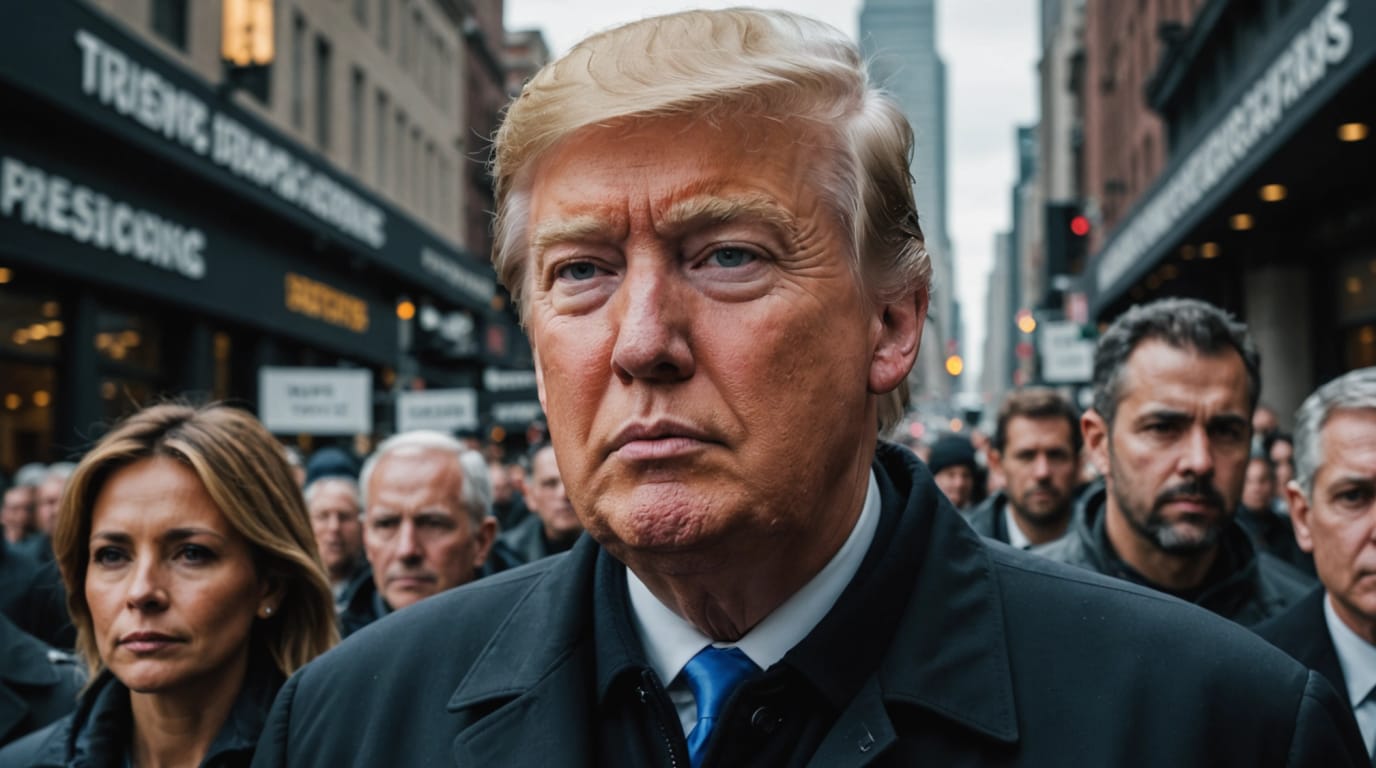
President Donald Trump's decision to impose tariffs on imports from Canada and Mexico has ignited fears of a full-blown trade war and stoked concerns about rising inflation, casting a shadow over the North American economy. The tariffs, which went into effect Tuesday, threaten to disrupt established trade relationships and raise costs for businesses and consumers alike.
Tariffs Take Effect
Starting Tuesday, imports from Canada and Mexico are subject to a 25% tariff. In addition, the 10% tariff on Chinese imports, initially imposed in February, has been doubled to 20%. Trump has defended the tariffs as a necessary tool to protect American industries, combat illegal immigration, and address trade imbalances. He has also expressed a desire to encourage more factories to relocate to the United States.
Retaliation and Market Reaction
Canada has already announced retaliatory tariffs on over $100 billion worth of American goods, to be implemented over the next 21 days. Mexico and China have not yet detailed specific countermeasures, but are expected to respond in kind. The announcement of the tariffs sent shockwaves through financial markets. On Monday, the S&P 500 index fell by 2%. Automaker stocks were particularly affected, with General Motors and Ford declining due to their manufacturing dependencies in Mexico. The Mexican peso and Canadian dollar also weakened in response to the news.
Economic Implications
Economists are raising alarms about the potential economic consequences of the tariffs. Concerns center on the prospect of higher inflation, disruptions to supply chains, and reduced economic growth. Several economists have warned that the tariffs could push the U.S. into a recession. According to one estimate, tariffs on Canada and Mexico could increase inflation in the U.S. by 1.1% to 1.4%, with additional tariffs on China adding another 0.7%. Warren Buffett has characterized tariffs as "an act of war, to some degree," warning that they function as a tax on goods, ultimately leading to higher prices for consumers.
Political Ramifications
Trump's decision to impose tariffs has drawn criticism from both sides of the political spectrum. Some Republicans have expressed concern about the potential damage to the economy, while Democrats have accused Trump of reckless economic policies. The tariffs have also strained relationships with key allies, including Canada and Mexico, with whom the U.S. has deep economic and security ties. Despite the widespread criticism, the Trump administration remains confident that tariffs are the best way to boost U.S. manufacturing and attract foreign investment. Commerce Secretary Howard Lutnick has cited the computer chipmaker TSMC's expanded investment in the United States as evidence that tariffs can be effective.
Impact on Consumers
Ultimately, the cost of the tariffs is likely to be borne by consumers in the form of higher prices for goods and services. Tariffs increase the cost of imported goods, which can lead to higher prices for everything from cars and electronics to food and clothing. The tariffs could also lead to job losses in industries that rely on imported goods, such as manufacturing and retail. The impact on consumers could be particularly severe for low-income households, who spend a larger share of their income on essential goods.
The imposition of tariffs on Canada and Mexico marks a significant escalation in global trade tensions. While the Trump administration argues that tariffs are necessary to protect American interests, critics warn that they could lead to a trade war, higher inflation, and slower economic growth. The long-term consequences of the tariffs remain uncertain, but they are likely to have a significant impact on businesses, consumers, and the global economy.