Turkey Launches Sweeping Anti-Terror Operation, Detains 357 Following Deadly Clashes with Islamic State
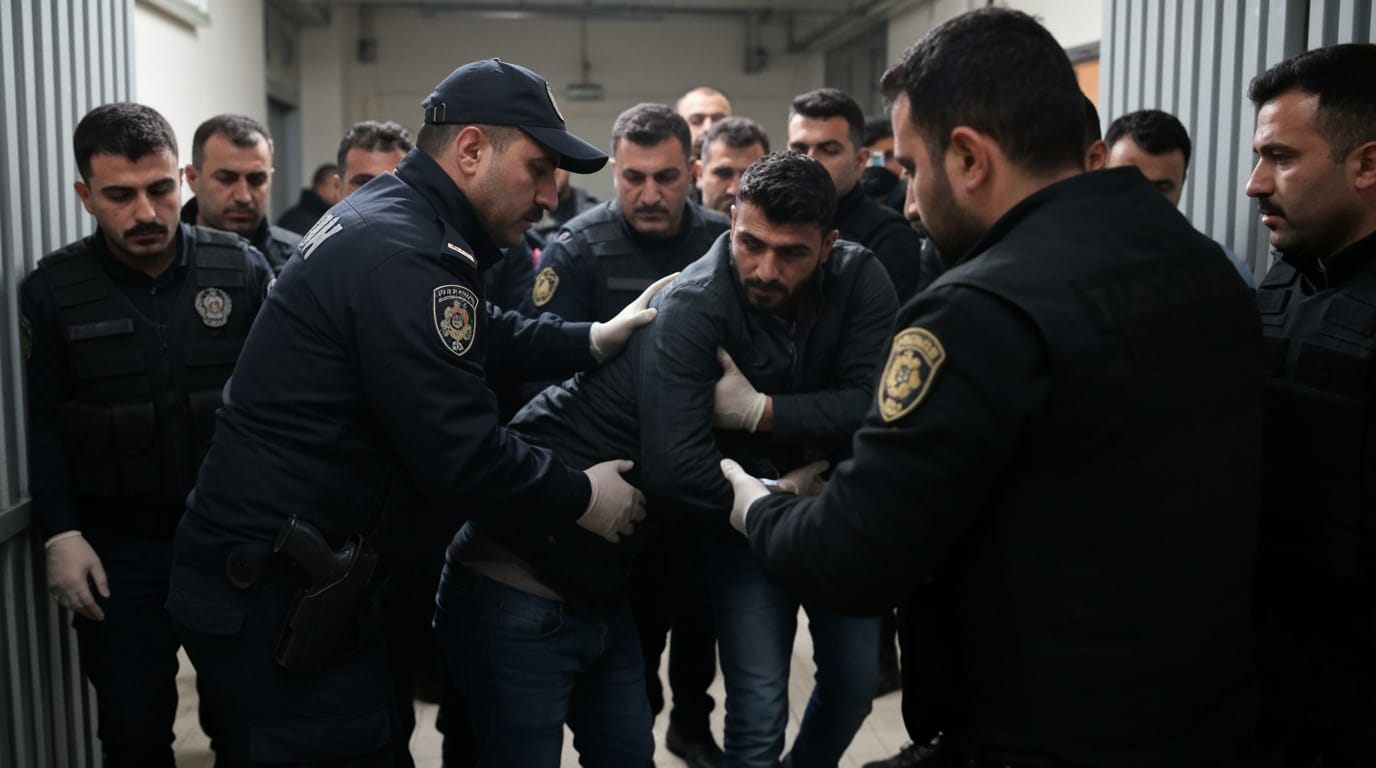
Ankara, Turkey – Turkish authorities have launched a massive counter-terrorism operation, apprehending 357 individuals suspected of links to the Islamic State (IS) group in a nationwide crackdown that spanned 21 provinces. The large-scale detentions on Tuesday, December 30, 2025, followed a deadly eight-hour confrontation a day earlier in the northwestern province of Yalova, where three police officers and six suspected IS militants were killed. The coordinated raids underscore Turkey's intensified efforts to dismantle terror networks believed to be planning attacks, particularly around the New Year's celebrations.
The extensive operation, announced by Interior Minister Ali Yerlikaya, saw simultaneous raids conducted across major urban centers including Istanbul, Ankara, and the site of the recent fatal clash in Yalova. In Istanbul alone, the Chief Public Prosecutor's Office reported the detention of 110 suspects following raids on 114 addresses. Similarly, in the capital city of Ankara, police apprehended 17 suspects, among them 11 foreign nationals, after discovering digital evidence linking them to IS fighters in active conflict zones. Authorities have indicated that some of those detained are believed to be connected to the militants involved in the Yalova incident, while others were allegedly plotting potential attacks during the holiday season. Furthermore, a number of suspects are accused of illicitly collecting funds under the guise of charity and channeling these resources to IS-linked networks operating in Syria, highlighting a critical aspect of the group's financial infrastructure within Turkey.
The Yalova Confrontation: A Precursor to Wider Action
The catalyst for this broad offensive was a protracted and violent clash that erupted on Monday, December 29, 2025, in Yalova, a coastal town situated on the Sea of Marmara, south of Istanbul. Security forces, acting on intelligence, stormed a house suspected of being an IS hideout, leading to an intense eight-hour gunfight. The confrontation resulted in the tragic deaths of three Turkish police officers and six alleged IS militants. Eight other officers and a night guard sustained injuries during the siege, which ultimately brought the militants' activities in the stronghold to a halt.
The Yalova operation, however, has drawn scrutiny regarding its tactical execution and underlying intelligence failures. Reports suggest that the targeted location was not an unknown entity to law enforcement, having been previously raided months prior. Moreover, some individuals involved in the Yalova incident had reportedly been detained, investigated, and subsequently released on multiple occasions despite their known extremist affiliations. One central suspect, Zafer Umutlu, who was killed in the clash, had a documented criminal record related to IS membership and had openly propagated IS content on social media, including calls for violence, for months without effective intervention. This has prompted questions from critics concerning the efficacy of intelligence gathering, threat assessment protocols, and judicial follow-through, especially given the militants' apparent ability to stockpile a significant amount of ammunition undetected. Following the incident, authorities implemented a broadcasting ban, a measure that critics argue hindered public access to transparent information and accountability.
Turkey's Persistent Battle Against the Islamic State
Turkey has long been a significant front in the global fight against the Islamic State, facing persistent threats due to its geographical proximity to Syria and Iraq, where the group once held vast territories. The country's strategic location has also made it a critical transit point for IS fighters moving to and from conflict zones. Historically, Turkey has endured a series of deadly attacks orchestrated by IS, most notably the 2017 New Year's Eve shooting at an Istanbul nightclub, which claimed 39 lives.
In response, Ankara has maintained intensified security protocols since 2013, actively participating in regional anti-IS coalitions and implementing preemptive measures to safeguard national security. The current wave of operations reflects a renewed urgency following intelligence indicating potential IS plots targeting public gatherings and non-Muslim communities during the Christmas and New Year's festivities. Just days prior to the December 30 crackdown, Turkish authorities had already apprehended 115 suspected IS members in Istanbul who were believed to be planning such attacks. Interior Minister Ali Yerlikaya previously stated on December 17, 2025, that security forces had conducted 1,457 operations against IS in the preceding ten months, underscoring the continuous nature of this counter-terrorism campaign.
Broader Implications and Future Vigilance
The recent detentions and the tragic Yalova clash highlight the persistent and evolving threat posed by the Islamic State within Turkey. The Turkish government has reiterated its unwavering commitment to combating terrorism, pledging sustained vigilance and further actions to eradicate terror threats. Authorities are expected to continue interrogating the detained suspects and actively monitor IS networks across the country, with further operations anticipated in the coming weeks to dismantle cells and prevent future attacks, particularly during the holiday season.
Globally, the Islamic State has shown signs of re-emerging prominence, with recent IS-inspired attacks and activities observed in various parts of the world, including a Hanukkah assault in Sydney and targeted strikes by the U.S. in Syria and Nigeria. This broader context adds to the urgency of Turkey's domestic counter-terrorism efforts. While the Turkish government emphasizes its operational successes, the Yalova incident has sparked internal debates about the need for enhanced intelligence coordination, more robust judicial processes, and effective post-release monitoring of known extremists. The challenge remains to adapt strategies to counter an adversary whose presence has not disappeared but rather adapted its operational methods within the country.


