Turkey's Deepening Press Freedom Crisis: DW Journalist Alican Uludağ Becomes Latest Target
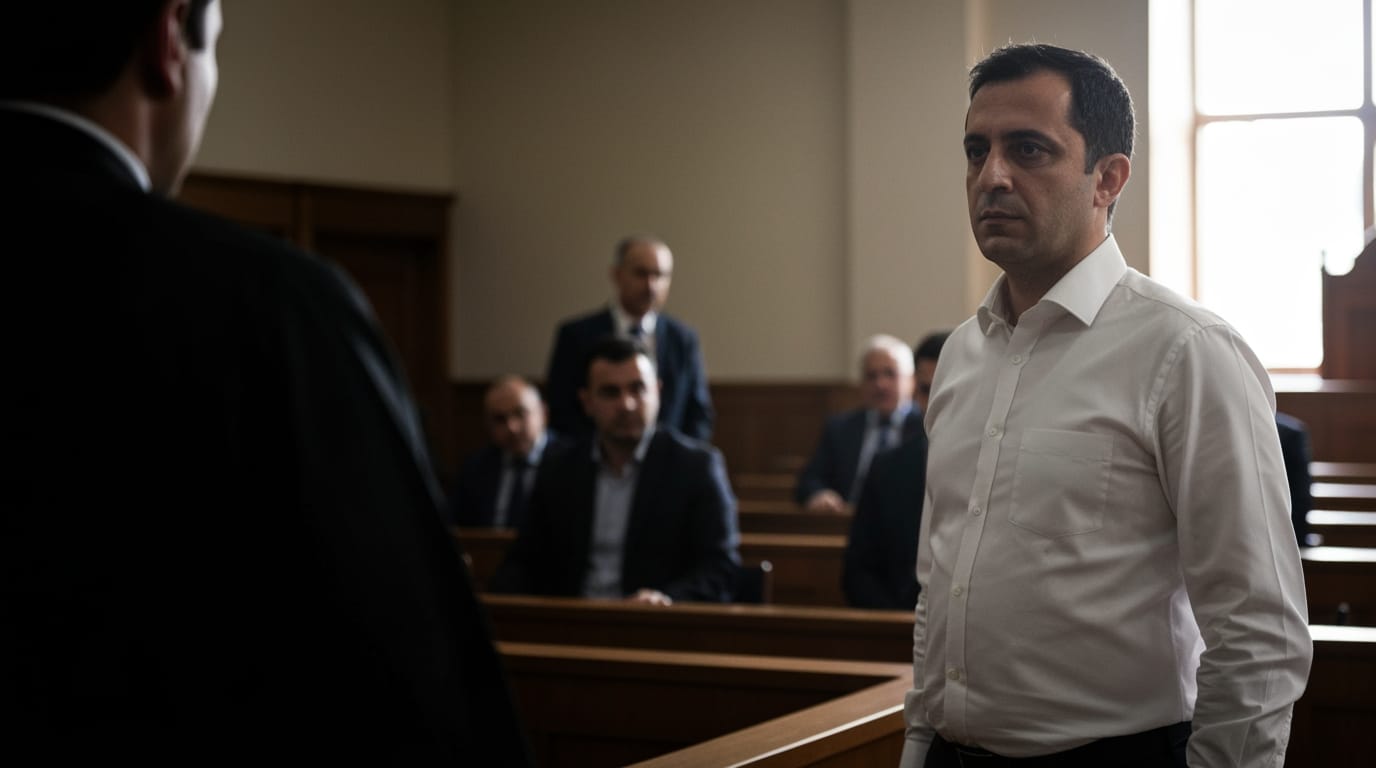
ISTANBUL – The arrest and ongoing trial of award-winning journalist Alican Uludağ, a correspondent for Deutsche Welle (DW), has brought renewed international scrutiny to Turkey's escalating crackdown on press freedom. Uludağ, known for his critical reporting on judicial affairs and corruption, was detained in February 2026 on charges of "insulting the president" and "disseminating disinformation," a move widely condemned by international media and human rights organizations as a politically motivated attempt to silence independent journalism. His case highlights a pervasive pattern of legal and regulatory pressures that have systematically eroded media independence in Turkey.
Uludağ's detention on February 19, 2026, was dramatic and forceful, involving dozens of police officers raiding his home in Ankara and confiscating his digital equipment. He was subsequently transferred to Istanbul and formally arrested the following day, facing charges that could lead to nearly five years in prison. This incident underscores the precarious environment for journalists in a country where critical reporting is increasingly equated with criminal activity.
The Charges Against Uludağ: Reporting on ISIS Releases
The accusations against Alican Uludağ largely stem from a December 2024 report and social media posts concerning the release of six individuals previously convicted in connection with the 2016 Istanbul Atatürk Airport attack. Uludağ's reporting detailed how aggravated life sentences for these alleged ISIS members were overturned by a Turkish court, leading to their subsequent freedom. Despite the factual accuracy of his report, Turkey's Directorate of Communications accused him of "disseminating disinformation" and aiming to create a "false public perception". Prosecutors further cited 22 social media posts on X (formerly Twitter) as evidence, asserting they constituted "repeated and public insults" against President Recep Tayyip Erdoğan.
Uludağ has staunchly denied any wrongdoing, asserting that his social media activity and reporting are protected under freedom of expression and represent legitimate journalistic work. He views the legal proceedings against him as politically motivated, characterizing them as a "purge against critical voices" within the country's media landscape. His pre-trial detention was justified by the court on grounds of alleged flight risk, potential destruction of evidence, and witness tampering, claims that media watchdogs have largely dismissed as arbitrary.
A Systemic Assault on Press Freedom
The trial of Alican Uludağ is not an isolated incident but rather indicative of a broader and long-standing campaign against press freedom in Turkey. International organizations have consistently documented a significant decline in media independence, with Reporters Without Borders (RSF) ranking Turkey 159th out of 180 countries in its 2025 World Press Freedom Index, placing it in the "very serious" category. The country further slipped to 163rd place in the 2026 index. Freedom House has similarly designated Turkey as "Not Free" since 2013.
Authorities employ a multifaceted approach to suppress dissent and control information. This includes the widespread use of vague legal provisions such as "insulting the president," "disseminating disinformation," and "denigrating state institutions" to prosecute journalists. In 2025 alone, 24 journalists were detained, and over a 12-month period, nearly 1,700 individuals faced trial for free speech-related issues, with pretrial detentions increasing by an alarming 560 percent. The media regulatory body, RTÜK, levied 99 sanctions in 2025, imposing fines totaling approximately $5.3 million, with the majority targeting outlets critical of the government. Online censorship is also rampant, with over 27,000 social media accounts blocked in the first four months of 2025, alongside thousands of URLs tied to online content. A new cybersecurity law further criminalizes the dissemination of "false information" about data breaches, expanding governmental control over digital discourse.
International Outcry and Implications
The international community has voiced strong condemnation over Uludağ's arrest and the deteriorating press freedom situation in Turkey. Deutsche Welle, his employer, along with numerous prominent media freedom and human rights organizations, including the Committee to Protect Journalists (CPJ), Reporters Without Borders (RSF), the European Federation of Journalists (EFJ), and the International Press Institute (IPI), have called for his immediate release and the cessation of judicial harassment against journalists. The German government has also publicly demanded Uludağ's freedom, emphasizing that journalistic work should not be treated as a criminal offense.
These international reactions underscore the growing concern that Turkey's actions are undermining democratic principles and international norms regarding freedom of expression. The systematic targeting of journalists, coupled with extensive media control—where an estimated 90% of Turkish national media is under direct or indirect government influence—paints a stark picture of a shrinking space for independent reporting and public discourse. Such measures not only stifle critical voices within Turkey but also damage the country's international standing and its aspirations for stronger ties with democratic nations.
The Fight for Independent Journalism Continues
As Alican Uludağ awaits trial, his case stands as a potent symbol of the ongoing struggle for press freedom in Turkey. His long-standing career, marked by rigorous investigations into sensitive issues such as human rights abuses and corruption, has earned him multiple awards, including the Raif Badawi Prize for Courageous Journalism. His resilience, as articulated through his statement to lawyers – "Tell everyone I will not be silenced" – resonates with many within the journalistic community both inside and outside Turkey.
The international and domestic calls for his release and for an end to the judicial harassment of journalists reflect a deep conviction that a free press is indispensable for a healthy democracy. The outcome of Uludağ's trial will not only determine his personal fate but will also serve as a crucial indicator of Turkey's commitment to fundamental human rights and its trajectory regarding media pluralism and freedom of expression. In the face of intensifying pressures, the resolve of independent journalists and their advocates remains critical in safeguarding the public's right to information.


