Turkish Comedian Deniz Goktas Detained at Istanbul Airport Amid "Insulting Religious Values" Probe
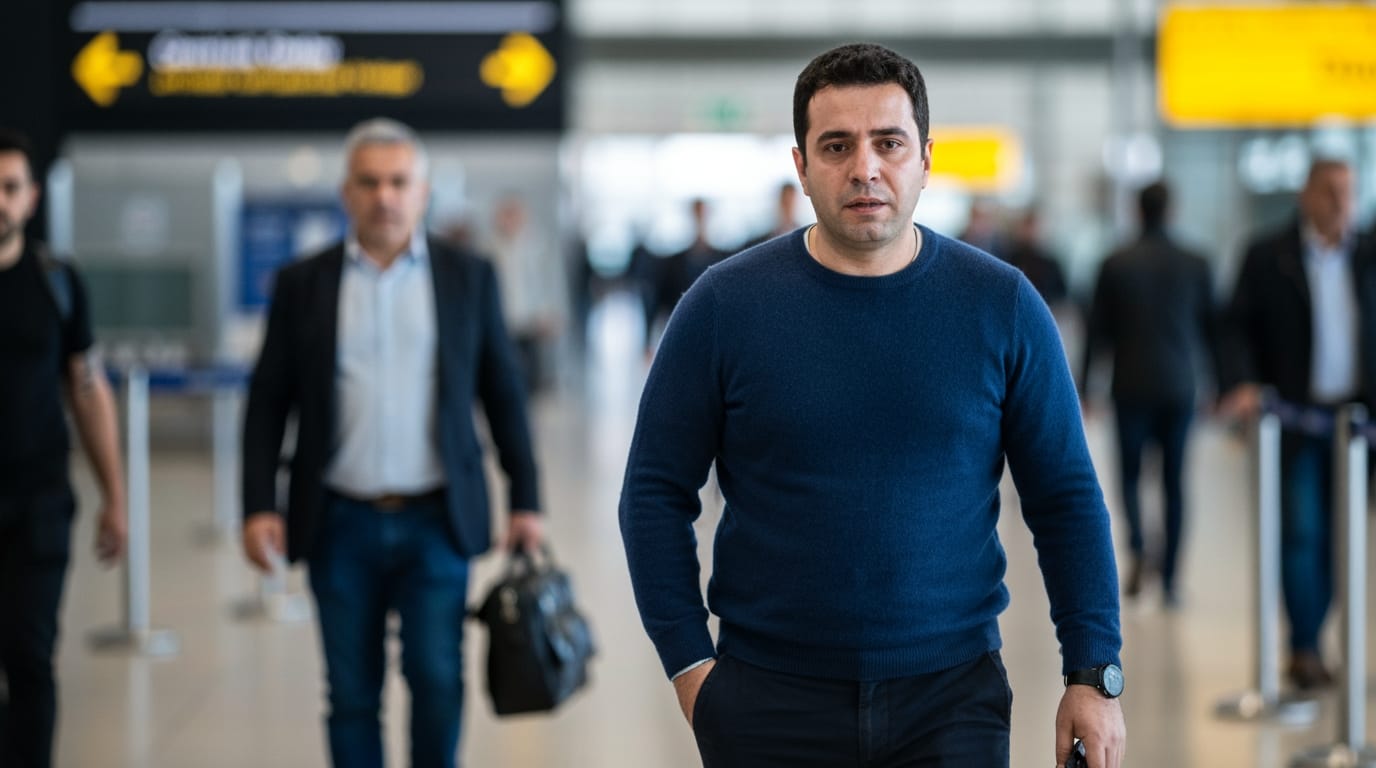
ISTANBUL – Renowned Turkish stand-up comedian Deniz Goktas was detained at Istanbul Airport on Thursday, July 2, 2026, upon his return to Türkiye from an overseas trip, igniting a fresh debate over artistic freedom and critical expression in the country. The detention stems from an ongoing investigation launched by the Istanbul Chief Public Prosecutor's Office into his latest stand-up special, "Olu Deniz" (Dead Sea), which has garnered millions of views online and provoked significant backlash from pro-government circles. Goktas, 32, faces accusations of "publicly insulting religious values adopted by a section of the population," a charge that has frequently been leveled against public figures in Türkiye for content deemed critical or offensive to religious beliefs.
The incident unfolded at passport control as Goktas attempted to re-enter Türkiye, marking a swift escalation in the controversy surrounding his highly popular show. Despite claims circulating on social media that he had "fled abroad," Goktas had previously clarified that his travel was for a holiday and denied any intention of evading potential legal action. His voluntary return, however, did not prevent his detention, with the Istanbul Chief Public Prosecutor's Office notably using the term "captured" in its statement regarding the comedian's apprehension. This terminology has further fueled discussions about the state's approach to individuals facing such investigations.
The Provocative "Olu Deniz" Sparks National Debate
Deniz Goktas, a prominent figure in Türkiye's comedy scene, performed "Olu Deniz" at Istanbul's Harbiye Open Air Theater on June 1, 2026. The full performance was subsequently uploaded to YouTube on June 25, quickly going viral and accumulating over 8.7 million views within a week, with clips from the show spreading rapidly across various social media platforms. The show's widespread reach, however, also drew the attention and ire of ruling political circles and pro-government figures.
Reports indicate that the content of "Olu Deniz" includes satirical jokes targeting President Recep Tayyip Erdoğan, main opposition leaders, and addresses long-standing and sensitive issues within Turkish society, such as the Kurdish and Alevi questions. Furthermore, the special reportedly features jokes perceived as critical or disrespectful towards the Quran. This blend of political and religious satire appears to be the central trigger for the official investigation and the ensuing public outcry from specific segments of the political spectrum. Calls for Goktas's arrest emerged from pro-government factions following the show's online dissemination.
Prominent figures, including Great Unity Party (BBP) Chair Mustafa Destici, former Ankara Mayor Melih Gökçek, and former MP Şamil Tayyar, publicly targeted Goktas online prior to his detention, intensifying the pressure and debate surrounding his work. In response to the viral clips, the Information and Communication Technologies Authority (BTK) also reportedly blocked access to some excerpts of the show shared on X (formerly Twitter) within Türkiye, underscoring the authorities' swift action to control the narrative and content.
Legal Framework and Freedom of Expression Concerns
The charge of "publicly insulting religious values adopted by a section of the population" is a legal provision frequently invoked in Türkiye, often leading to investigations and prosecutions of artists, journalists, and social media users. Critics argue that such laws are broadly interpreted and can be used to stifle dissent and limit freedom of expression, particularly when content is perceived as challenging to conservative or government-aligned viewpoints. The Istanbul Chief Public Prosecutor's Office stated that the investigation was initiated after evaluating 185 applications submitted to the Presidential Communication Centre (CIMER) regarding Goktas's performance, indicating a concerted public response and official attention to the matter.
The detention of a widely popular comedian for his stand-up routine raises significant questions about the boundaries of satire and artistic liberty in Türkiye. Human rights organizations and advocates for free speech often highlight such cases as indicators of a shrinking space for critical commentary and independent artistic creation. The incident involving Goktas is seen by many as another example in a pattern where creative works, especially those with political or religious undertones, face immediate official scrutiny and legal consequences.
Public Reaction and Ongoing Proceedings
The news of Goktas's detention immediately sparked widespread discussion across Turkish social media and news outlets. While pro-government media and supporters lauded the move as a necessary measure to protect religious sensitivities, many others, particularly within artistic and liberal circles, condemned it as an attack on free speech and artistic independence. The use of the term "captured" by the Public Prosecutor's Office, despite Goktas's voluntary return, has also been a point of contention, suggesting a predetermined outcome or a more aggressive stance from the authorities.
Following his detention at passport control, Goktas was reportedly taken to the Istanbul Police Headquarters for further procedures. The exact nature of these procedures, whether they involve formal questioning, a decision on his release, or a formal arrest and charging, remains to be fully clarified as legal proceedings continue. The situation underscores the delicate balance between upholding public values and safeguarding fundamental freedoms, a balance that is constantly tested in Türkiye's evolving political and social landscape.
The detention of Deniz Goktas serves as a stark reminder of the challenges faced by artists and comedians in Türkiye who push the boundaries of social and political commentary. As the investigation proceeds, the case is likely to remain a focal point in the broader conversation about freedom of expression, the role of satire in society, and the legal limits placed on artistic endeavors in the country. The outcome of Goktas's case could set a significant precedent for future creative works and the environment for free speech in Türkiye.


