Turkish Economy Reels After Arrest of Istanbul Mayor İmamoğlu
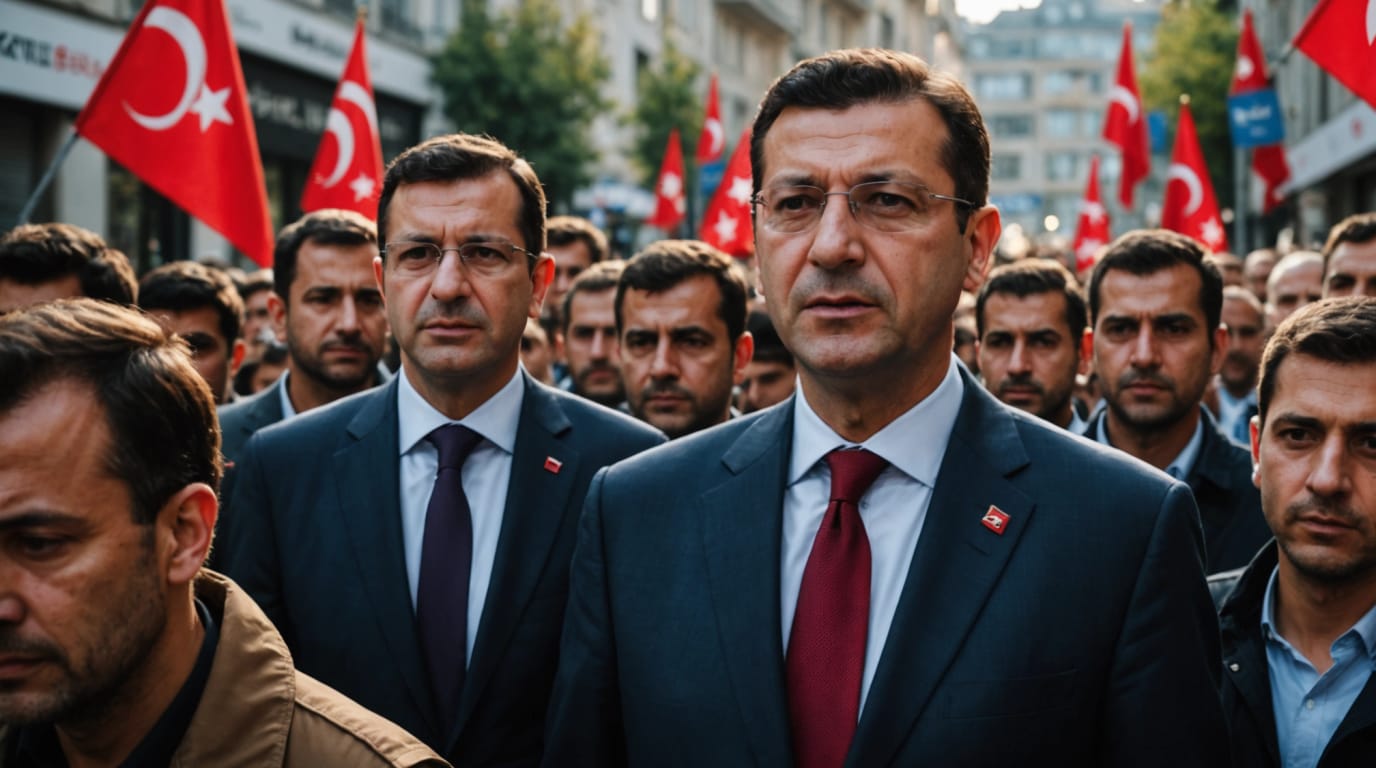
Istanbul – The Turkish economy is facing a confidence crisis following the arrest of Istanbul Mayor Ekrem İmamoğlu on charges of corruption and supporting terrorism. The detention of a prominent opposition figure has triggered market turmoil, widespread protests, and accusations of political maneuvering, casting a shadow over the country's economic stability.
Market Turmoil and Lira Plunge
The immediate aftermath of İmamoğlu's arrest saw Turkish markets thrown into disarray. The Turkish lira experienced a sharp decline, plummeting as much as 12% to a record low of 42 against the US dollar on March 19th. The Boursa İstanbul stock exchange was forced to suspend trading after falling over 7%. Turkish bonds also suffered, posting their worst single-day loss in over a year.
Economists attribute the lira's fall to a rush by Turkish citizens to convert their holdings into foreign currency as a hedge against the uncertainty created by İmamoğlu's arrest. While the central bank intervened to stabilize the currency, the long-term impact on investor confidence remains a concern.
Finance and Treasury Minister Mehmet Şimşek attempted to reassure markets, stating that "everything necessary for the healthy functioning of the markets is being done" and that the government's economic program would continue with determination. However, the arrest has amplified existing concerns about political risk and the independence of the judiciary, potentially deterring foreign investment.
Political Motivations and Public Protests
İmamoğlu, a member of the Republican People's Party (CHP), is widely considered a leading political rival to President Recep Tayyip Erdoğan. He won the Istanbul mayoral election in 2019, a significant blow to Erdoğan's ruling Justice and Development Party (AKP). Many view the charges against İmamoğlu as politically motivated, aimed at undermining his potential candidacy in future elections.
The arrest has sparked widespread protests across Turkey, with demonstrators denouncing the government's actions as a "civil coup" and an attempt to suppress dissent. Students, opposition party members, and civil society groups have taken to the streets in Istanbul, Ankara, Izmir, and other cities, demanding İmamoğlu's release and an end to political repression.
President Erdoğan has accused the opposition of "sinking the economy" and warned that "sabotage targeting the Turkish economy will be held accountable before the courts." The government maintains that the judiciary is independent and that İmamoğlu's arrest is based on legitimate evidence of corruption and links to terrorist organizations. However, the evidence against İmamoğlu has not been officially disclosed, and reports suggest it relies heavily on "secret witnesses," raising concerns about due process.
Implications for Turkey's Economy
The arrest of İmamoğlu and the ensuing market turmoil have exacerbated Turkey's existing economic vulnerabilities. The country has been grappling with high inflation, a volatile currency, and a large current account deficit. The political uncertainty created by the arrest could further undermine investor confidence, leading to capital flight and slower economic growth.
The Turkish economy is heavily reliant on foreign investment, particularly in sectors such as manufacturing, energy, and finance. A decline in investor confidence could reduce foreign direct investment, hindering economic development and job creation.
Moreover, the protests and political tensions could disrupt economic activity, particularly in Istanbul, Turkey's economic center. Strikes, demonstrations, and social unrest could negatively impact tourism, trade, and other key sectors.
Broader Political Context
İmamoğlu's arrest comes at a time of increasing political polarization in Turkey. The government has been accused of cracking down on dissent, restricting freedom of expression, and undermining democratic institutions. The arrest of journalists, academics, and human rights activists has raised concerns about the rule of law and the independence of the judiciary.
The CHP, Turkey's main opposition party, has condemned İmamoğlu's arrest as a "coup attempt" and has vowed to continue its struggle for democracy and the rule of law. However, the party faces its own challenges, including a court case seeking to remove its chairman and dissolve its board over allegations of election fraud.
With three years remaining until the next scheduled elections in 2028, Erdoğan's government appears to be betting that public outrage over İmamoğlu's arrest will eventually fade and that the economy will recover. However, the arrest has galvanized the opposition and raised serious questions about the future of democracy and economic stability in Turkey.
Conclusion
The arrest of Istanbul Mayor Ekrem İmamoğlu has triggered a confidence crisis in the Turkish economy, exacerbating existing vulnerabilities and raising concerns about political risk. The market turmoil, public protests, and accusations of political maneuvering have cast a shadow over the country's economic outlook. While the government has attempted to reassure investors and maintain stability, the long-term impact of the arrest on investor confidence and economic growth remains uncertain. The events surrounding İmamoğlu's arrest highlight the complex interplay between politics and economics in Turkey and underscore the challenges facing the country as it navigates a period of political and economic uncertainty.