Turkish Journalists Barred from NATO Summit, Sparking Press Freedom Outcry
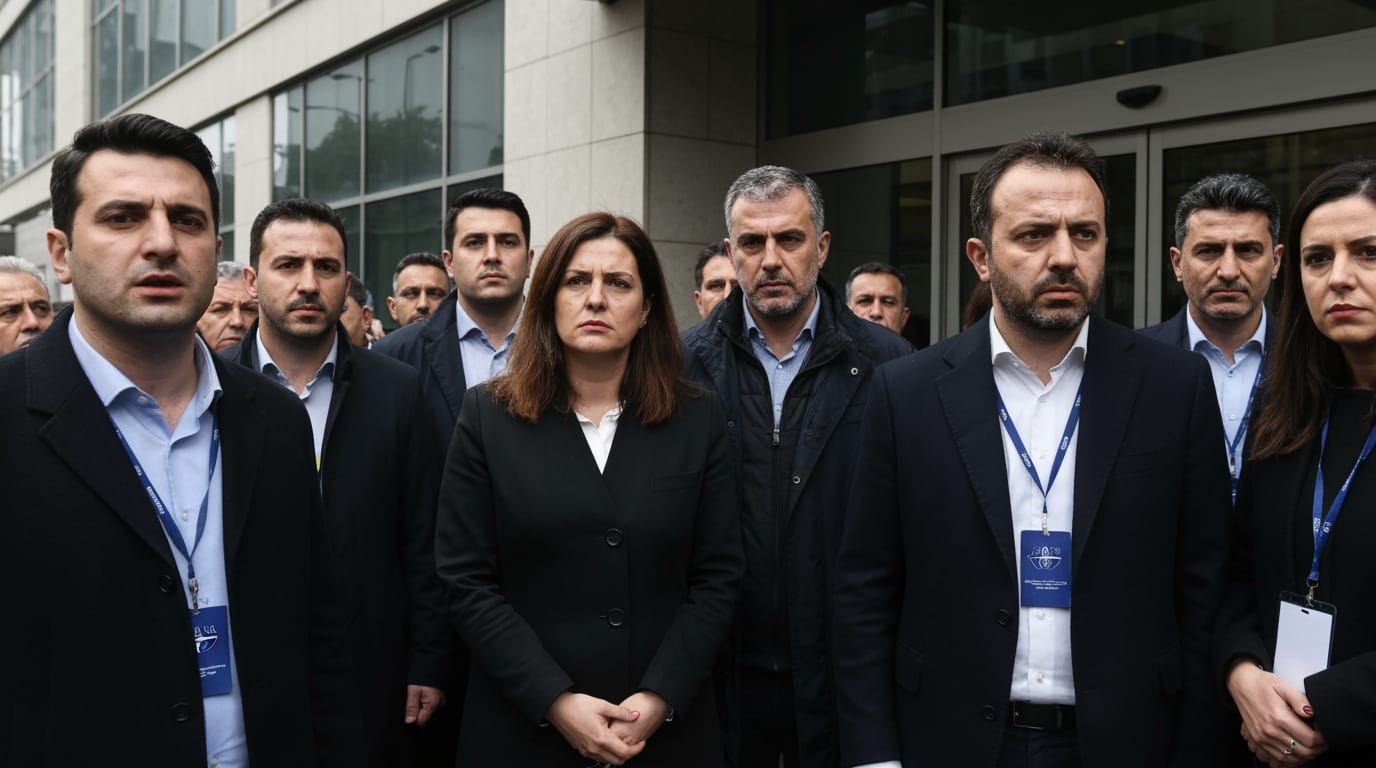
ANKARA – Dozens of Turkish journalists have been denied accreditation to cover an upcoming NATO summit in Ankara, scheduled for July 7-8, triggering widespread condemnation from media organizations and raising significant concerns about press freedom in the host nation. The rejections, which include reporters from prominent independent outlets and even a pro-government newspaper, have cast a shadow over the alliance’s gathering and spotlighted Turkey’s contentious record on media access and journalistic liberties.
The controversy erupted this week as numerous Turkish media professionals received notices of their accreditation denial from NATO's Office of Strategic Communications, often without any explanation. While NATO has indicated it relies on the host nation's assessment for journalist access, the move has been widely interpreted as a reflection of Turkey's tightening grip on media, rather than a security imperative. This unprecedented exclusion of a substantial segment of the local press at a major international event hosted on Turkish soil has intensified calls for transparency and adherence to democratic principles within the alliance.
Unexplained Denials Fuel Frustration
The scale of the accreditation denials quickly became apparent as reports emerged from various independent Turkish news organizations. Outlets such as Cumhuriyet, Sozcu, Anka, T24, Medyascope, İlke TV, and NOW TV confirmed that their reporters, many of whom have extensive experience covering international affairs, would be unable to attend the high-profile summit. The impact extended even to a journalist from the pro-government Yeni Safak newspaper, Ersin Celik, underscoring the seemingly arbitrary nature of the rejections.
Journalists directly affected voiced their dismay. Duygu Güvenç, a seasoned Turkish journalist, publicly noted her prior accreditation for numerous NATO summits in various cities globally, expressing frustration at being barred from an event in her home city of Ankara. Similarly, defense and security journalist Levent Kemal criticized the lack of rationale behind the decisions, questioning the criteria used for accreditation and suggesting that experienced professionals were being rejected without cause. The rejection emails themselves offered no recourse or explanation, merely stating that the decision was "final" and that reasons could not be discussed. This lack of transparency has further fueled anger and suspicion among the journalistic community.
Broadening Concerns Over Press Freedom in Turkey
The incident is not isolated but rather fits into a broader pattern of concerns regarding press freedom in Turkey. International watchdogs and local journalist associations have consistently highlighted the shrinking space for independent media in the country. Reporters Without Borders (RSF) ranked Turkey 163rd out of 180 countries in its 2026 Press Freedom Index, a drop from the previous year, warning of growing threats to media pluralism. The Committee to Protect Journalists (CPJ) has also documented the decimation of independent media through shutdowns, takeovers, and the forced exile or career changes of countless journalists since 2014. This period coincided with a severe government crackdown following corruption investigations.
Critics argue that the government of President Recep Tayyip Erdoğan has systematically used press accreditation as a tool to control narratives and restrict access for journalists perceived as critical. Reports frequently describe how journalists from opposition and independent outlets are routinely excluded from official events, presidential programs, and government briefings. Press cards, crucial for professional work, are often denied, canceled, or held in limbo for extended periods. While the Turkish government maintains that accreditation decisions are based on security and administrative rules and denies targeting journalists for their work, these explanations are largely rejected by press freedom advocates. They point to a media landscape where most mainstream outlets are owned by entities with close ties to the government, leaving independent journalists vulnerable to lawsuits, arrests, and various forms of pressure for their reporting.
NATO's Position and International Implications
NATO's response to the controversy has been met with scrutiny. While NATO Spokesperson Allison Hart acknowledged the importance of media attendance at significant events and mentioned ongoing contact with Turkish authorities, the alliance's deference to Turkey's assessment for accreditation has drawn criticism. The Turkish Journalists Association explicitly stated that these denials contradict the very principles of democracy, individual freedom, and the rule of law enshrined in NATO's founding treaty.
The incident raises significant questions about the alliance's commitment to its core values, particularly when hosting a summit in a member state where press freedom is under considerable strain. Transparency and accountability are paramount for international bodies like NATO, and restricting media access undermines these tenets. For journalists, the ability to cover such summits is vital for informing the public about critical geopolitical discussions, defense strategies, and diplomatic developments that directly impact global security. When access is curtailed, it creates an information vacuum, potentially fostering misinformation and eroding public trust in both the host nation and the international organization. The exclusion of critical voices also sets a concerning precedent, potentially normalizing similar restrictions at future international gatherings.
A Call for Upholding Journalistic Integrity
The exclusion of Turkish journalists from the upcoming NATO summit in Ankara serves as a stark reminder of the challenges facing press freedom in various parts of the world. The incident underscores the delicate balance between national security concerns and the fundamental right of journalists to report freely and inform the public. While security protocols are understandable for high-level international meetings, the opaque nature of these accreditation denials and their alignment with existing patterns of media repression in Turkey have raised alarm bells. The international community, including NATO, faces increasing pressure to reconcile its stated values with the practical realities of engaging with member states that exhibit a weakening commitment to democratic freedoms. The ability of journalists to scrutinize and report on the proceedings of such crucial gatherings is not merely a professional privilege but a cornerstone of a healthy, informed democracy.


