Turkish Religious Authority Gains Power to Censor Quran Translations, Sparking Outcry
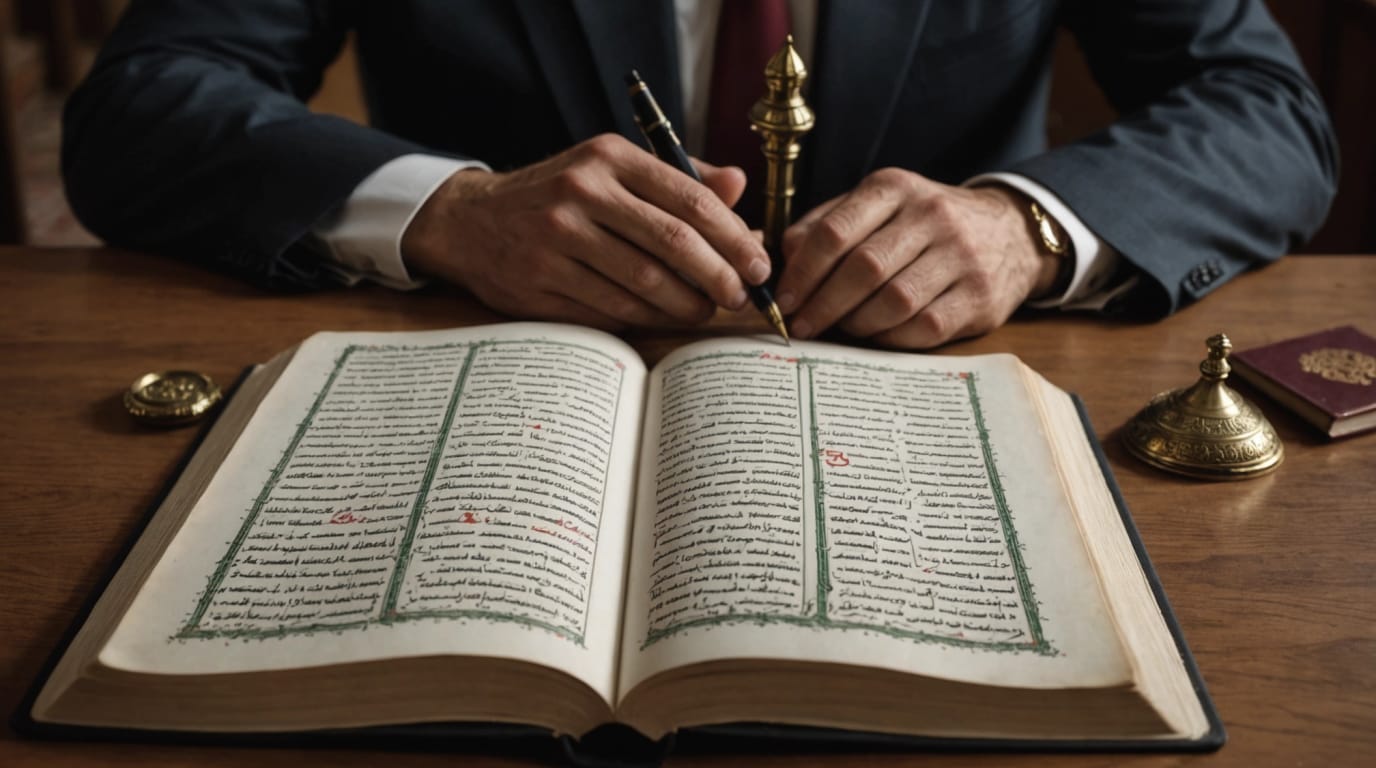
A new law in Turkey granting the Directorate of Religious Affairs (Diyanet) the authority to censor Quran translations deemed incompatible with "Islam's fundamental characteristics" has ignited a firestorm of controversy, raising concerns about religious freedom and state control over religious interpretation. Critics argue the move represents a significant shift towards a state-dictated version of Islam, reminiscent of restrictive religious controls seen in countries like Saudi Arabia and Iran.
Sweeping Powers for Religious Directorate
The legislation, recently approved by the Turkish Parliament, empowers the Diyanet to review Quran translations, known as "meals," either on its own initiative or at the request of public or private entities. If the Diyanet finds a translation "objectionable" from the perspective of "Islam's fundamental characteristics," it can petition judicial authorities to halt its publication and distribution. The law extends Diyanet's reach into the digital realm, allowing it to request the removal or blocking of online content deemed problematic.
The Diyanet, established in 1924, is a powerful government body that operates in over 100 countries and employs over 140,000 people. Since 2018, it has been under the direct control of President Recep Tayyip Erdogan. With an annual budget exceeding that of some ministries, the Diyanet manages 90,000 mosques across the country, organizes pilgrimages, coordinates religious celebrations, and trains imams both for Turkey and abroad.
Censorship and Confiscation
The new law allows the Diyanet to not only halt the publication of new translations but also order the confiscation and destruction of previously distributed copies. This applies to both printed and digital content, meaning that theological material on websites, blogs, and social media could be taken down through court orders. Legal challenges are permitted within two weeks, but appeals will not suspend the enforcement of takedown orders, raising concerns about due process violations.
Independent MP Mustafa Yeneroğlu condemned the move, warning that it opens the door to ideological policing of scripture. He argued that religious interpretation should not be filtered through a government-approved lens and that the bill's broad language threatens legal consistency.
Concerns Over Religious Freedom
Critics argue that the law's vague criteria for banning a translation, particularly its reference to violating the "essential principles of Islam," undermines constitutional protections on religious practice by allowing the state to determine what constitutes correct belief. They fear that this could lead to the suppression of alternative Islamic interpretations and the imposition of a state-sanctioned monopoly on theology.
Theologian İhsan Eliaçık views the new Diyanet authority as a fundamental violation of Islam, asserting that no institution should stand between people and Allah. His own translation of the Quran was previously deemed problematic by the Diyanet and banned, although he successfully challenged the decision in the Constitutional Court.
A Pattern of Increasing Control
The new law follows a series of precedents in which the Diyanet has taken steps to restrict religious publications. In 2023, a Quran commentary by a Turkish theologian was banned after the Diyanet flagged it as objectionable. More recently, a publishing house applying for a barcode for a previously printed Quran translation was denied approval unless the text was submitted for review.
These examples demonstrate a trend toward increasing state control over religious expression in Turkey. Since a coup attempt in 2016, Turkish authorities have removed tens of thousands of publications from libraries and bookstores, including Qurans and commentaries linked to the Gülen movement, a faith-based group that Ankara accuses of orchestrating the coup.
Broader Implications
The move has sparked debate about the role of the state in religious affairs and the future of religious freedom in Turkey. Some observers see the law as part of a broader effort by the Turkish government to consolidate control over religious discourse and suppress alternative interpretations of Islam. Others argue that it is a necessary measure to protect the public from harmful or misleading translations of the Quran.
Theologians critical of the government speak of censorship and "state-dictated Islam" that threatens religious freedoms. Professor Sönmez Kutlu said the move was an admission that the state had declared bankruptcy, arguing that the state should protect the Quran from problematic translations through intellectual and scientific methods, not bans.
A Contentious Shift
The new law marks a contentious shift in Turkey's approach to religious affairs, raising concerns about the suppression of diverse Islamic interpretations and the potential for arbitrary censorship. As the Diyanet begins to exercise its new powers, the impact on religious freedom and intellectual discourse in Turkey remains to be seen. The law has already drawn strong condemnation from critics who fear it will lead to a more restrictive and state-controlled religious environment, potentially silencing dissenting voices and limiting access to diverse interpretations of Islamic scripture.


