Twin Blasts Jolt Punjab, Sparking Heightened Security Concerns Across State
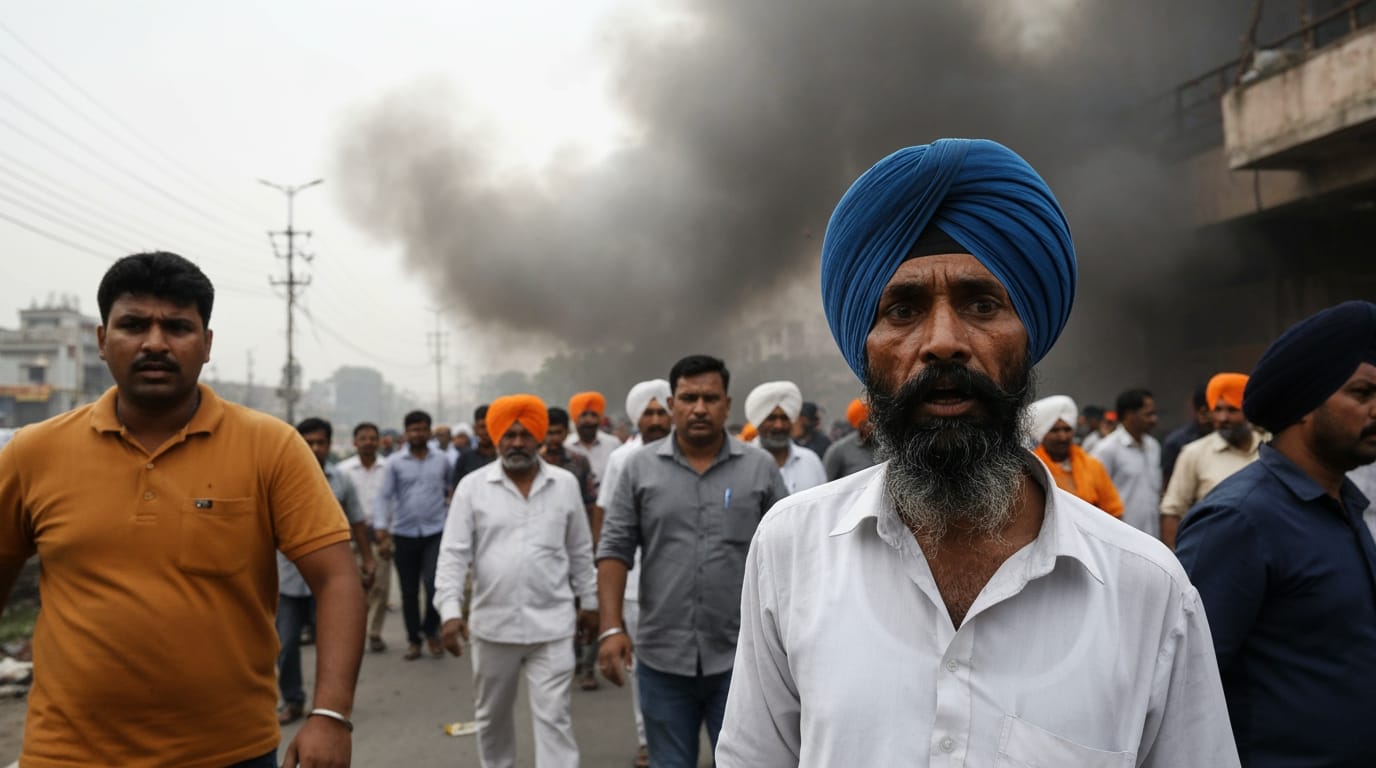
CHANDIGARH, India – Two low-intensity explosions rocked Punjab on Tuesday evening, May 5, 2026, within hours of each other, near sensitive military installations in Amritsar and Jalandhar. While no significant damage or casualties were reported, the incidents have sent ripples of anxiety across the state, prompting a swift response from security agencies and drawing sharp criticism from opposition parties against the ruling Aam Aadmi Party (AAP) government over deteriorating law and order. The back-to-back blasts have raised fresh concerns about internal security and potential destabilizing efforts in the strategically vital border state.
Incidents Unfold Near Strategic Locations
The first incident occurred around 8 p.m. in Jalandhar, where a scooter parked near the headquarters of the Border Security Force's (BSF) Punjab Frontier caught fire. Locals reported hearing a blast-like sound, causing immediate panic in the vicinity. Hours later, between 11:00 and 11:15 p.m., a loud noise was reported near the boundary wall of the Army cantonment area on Khasa Road in Amritsar. Police authorities, including Senior Superintendent of Police (Amritsar Rural) Sohail Qasim Mir, quickly visited the scene, confirming it appeared to be a "low (intensity) explosion."
Following both explosions, rapid response teams, forensic experts, and bomb disposal squads were deployed to the sites to collect samples and initiate investigations. A joint search operation involving personnel from the Army and the Border Security Force was also launched in the affected areas, underscoring the seriousness with which authorities are treating these events. While the physical impact of the blasts was minimal, their proximity to key defense establishments has ignited a significant debate about the state's security apparatus.
Intensive Investigation Underway, NIA Poised to Join
Punjab Police have launched a comprehensive investigation into the twin incidents, with top officials overseeing the probe. Director General of Police (DGP) Gaurav Yadav visited the Amritsar blast site to assess the situation directly. Investigators are meticulously analyzing CCTV footage from both locations, which is expected to provide crucial leads. In Jalandhar, visuals reportedly show an individual fleeing the scene moments after the scooter explosion, while in Amritsar, cameras captured the loud sound of the blast, providing insights into the intensity of the event.
The nature of the explosive devices is also under scrutiny. While early indications suggest low-intensity devices were used, police sources indicated that the "messaging being done through such actions is being analysed" more than the sophistication of the explosives themselves. The National Investigation Agency (NIA) is reportedly preparing to send a team to Punjab to assist in the ongoing investigations, highlighting the potential national security implications of these incidents. Authorities have emphasized that the law and order situation in the state remains under control, with commissioners of police and senior superintendents of police directed to install special checkpoints ("nakas") and enhance patrolling to monitor anti-social elements.
Mounting Political Pressure and Persistent Security Concerns
The twin blasts have provided fresh ammunition for opposition parties, who have swiftly criticized the AAP government for what they describe as a deteriorating law and order situation in Punjab. Former Punjab Deputy Chief Minister and Shiromani Akali Dal president Sukhbir Singh Badal pointed to a pattern of recent incidents, stating, "Three blasts in 10 days, two in a single day—On May 5 in Jalandhar outside BSF headquarters and Sri Amritsar Sahib Army area, and on April 27, near the Rajpura rail track." He accused Chief Minister Bhagwant Mann, who also holds the Home Ministry portfolio, of pushing the state "back into dark days" due to "continued intelligence failures and collapse of law and order." Leader of Opposition in the Punjab Assembly, Congress's Partap Singh Bajwa, echoed these concerns, calling the explosions "deeply alarming."
Beyond the political rhetoric, the incidents have indeed fueled existing anxieties about security. Officials suspect possible links to cross-border elements, Khalistani terror networks, and a growing nexus between gangsters and extremist groups aiming to destabilize the region. These concerns are not new, with Punjab having faced a series of security breaches in recent months. In April 2026, a low-intensity improvised explosive device (IED) blast was reported on the Patiala-Rajpura railway track. Earlier in January 2026, another explosion occurred on the Sirhind railway track, and a grenade attack outside a BJP office in Chandigarh's Sector 37 had also caused alarm. These incidents collectively contribute to a climate of unease, challenging the state's efforts to maintain peace and stability.
Punjab's Enduring Struggle for Stability
Punjab has a complex history marked by periods of militancy and political unrest, leaving a lasting impact on its social and security fabric. The current incidents, though low in intensity, resonate deeply within a population that has experienced significant challenges to peace. The repeated targeting of sensitive areas, including those near military installations, serves as a stark reminder of the persistent threats faced by the state. While authorities stress that the situation is under control, the psychological impact of such events can be considerable, fostering apprehension and mistrust.
The ongoing investigations are crucial not only for identifying those responsible for the recent blasts but also for understanding the broader motivations and networks behind such acts. Disrupting these networks and preventing future occurrences is paramount for safeguarding the region's stability and ensuring the safety of its citizens. The delicate balance between maintaining vigilance and preventing widespread panic remains a key challenge for the state government and its security agencies.
A Call for Vigilance Amidst Growing Concerns
The twin explosions in Amritsar and Jalandhar serve as a potent reminder of the enduring security challenges in Punjab. While the immediate physical damage was minimal, the incidents have amplified public anxiety and reignited political debates surrounding law and order. Security agencies are on high alert, conducting intensive investigations and bolstering patrols to counter any potential threats. The involvement of central agencies like the NIA underscores the gravity of the situation and the commitment to a thorough probe. As Punjab navigates these heightened concerns, sustained vigilance, robust intelligence gathering, and coordinated efforts between state and central authorities will be essential to ensure peace and prevent any attempts to destabilize the region. The path forward demands a unified approach to confront the complex and evolving security landscape.


