U.S. and Bangladesh Seal Landmark Trade Agreement, Tariffs Cut to 19%
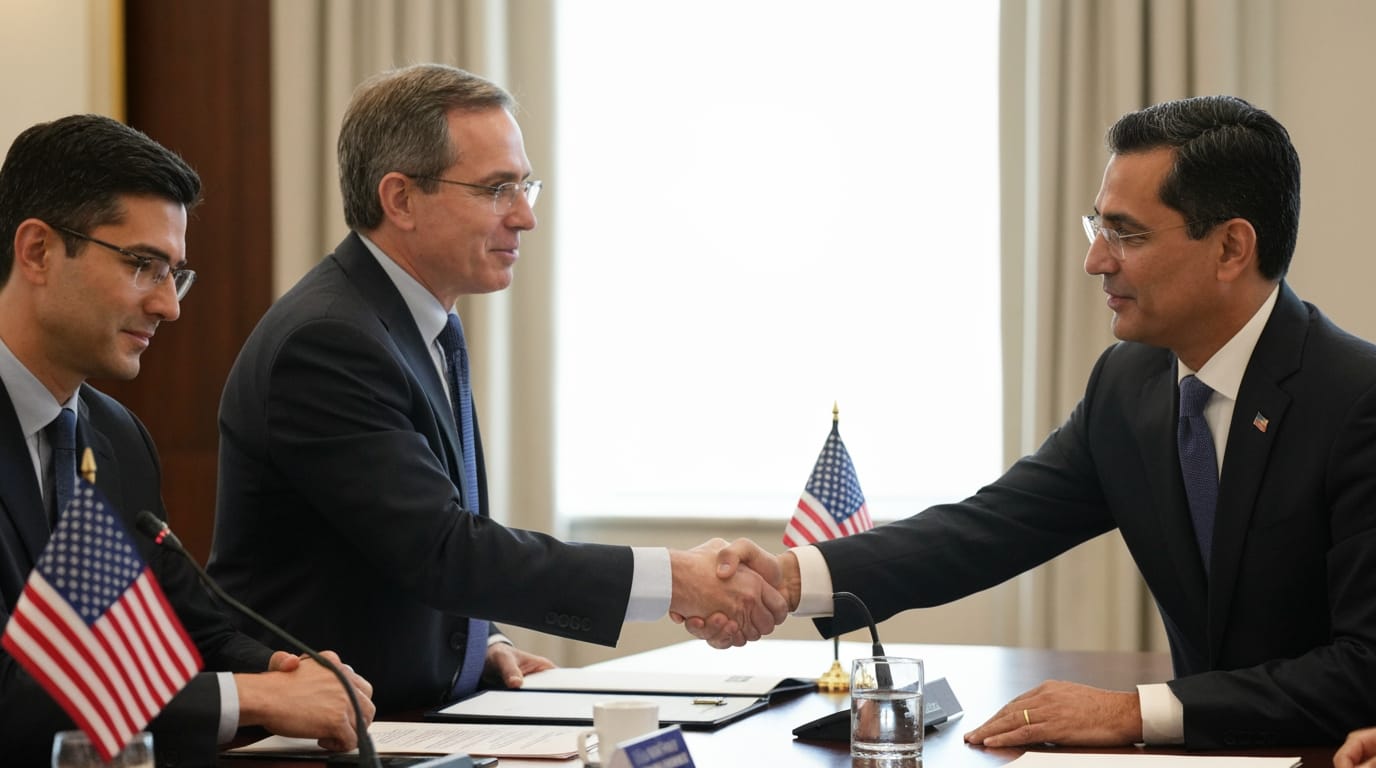
WASHINGTON, D.C. – The United States and Bangladesh have finalized a significant trade agreement, dramatically reducing U.S. reciprocal tariffs on Bangladeshi goods to 19% and introducing a zero-tariff mechanism for certain textile exports. The deal, signed on Monday, February 9, 2026, marks a pivotal moment in bilateral economic relations, aiming to boost trade flows, deepen market access for both nations, and solidify Bangladesh's position in the global supply chain. This agreement follows nine months of intensive negotiations and represents a substantial shift from previously proposed tariff rates, offering crucial relief and expanded opportunities for Bangladesh's vital ready-made garment (RMG) sector.
A New Era of Trade Relations
Under the newly inked agreement, the United States has committed to lowering its overall reciprocal tariff on Bangladeshi imports from a previous 20% to 19%. This adjustment provides a more competitive landscape for Bangladeshi products entering the U.S. market. A particularly impactful component of the deal is the establishment of a mechanism that allows certain textile and apparel goods from Bangladesh to receive a full exemption from these levies, provided they utilize U.S.-produced cotton and man-made fibers. This innovative provision is designed to create a mutually beneficial trade pathway, supporting Bangladesh's manufacturing capabilities while simultaneously increasing demand for U.S. raw materials.
The agreement was formally signed in Washington by Commerce Adviser Sk Bashir Uddin on behalf of Bangladesh and U.S. Trade Representative Jamieson Greer. Interim Bangladesh leader Muhammad Yunus lauded the agreement, stating it provides unprecedented access to each other's respective markets and strengthens economic ties. The negotiations, which commenced in April of last year, saw the tariff rate initially proposed by Washington at 37%, before being reduced to 20% in August 2025. The current 19% rate reflects a strategic compromise aimed at fostering robust and equitable trade.
Bolstering Bangladesh's Economic Engine
The impact of this trade deal on Bangladesh's economy is expected to be profound, particularly for its ready-made garment (RMG) sector. This industry serves as the backbone of the nation's economy, accounting for over 80% of total export earnings, employing approximately four million workers—a majority of whom are women from rural and low-income backgrounds—and contributing about 10% to the country's gross domestic product. The reduced tariff, coupled with the zero-duty access for textiles made with U.S. materials, offers significant relief and a competitive edge in a demanding global market.
With the revised tariff rate, Bangladesh finds itself in a competitive position among major apparel exporters to the U.S. market. The new 19% rate places Bangladesh on par with countries like Pakistan, Cambodia, and Indonesia, which also face a 19% reciprocal tariff. While Vietnam, a close competitor, is subject to a 20% tariff, India has secured a slightly lower rate of 18%. Experts suggest that Bangladesh's inherent advantages, such as lower labor and production costs, will enable it to maintain its competitive stance despite India's marginally lower tariff. This strategic tariff reduction is anticipated to protect jobs, stimulate further investment in the textile sector, and enhance Bangladesh's overall export capacity.
Expanding Market Access and Strategic Partnerships for the U.S.
The trade agreement is not a one-sided concession; it includes substantial commitments from Dhaka designed to provide preferential market access for a range of U.S. industrial and agricultural goods. Bangladesh has agreed to open its markets to U.S. chemicals, medical devices, auto parts, energy products, and various farm products including soy, dairy, beef, poultry, tree nuts, and fruits.
Furthermore, Bangladesh has pledged to address several non-tariff barriers that have historically limited U.S. sales. These commitments include accepting vehicles that comply with U.S. regulations and pharmaceuticals authorized by the U.S. government, as well as removing import restrictions on remanufactured goods. These measures are expected to streamline the entry of U.S. products into the Bangladeshi market, fostering increased bilateral trade volume and diversification. The White House anticipates further commercial deals stemming from this agreement, including the procurement of 25 aircraft from U.S. aerospace giant Boeing, estimated to be valued between BDT 300-350 billion (approximately $2.46-$2.87 billion USD). Additionally, the deal paves the way for a substantial purchase of $3.5 billion in U.S. agricultural products and an estimated $15 billion in energy purchases over the next 15 years.
Broader Implications and Future Outlook
Beyond the immediate economic benefits, the agreement also underscores a commitment from Bangladesh to uphold internationally recognized labor rights, strengthen environmental protections, and safeguard intellectual property rights. These commitments reflect a broader effort to align Bangladesh's regulatory framework with international standards, enhancing its appeal as a stable and responsible trading partner.
The timing of this agreement, coming just days before Bangladesh's national elections on February 12, highlights its immediate political and economic significance. Some analysts suggest that geopolitical considerations, including the recently concluded U.S.-India trade deal which saw India's tariff rate set at 18%, may have influenced the outcome for Bangladesh. The U.S. has not offered a 15% reciprocal tariff to any country in the region, indicating the 19% rate is a standard within current U.S. trade policy for the area.
This trade deal represents a significant milestone in U.S.-Bangladesh relations, moving beyond traditional aid-based frameworks towards a more robust and reciprocal trade partnership. Both nations stand to gain from enhanced market access, reduced trade barriers, and a strengthened foundation for future economic cooperation. The agreement not only supports Bangladesh's crucial export industries but also creates new avenues for U.S. businesses, signaling a shared commitment to fostering sustainable economic growth and stability in the region.


