Ghislaine Maxwell Stays Silent in House Deposition, Frustrating Lawmakers Seeking Epstein Answers
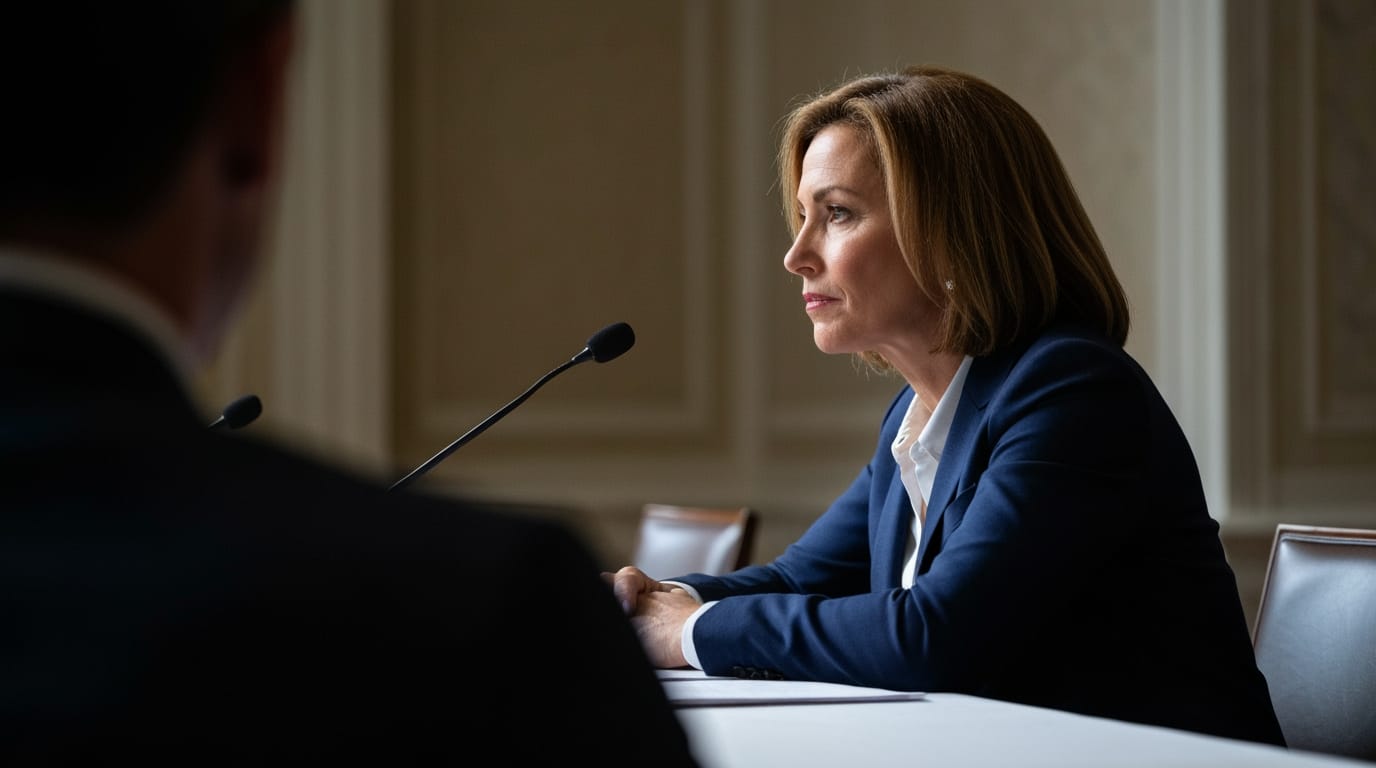
Washington D.C. — Ghislaine Maxwell, the convicted sex trafficker and longtime associate of the late financier Jeffrey Epstein, invoked her Fifth Amendment right against self-incrimination on Monday, refusing to answer questions during a closed-door deposition before the House Oversight and Government Reform Committee. Her silence represents a significant roadblock for lawmakers attempting to shed further light on the expansive network surrounding Epstein's sex trafficking operation and to identify potential co-conspirators. The highly anticipated virtual appearance, conducted from the federal prison in Tallahassee where Maxwell is serving a 20-year sentence, left committee members expressing deep frustration and renewed calls for transparency in the ongoing investigation.
The contentious deposition, which lawmakers had sought for months, commenced with Maxwell's attorney, David Oscar Markus, informing the committee that his client would be exercising her constitutional right to remain silent. Markus cited a pending habeas corpus petition challenging Maxwell's conviction, arguing that her trial was fundamentally unfair and that silence was a "legal necessity." This legal maneuver effectively shut down any hopes of extracting new information from Maxwell, who was convicted in 2021 for her pivotal role in luring and grooming underage girls for Epstein's abuse.
A Wall of Silence Amidst Demands for Truth
The House Oversight Committee, led by Chairman James Comer (R-Ky.), had subpoenaed Maxwell with the explicit aim of uncovering how Epstein managed to operate his sex trafficking enterprise for years with apparent impunity, and to explore potential legislative solutions to combat sex trafficking more effectively. However, Maxwell's steadfast refusal to cooperate proved a major disappointment. Chairman Comer voiced his frustration, calling her decision "very disappointing" and emphasizing the committee's sincere desire to reach the truth for the American people and secure justice for survivors.
Ranking Member Robert Garcia (D-Calif.) echoed this sentiment, questioning Maxwell's motivations. "Who is she protecting?" Garcia stated, further implying concerns about "special treatment" Maxwell might have received at a low-security prison during the previous administration. These remarks underscore the lingering suspicions and unanswered questions that continue to plague the public consciousness regarding Epstein's enablers and any potential high-profile associates who may have benefited from or facilitated his illicit activities.
Maxwell's legal team had signaled her intention to invoke the Fifth Amendment well in advance of the deposition, transforming the event largely into a symbolic standoff. Despite these warnings, the committee pressed forward, highlighting the profound public interest in the Epstein case and the imperative for congressional oversight into the handling of sex trafficking investigations. The committee's action reflects a persistent effort to pierce through the veil of secrecy that has long surrounded the Epstein scandal, a pursuit fueled by the persistent calls for accountability from victims and the broader public.
Offers and Allegations: A Contentious Exchange
Adding a layer of controversy to the proceedings, Maxwell's attorney presented a conditional offer: she would be "willing—and eager—to testify openly and honestly" if she were granted clemency. Furthermore, Markus claimed that Maxwell possessed information that could exonerate both former President Donald Trump and former President Bill Clinton from any wrongdoing in their associations with Epstein. This proposition immediately drew skepticism and condemnation from Democratic lawmakers, who characterized it as a transparent attempt to garner political favor and secure an early release from her lengthy prison sentence. Representative Suhas Subramanyam (D-Va.) described Maxwell's demeanor during the virtual call as "robotic" and "unrepentant," suggesting her offer was a strategic maneuver for clemency.
The credibility of Maxwell's silence was further challenged by Representative Ro Khanna (D-Calif.), who noted an apparent inconsistency in her previous cooperation with legal authorities. Khanna pointed out that Maxwell had previously met with Deputy Attorney General Todd Blanche to discuss "substantially similar subject matter" without invoking her Fifth Amendment rights. This past cooperation, contrasted with her recent refusal, raises questions about the tactical nature of her current stance and the shifting legal landscape surrounding her ongoing efforts to appeal her conviction.
Broader Implications and the Quest for Justice
The deposition of Ghislaine Maxwell is but one component of a wider and increasingly aggressive congressional inquiry into the Epstein scandal. The House Oversight Committee has cast a wide net, issuing subpoenas to other individuals connected to Epstein's inner circle, including accountant Richard Kahn and lawyer Darren Indyke. Notably, former President Bill Clinton and former Secretary of State Hillary Clinton, who initially resisted testifying, have also agreed to appear for depositions later this month after facing threats of contempt of Congress charges. This indicates a sustained push by lawmakers to compel testimony from anyone believed to hold vital information related to Epstein's operations and alleged cover-ups.
The committee's investigations are not merely focused on individual culpability but also on systemic failures that allowed Epstein's crimes to persist. They seek to understand the effectiveness of federal sex trafficking laws and the application of non-prosecution or plea agreements in sex crime investigations. The recent release of millions of internal documents related to Epstein by the U.S. Department of Justice, in compliance with a new law, has intensified the scrutiny and highlighted the ongoing public demand for complete transparency.
For the victims of Jeffrey Epstein and Ghislaine Maxwell, the continued silence is another painful hurdle in their long quest for justice. Families of victims, like the late Virginia Giuffre, have made it clear that they do not view Maxwell as a mere bystander. "You were a central, deliberate actor in a system built to find children, isolate them, groom them, and deliver them to abuse," a letter from Giuffre's family to Maxwell stated, underscoring the deep wounds and the unyielding demand for full accountability from all involved parties.
Lingering Questions and Future Outlook
Maxwell's invocation of the Fifth Amendment leaves many critical questions unanswered, perpetuating a climate of speculation and distrust. Who else knew about Epstein's crimes? Were there indeed powerful individuals who benefited from or protected his illicit activities? And what specific information could Maxwell potentially offer that she believes would exonerate former presidents, yet expose her to further legal peril?
As the House Oversight Committee continues its arduous investigation, the public remains eager for definitive answers and full accountability for all who facilitated or participated in Jeffrey Epstein's horrific crimes. The legal battle surrounding Maxwell's conviction and her strategic silence in the face of congressional scrutiny ensure that the Epstein saga, and the broader fight against sex trafficking, remains a pressing and unresolved issue on the national agenda.