U.S.-Colombia Relations See Dramatic Turn as Trump Invites Petro to White House
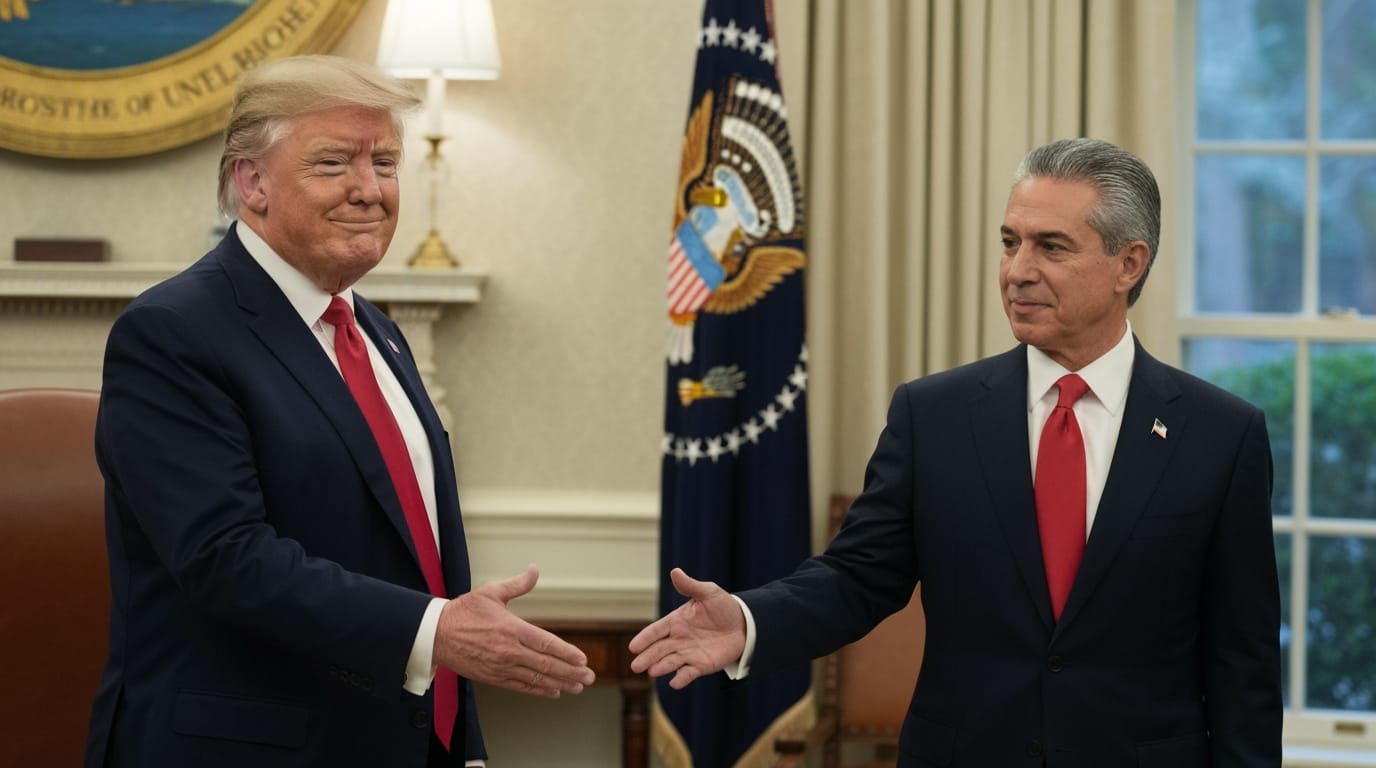
WASHINGTON D.C. — In a sudden and remarkable diplomatic reversal, President Donald Trump has extended an invitation to Colombian President Gustavo Petro for a meeting at the White House, just days after threatening the South American nation with military intervention and accusing its leader of illicit drug activities. This unexpected overture signals a significant shift in U.S.-Colombia relations, following months of escalating tensions and sharp rhetoric from the U.S. president.
The invitation, announced by President Trump on his social media platform, came Wednesday, January 7, 2026, shortly after a phone call between the two leaders. The dramatic change in tone has sent ripples through diplomatic circles, as observers attempt to decipher the implications for a crucial bilateral relationship traditionally centered on counternarcotics efforts and regional stability.
Diplomatic About-Face Follows Belligerent Rhetoric
President Trump's invitation marks a stark departure from his recent condemnations of President Petro and Colombia. Only days prior, Trump had made highly inflammatory statements, publicly accusing President Petro of "making cocaine and selling it to the United States" and asserting that "Colombia is very sick too". When pressed on the possibility of U.S. intervention, Trump reportedly responded, "Sounds good to me," igniting a diplomatic firestorm. These comments followed a U.S. operation aimed at ousting Venezuelan President Nicolás Maduro, an action that Petro had vociferously criticized as an "abhorrent" violation of Latin American sovereignty and a "spectacle of death".
However, the tone emanating from the White House shifted dramatically following the Wednesday phone call. President Trump posted on his social media that it was a "Great Honor" to speak with President Petro, who had called to address "the situation of drugs and other disagreements." Trump expressed appreciation for Petro's call and tone, stating his anticipation of a future meeting at the White House. This conciliatory message arrived amidst growing concern over the deteriorating relationship between the long-standing allies.
Escalating Tensions and Sanctions Set the Stage
The recent verbal sparring was not an isolated incident but rather the culmination of months of mounting friction between the Trump administration and President Petro's government. In October, the U.S. had imposed sanctions on President Petro, members of his family, and a government official, citing alleged involvement in the global drug trade. Further straining relations, the United States, in September, took the unprecedented step of adding Colombia to a list of nations deemed uncooperative in the war on drugs. This designation, the first in nearly 30 years for Colombia, resulted in a significant reduction of U.S. assistance to the country.
Colombia has historically been a cornerstone of U.S. foreign policy in Latin America, serving as Washington's most reliable partner in counternarcotics strategies. The nation remains the world's primary producer of cocaine, making the U.S.-Colombia partnership critical to international drug interdiction efforts. The Trump administration had initiated a month-long pressure campaign against Maduro by ordering targeted strikes on suspected drug smuggling vessels in the Caribbean originating from Venezuela, later expanding these operations to include vessels from Colombia in the eastern Pacific. These actions, coupled with Trump's direct attacks on Petro, had pushed the relationship to its lowest point in decades.
Petro Addresses Protesters, Reveals Call Details
While President Trump announced the invitation from Washington, President Petro was simultaneously addressing thousands of his supporters in Bogotá, who had gathered to protest Trump's earlier remarks and perceived military threats. Speaking to the crowd, Petro confirmed the roughly hour-long phone conversation with the U.S. President.
Petro informed the rallying demonstrators that their discussion primarily revolved around two critical issues: Venezuela and drug trafficking. He suggested to his audience that certain Colombian politicians, whom he alleged were linked to narco-trafficking, might have intentionally misled President Trump about his administration's record, thereby turning the U.S. President against him. Petro's willingness to engage in a direct, albeit tense, conversation with Trump while simultaneously mobilizing public support against perceived threats underscores the delicate balance his administration is attempting to strike between national sovereignty and diplomatic engagement.
Implications for a Vital Alliance
The sudden diplomatic pivot from confrontation to an invitation for dialogue carries significant implications for the future of U.S.-Colombia relations. For decades, the alliance has been a bedrock of stability and cooperation in a volatile region. The recent period of intense hostility threatened to unravel this partnership, potentially undermining critical counternarcotics initiatives and creating a vacuum that other regional actors might exploit.
A White House meeting between Trump and Petro could offer an opportunity to reset the relationship, clarify misunderstandings, and re-establish a framework for cooperation on shared challenges, including drug trafficking and regional security. However, the deep divisions highlighted by Trump's prior accusations and Petro's strong condemnation of U.S. actions in Venezuela suggest that any diplomatic resolution will require careful negotiation and a sustained commitment from both sides. The unpredictability of President Trump's foreign policy approach, as demonstrated by this rapid shift, will undoubtedly keep allies and adversaries alike closely watching the trajectory of this renewed engagement.
An Unpredictable Path Forward
The invitation of President Gustavo Petro to the White House by President Donald Trump represents a dramatic and unexpected turn in U.S.-Colombian diplomacy. From the brink of potential military confrontation and sanctions, the two leaders are now poised for direct talks. This rapid de-escalation, initiated by a phone call and culminating in a high-level invitation, highlights the fluid and often unpredictable nature of international relations. While the underlying issues of drug trafficking, regional influence, and differing geopolitical perspectives remain, the willingness of both leaders to engage in dialogue offers a fragile hope for rebuilding a critical alliance. The upcoming White House meeting will be a crucial test of whether this sudden shift in tone can translate into a more stable and constructive relationship between the United States and Colombia.


