U.S. Initiates Major Transfer of Islamic State Detainees from Syria to Iraq Amidst Regional Instability
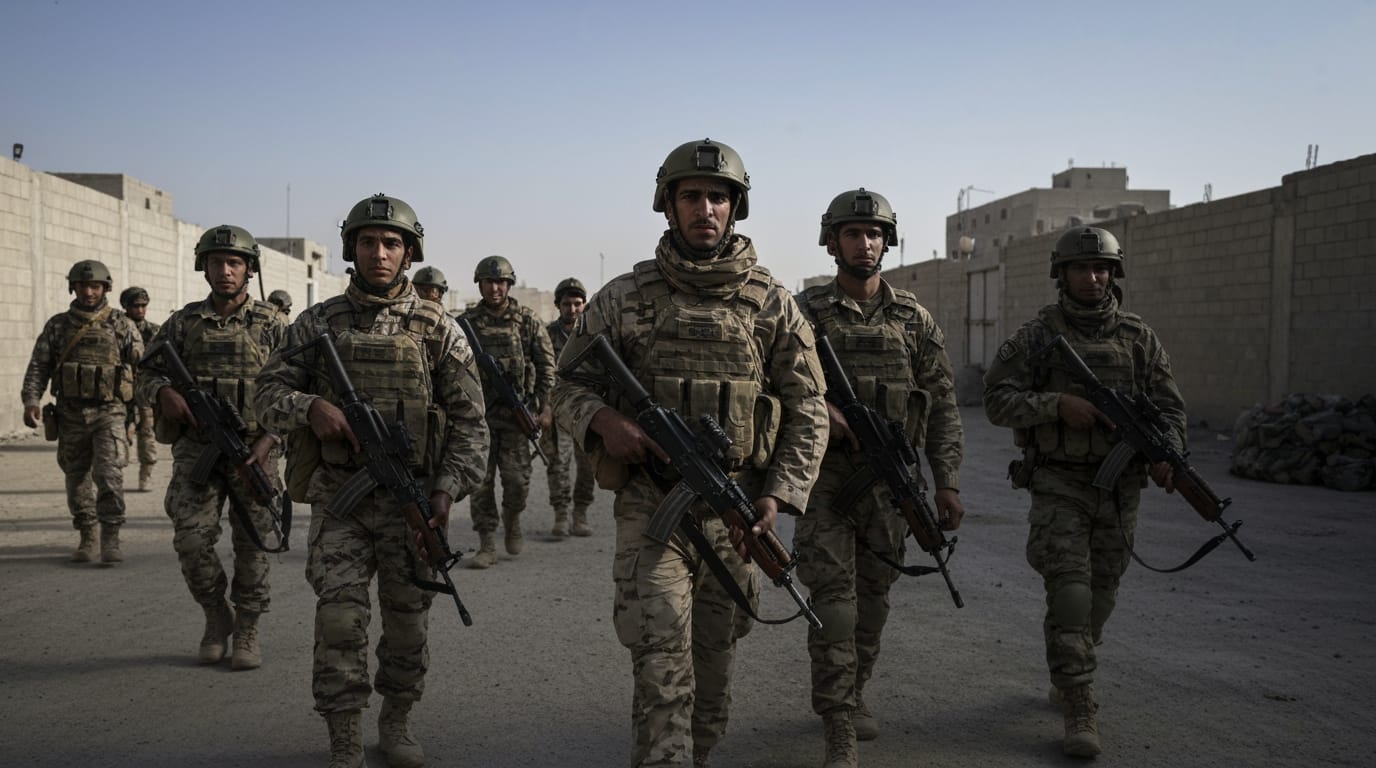
AL-HOL, Syria – The United States military has commenced a significant operation to transfer thousands of Islamic State (IS) group detainees from northeastern Syria to facilities in Iraq, a move driven by an increasingly volatile security landscape in the region. The initial phase of the transfer saw 150 alleged IS members moved from Syria’s Hasakah province to "secure locations" in Iraq on Wednesday, January 21, 2026. U.S. Central Command (CENTCOM) has indicated that up to 7,000 detainees could ultimately be relocated to Iraqi-controlled facilities, underscoring a critical shift in the management of high-value extremists previously held by U.S.-backed Syrian Democratic Forces (SDF).
The operation comes at a pivotal moment, as Syrian government forces assert greater authority over territories previously held by the SDF, leading to heightened clashes and concerns over the security of detention centers. U.S. officials emphasize that the transfers are crucial for preventing potential breakouts that could re-energize the remnants of the Islamic State and pose a direct threat to regional and international security.
Shifting Alliances and Security Imperatives in Northeast Syria
The decision to initiate the large-scale transfer follows a period of escalating tensions and instability in northeastern Syria. For years, the Kurdish-led Syrian Democratic Forces, a key U.S. partner in the fight against IS, maintained control over a dozen detention facilities housing an estimated 9,000 male IS members, along with tens of thousands of women and children linked to the group in sprawling camps like al-Hol and Roj. These detention sites have long been a source of international concern due to their overcrowded conditions and the risk of radicalization, with security experts warning they could become breeding grounds for future extremist activities.
Recent developments have dramatically altered the security calculus. Syrian government forces have advanced into areas previously controlled by the SDF, prompting the withdrawal of Kurdish fighters from several key locations. This shift in control has raised serious alarms regarding the stability of prisons holding IS militants. A recent incident at Shaddadi prison saw approximately 200 detainees escape amidst the chaos, although Syrian government forces later recaptured about 130 of them. Similarly, SDF forces withdrew from the al-Hol camp after facing gunfire from Syrian government forces, though a ceasefire was subsequently declared.
U.S. Special Envoy to Syria, Tom Barrack, stated that the SDF's role as the primary anti-IS force has "largely expired," with Damascus now willing and positioned to assume security responsibilities. This evolving dynamic, coupled with concerns about the Syrian government's capacity to adequately guard the prisoners, has been a primary catalyst for the U.S.-led transfer to Iraq. CENTCOM Commander Adm. Brad Cooper highlighted the necessity of an "orderly and secure transfer" to avert potential breakouts that could severely undermine counter-terrorism efforts.
Iraq's Enduring Burden and Human Rights Scrutiny
The transfer of thousands of IS detainees places a significant burden on Iraq, a nation still grappling with the aftermath of the Islamic State's territorial defeat in 2017. While Iraq has coordinated with the U.S. and expressed appreciation for their role in the enduring defeat of IS, the logistical, judicial, and security challenges associated with absorbing such a large number of high-risk individuals are substantial. The Iraqi government has stated its readiness to take over prisons housing IS members, with Defense Ministry spokesman Brig. Gen. Hassan Abdul-Ghani affirming their direct confrontation with the group.
However, the human rights implications of these transfers have drawn considerable attention. Reports from human rights organizations, including Amnesty International, have documented instances of torture and unfair trials in Iraqi detention facilities, particularly for individuals suspected of IS affiliation. Detainees transferred from Syrian camps to Iraq have reportedly faced severe beatings, electric shocks, stress positions, and forced submersion during interrogations. These concerns are exacerbated by the fact that some foreign detainees have been tried in Iraq based on alleged IS membership, with some reporting due process violations.
Since 2021, Iraq has already repatriated an estimated 9,500 people from the al-Hol camp, with plans to significantly increase these returns by the end of 2027. Iraqi officials have indicated that the transferred individuals include various nationalities, with a notable number of Tunisians, Tajiks, Kazakhs, and Syrians. These individuals are expected to undergo interrogation and trial, with an Iraqi intelligence general describing them as "commanders in ISIS and... highly dangerous".
The Broader Context: Foreign Fighters and Repatriation Challenges
The ongoing transfer operation underscores the persistent global challenge posed by foreign fighters who joined IS. Despite the group's territorial defeat, its sleeper cells continue to operate and carry out attacks in both Iraq and Syria. The presence of thousands of foreign nationals in detention in Syria has long been a complex issue, with many countries reluctant to repatriate their citizens due to security concerns and the complexities of prosecution.
International humanitarian law suggests that states of origin bear a responsibility to repatriate their nationals involved in foreign armed conflicts. United Nations Security Council resolutions have called on member states to develop and implement comprehensive strategies for the prosecution, rehabilitation, and reintegration of foreign terrorist fighters and their families. However, the implementation of such strategies has been uneven, leaving the burden largely on countries like Iraq and the local Syrian authorities. Rehabilitation efforts are underway in camps like al-Hol and Roj, focusing on dialogue and skill-building to facilitate future reintegration into society.
The US withdrawal from Iraqi airbases, agreed upon between US and Iraqi authorities since 2024, also adds another layer to the regional security dynamics. This redeployment, occurring concurrently with the detainee transfers, signals a recalibration of the US military presence in the broader fight against IS.
A Precarious Path Forward
The transfer of IS fighters from Syria to Iraq represents a critical, albeit precarious, phase in the ongoing effort to contain the threat posed by the Islamic State. While aimed at ensuring the secure detention of dangerous individuals, the operation highlights the fragility of security arrangements in a war-torn region and the ethical dilemmas inherent in managing a global terrorist threat. The success of this endeavor will depend heavily on Iraq's capacity to maintain secure facilities, conduct fair trials, and implement effective rehabilitation and reintegration programs, all while adhering to international human rights standards.
The international community continues to grapple with the long-term implications of foreign fighters and their families. The U.S. initiative, while addressing immediate security concerns in Syria, shifts a significant portion of this enduring challenge onto Iraq. The coming months will reveal the true extent of the success or challenges associated with this monumental undertaking, as regional players and international observers closely monitor the fate of thousands of individuals whose past actions have irrevocably shaped the course of the Middle East.


