U.S. Initiates Sweeping Trade Probes, Signaling Potential for Fresh Tariffs
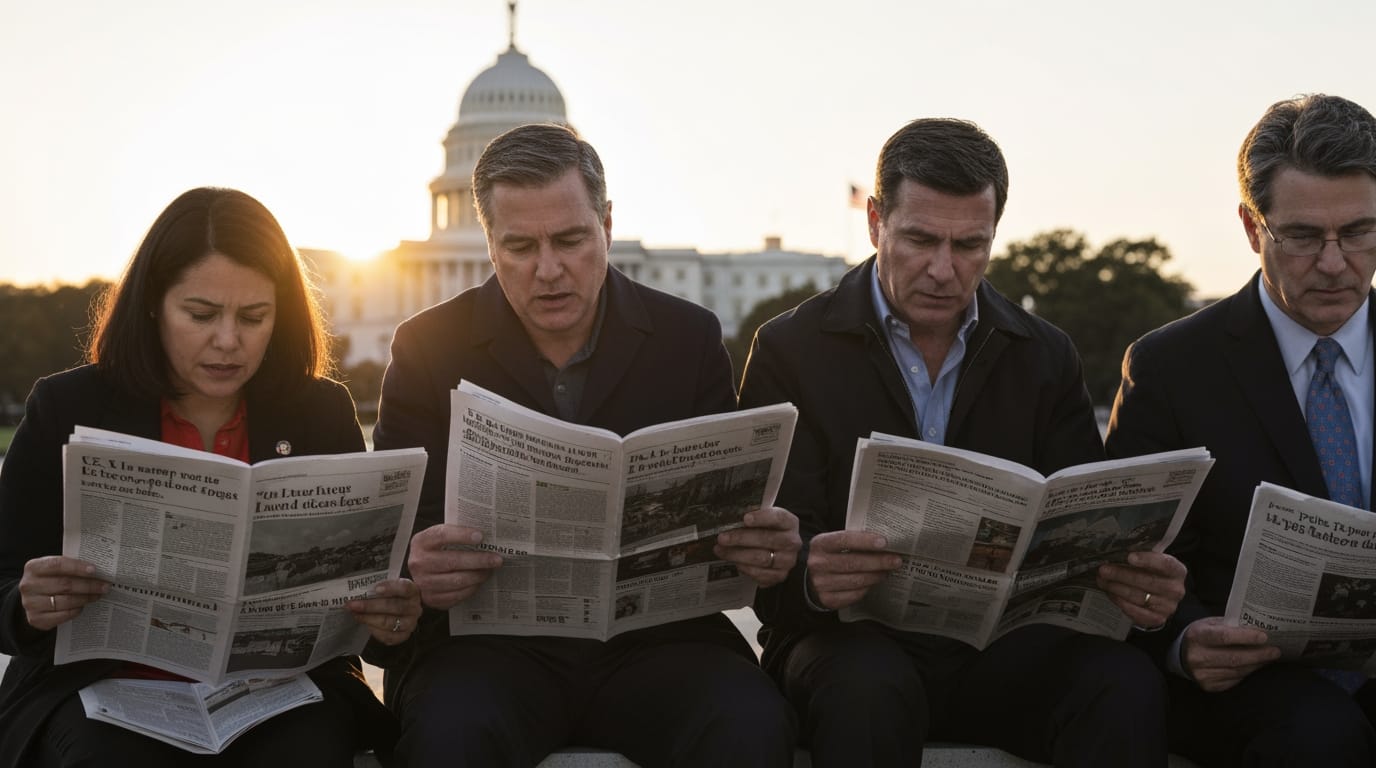
WASHINGTON D.C. – The United States has launched a series of expansive trade investigations that could pave the way for a new wave of tariffs on imports from numerous nations, marking a significant escalation in global trade policy. This aggressive move, undertaken by the Trump administration through Section 301 of the Trade Act of 1974, follows a recent Supreme Court decision that invalidated elements of previous tariff programs, prompting the administration to seek alternative legal avenues to address perceived unfair trade practices. U.S. Trade Representative Jamieson Greer announced the probes, emphasizing the administration's commitment to safeguarding American employment and ensuring equitable trade relationships, a stance that has immediately heightened global trade tensions and raised concerns about potential disruptions to international supply chains.
The decision to initiate these new probes stems directly from a February Supreme Court ruling that overturned parts of President Donald Trump's earlier tariff system. With hundreds of billions in potential revenue lost and a firm policy commitment to protecting domestic industries, the administration has pivoted to Section 301 as a robust legal pathway for implementing new import duties. USTR Greer clarified that while the tools may adapt to legal precedents, the core policy of addressing trade imbalances remains unchanged. The investigations are designed to examine whether state-backed overproduction in foreign economies is distorting global markets and harming American industry, effectively setting the stage for potential punitive measures if unfair practices are confirmed.
The current initiative encompasses two distinct but related investigations. The primary probe targets "structural excess capacity and production" in several manufacturing sectors across 16 major trading partners. This extensive list includes economic giants like China, the European Union, Japan, and India, alongside countries such as Mexico, Vietnam, Taiwan, Singapore, Switzerland, Norway, Indonesia, Malaysia, Cambodia, Thailand, South Korea, and Bangladesh. Officials will meticulously scrutinize whether government support in these nations provides foreign manufacturers with undue competitive advantages over U.S. businesses, leading to oversupply that floods international markets. A second, equally significant Section 301 probe is anticipated to launch imminently, focusing on goods manufactured with forced labor. This investigation is expected to be even broader in scope, potentially covering approximately 60 countries and underscoring a deepening commitment to addressing human rights issues within global trade.
The prospect of renewed tariffs has sent ripples of concern across global markets and diplomatic circles. Economists and industry analysts are closely watching for potential tariffs, which could be implemented as early as this summer, according to statements from USTR Greer. Such measures could lead to significant disruptions in global supply chains, exert pressure on export-driven Asian markets, and introduce volatility into currencies and industrial commodities. The timing of these investigations also adds a layer of complexity, unfolding amidst ongoing international conflicts and in the lead-up to midterm elections. This confluence of events suggests that the administration may be keen to demonstrate decisive action on trade policy, potentially influencing political narratives and voter sentiment.
The current investigations operate under the broad authority of Section 301 of the Trade Act of 1974, which empowers the U.S. President to impose trade penalties following an official inquiry into unfair trade practices. This legal framework has been a cornerstone of U.S. trade enforcement for decades, allowing the executive branch considerable leverage to respond to trade policies deemed detrimental to American interests. While USTR Greer has refrained from speculating on the precise outcomes or whether penalties would vary by country, the administration's stated resolve to "protect American jobs" and ensure "fair trade" signals a readiness to impose tariffs if deemed necessary. The administration is also working under a timeline pressure, as existing 10% tariffs on foreign goods under Section 122 of the 1974 Trade Act are set to expire in July.
In essence, these newly launched trade probes represent a determined effort by the Trump administration to reassert its influence over global trade, adapting its strategies in response to legal challenges and evolving economic realities. The breadth of the investigations, encompassing manufacturing overcapacity and forced labor across a vast array of trading partners, indicates a comprehensive approach to addressing issues the U.S. views as critical to its economic security and domestic employment. As the investigations progress, the global community will be closely watching for the potential imposition of new tariffs and the ensuing impact on international trade relations and economic stability.


