U.S. Moves to Secure \$3 Billion in Venezuelan Oil, Sparking International Debate
WASHINGTON D.C. — The United States has announced plans to secure a substantial quantity of Venezuelan crude oil, potentially valued at up to $3 billion, a move framed by the Trump administration as a mechanism to benefit the people of Venezuela and the U.S. This latest development represents a significant escalation in the ongoing geopolitical struggle over Venezuela's vast energy reserves, intertwining economic sanctions, political leverage, and international law. The proposed transfer involves 30 million to 50 million barrels of blockaded crude, which President Donald Trump stated would be controlled by the U.S. to ensure its intended use. The announcement has immediately drawn international scrutiny, raising questions about national sovereignty and the future of Venezuela’s oil industry.
A Decades-Long Descent into Crisis and Sanctions
Venezuela, once a prosperous nation with the world's largest proven oil reserves, has been in a severe economic and humanitarian crisis for years. Mismanagement, corruption, and a steep decline in oil production under Nicolás Maduro's leadership have devastated its economy, with oil exports typically accounting for over 90% of the country's foreign exchange earnings. This deterioration intensified under the Trump administration, which pursued a "maximum pressure" campaign against Maduro's government.
In January 2019, the U.S., alongside dozens of other countries, recognized opposition leader Juan Guaidó as Venezuela's interim president, deeming Maduro's re-election illegitimate. This diplomatic shift was quickly followed by sweeping economic sanctions targeting Venezuela's state-owned oil company, Petróleos de Venezuela S.A. (PDVSA), a critical source of revenue for the Maduro regime. These sanctions prohibited Venezuela's access to U.S. financial markets and froze approximately $7 billion of PDVSA's U.S. assets. Crucially, they prevented PDVSA from being paid for its petroleum exports to the U.S., with funds instead directed into escrow accounts, intended to be safeguarded for a future democratic government.
Another cornerstone of the U.S. strategy involved CITGO, PDVSA's U.S. refining subsidiary. The Trump administration took steps to transfer control of CITGO from the Maduro government to the Guaidó-led opposition, forbidding CITGO from remitting profits to PDVSA and enabling the opposition to appoint a new board of directors. This strategic move aimed to deny critical financial resources to the Maduro regime and instead vest control of valuable assets, with annual sales exceeding $23 billion, in the hands of the interim government.
The $3 Billion Oil Transfer: A New Chapter in Asset Control
The latest development in this protracted struggle centers on a potential $3 billion transfer of Venezuelan crude oil to the United States. President Trump announced that Venezuela would hand over 30 million to 50 million barrels of blockaded crude, currently stranded in tankers and storage facilities, to the U.S. The stated purpose is for the U.S. president to control these funds, ensuring they benefit both the Venezuelan people and the United States.
This move occurs amid an intense U.S. pressure campaign, which has included naval blockades and seizures of oil tankers. The U.S. has intercepted vessels and targeted firms involved in evading sanctions, aiming to choke off revenue streams to the Maduro government. The proposed $3 billion oil acquisition appears to be a direct consequence of these ongoing efforts to control Venezuelan oil resources.
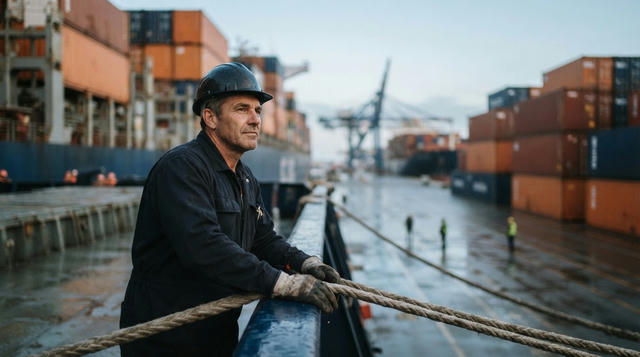
The logistics of such a transfer involve taking oil directly from storage ships and delivering it to U.S. ports. This highlights the administration's intent to assert direct control over a portion of Venezuela's oil output, bypassing traditional market mechanisms that would typically benefit the current regime.
Sovereignty Concerns and Skepticism from the Oil Sector
The announcement of the $3 billion oil acquisition has not been without controversy. China's foreign ministry quickly asserted that Venezuela holds "full and permanent sovereignty over its natural resources and economic activities," characterizing U.S. demands as a violation of international law and an infringement on Venezuela's sovereignty. This sentiment underscores broader concerns about the legality and international implications of seizing or unilaterally managing another nation's assets, especially when the United Nations still recognizes the Maduro government.
Within the U.S. itself, there is skepticism regarding the long-term viability and ease of integrating Venezuelan oil into the U.S. market and attracting significant private investment. While Venezuela possesses vast reserves, its oil industry has suffered from decades of underinvestment, mismanagement, and the deterioration of infrastructure. Experts indicate that rehabilitating Venezuela's oil production capacity would require tens of billions of dollars in investment over multiple years, along with political and legal stability. U.S. oil companies, many of whom had assets nationalized by Venezuela in 2007, are cautious about re-entering the market without clear guarantees regarding the legal framework, stability, and compensation for past expropriations. President Trump has suggested that U.S. taxpayers could "reimburse" corporations for costs incurred in taking over and rebuilding Venezuela's oil industry, offering a "no-risk guarantee" to entice investment. However, the industry remains wary of the significant challenges involved.
Furthermore, Venezuelan heavy crude, while appealing to U.S. refineries, is expensive and complex to produce and refine, often trading at a discount compared to lighter crudes. This economic reality adds another layer of complexity to the prospect of rapid expansion, even with potential U.S. investment.
Humanitarian and Geopolitical Reverberations
The ultimate impact of the U.S. securing $3 billion in Venezuelan oil remains to be seen. On one hand, proponents argue that diverting these funds from the Maduro regime could further cripple its ability to maintain power and potentially alleviate the humanitarian crisis by directing resources towards the Venezuelan people. The existing sanctions and asset freezes have aimed to prevent the regime from "looting the assets of the Venezuelan people." The U.S. State Department has characterized such transfers as an attempt to safeguard assets for the benefit of Venezuelans.
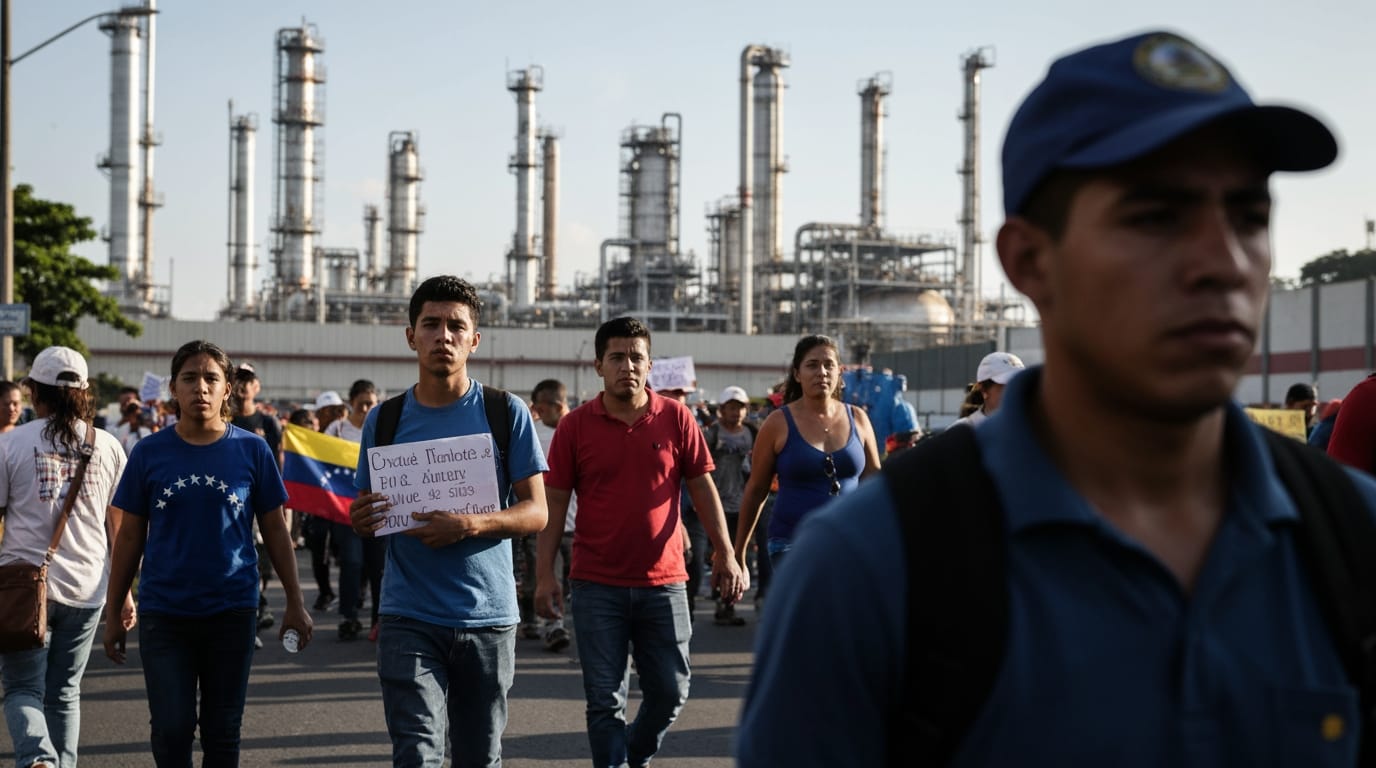
However, the prolonged economic pressure, while aimed at Maduro, has undeniably deepened the humanitarian crisis, leading to mass migration and severe shortages of basic necessities. The complex interplay of sanctions, political instability, and resource control continues to shape the daily lives of millions of Venezuelans.
Geopolitically, this latest move underscores the U.S.'s assertive stance in Latin America, particularly concerning natural resources. It also highlights the tension between U.S. foreign policy objectives and the principles of national sovereignty, drawing reactions from global players like China. The unfolding situation with this $3 billion oil transfer will serve as a critical test of international legal norms, the efficacy of economic sanctions as a tool of foreign policy, and the volatile future of Venezuela's vast but beleaguered oil wealth.