U.S. Proposes Sweeping Tariffs on 60 Nations Over Forced Labor Concerns
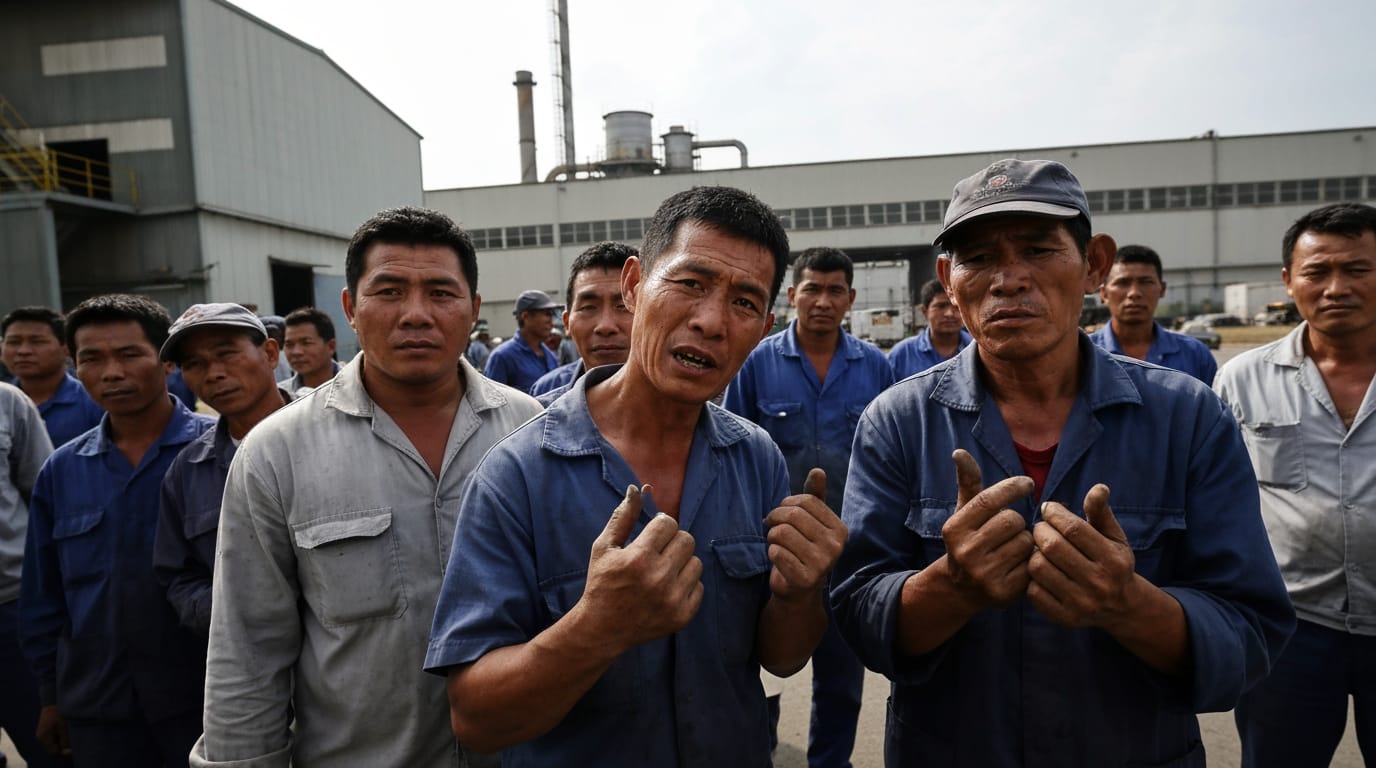
WASHINGTON — The United States has unveiled plans to impose additional tariffs on imports from 60 countries, including major trading partners such as China, India, and the European Union, citing their alleged failure to adequately prohibit the entry of goods produced with forced labor. The proposed duties, ranging from 10% to 12.5%, mark a significant escalation in the U.S. strategy to combat human exploitation within global supply chains, leveraging Section 301 of the Trade Act of 1974 to reshape international trade practices. This aggressive move, announced by the U.S. Trade Representative (USTR), aims to level the economic playing field for American businesses and workers, who the administration argues are unfairly disadvantaged by foreign competitors benefiting from forced labor.
The decision follows extensive investigations initiated in March 2026, assessing whether these 60 economies effectively enforce prohibitions on forced labor imports. The USTR asserts that lax enforcement abroad allows products made under coercive conditions to enter global commerce, undermining ethical production standards and creating an "unreasonable and burdens or restricts U.S. commerce." While the tariffs are still subject to public comment and review, with hearings scheduled, their implementation could trigger substantial shifts in global sourcing and trade relations.
A New Era of Trade Enforcement Targets Forced Labor
The USTR's proposal introduces a two-tiered tariff system based on a country's existing commitment to combating forced labor imports. Countries that already have some form of forced labor import prohibition in place, or have committed to implementing such measures through trade agreements, could face an additional tariff of 10%. This category includes nations such as Canada, Ecuador, the European Union, Indonesia, Mexico, Pakistan, Argentina, Bangladesh, Cambodia, El Salvador, Guatemala, Malaysia, Taiwan, and the United Kingdom. Conversely, other economies, deemed to have made fewer efforts in this regard, may face a higher additional duty of 12.5%. This higher tariff rate could be applied to imports from countries including Australia, China, India, Japan, South Korea, Brazil, Russia, and Switzerland.
Notably, the investigations underpinning these tariffs do not primarily allege the existence of forced labor within the targeted economies themselves. Instead, the focus is on their failure to enact or adequately enforce prohibitions against the importation of goods produced with forced labor. This distinction underscores a critical aspect of the U.S. policy: holding trading partners accountable for allowing forced-labor-tainted goods, regardless of origin, to enter their markets and subsequently, potentially, the global supply chain, ultimately reaching the United States.
Historical Context and the Global Scourge of Forced Labor
The United States has a long-standing commitment to combating forced labor in trade, dating back to the Tariff Act of 1930, which prohibited the import of goods made wholly or in part by forced labor. This foundational law was strengthened by the Trade Facilitation and Trade Enforcement Act of 2015, which closed a loophole that had previously allowed such imports if domestic demand could not be met. More recently, the Uyghur Forced Labor Prevention Act (UFLPA) of 2021 established a rebuttable presumption that all goods from the Xinjiang Uyghur Autonomous Region of China are products of forced labor and thus prohibited from entry into the U.S. market.
Despite these legislative efforts, forced labor remains a pervasive global issue. Estimates from 2022 by the International Labor Organization (ILO), Walk Free, and the International Organization for Migration indicate that approximately 28 million people worldwide are subjected to forced labor, a stark increase of 3 million since 2016. This human exploitation generates an estimated $236 billion in illegal profits annually, creating an unfair competitive advantage for those who profit from it. The U.S. government views the failure of its trading partners to enforce their own import prohibitions as contributing to this global problem, directly impacting American businesses that adhere to ethical labor standards.
Economic Ramifications and International Responses
The proposed tariffs are anticipated to have significant economic consequences for both the targeted nations and U.S. businesses. Companies with global sourcing operations, particularly those relying on supply chains in the affected countries, could face higher costs and increased compliance burdens. Industry responses have been varied; while some stakeholders broadly support efforts to address forced labor, concerns have been raised about the potential for blanket tariffs to disrupt compliant supply chains and impose unnecessary costs without effectively eradicating the problem. The luxury goods industry, for example, highlighted the risk of restricting access to legitimate supply chains.
Economists have also cautioned that tariffs generally lead to higher prices for consumers and can impede economic growth. Studies suggest that a significant portion of tariff burdens often falls on the importing country's businesses and consumers, rather than exclusively on foreign exporters. Furthermore, such widespread tariffs risk provoking retaliatory measures from affected trading partners, potentially disrupting global trade flows and straining diplomatic relationships. There are also concerns that sudden shifts in sourcing due to tariffs could inadvertently harm workers in affected regions if companies drastically reduce orders or cease production.
To mitigate some impacts, the USTR has indicated a special textile mechanism is under consideration. This provision would allow a specified volume of apparel and textile imports from certain economies to enter the U.S. market at a reduced Section 301 tariff rate. Additionally, some agricultural products, including beef, tomatoes, and coffee, may be exempt from the new duties.
A Strategic Pivot in U.S. Trade Policy
The initiation of these Section 301 investigations and the subsequent proposal for tariffs represent a calculated strategic adjustment by the U.S. administration. This approach allows the executive branch to impose trade restrictions in response to foreign trade practices deemed unfair or burdensome to U.S. commerce. This move comes after a Supreme Court ruling earlier this year struck down previous broad tariffs imposed under the International Emergency Economic Powers Act (IEEPA), compelling the administration to seek alternative legal frameworks for maintaining tariff pressure. By utilizing Section 301, the U.S. aims to establish a more legally robust and sustainable mechanism for its trade enforcement agenda.
The comprehensive nature of this initiative, covering a vast array of countries and applying two different tariff rates, underscores the administration's determination to integrate forced labor prevention deeply into its broader trade policy. The U.S. Trade Representative has stated that "each of our trading partners must do more to ensure that trade does not perversely encourage and entrench forced labor globally." This signals a long-term commitment to using trade tools to push for higher labor standards across international supply chains, framing ethical sourcing not only as a human rights imperative but also as an economic fairness issue.
Conclusion
The proposed U.S. tariffs on 60 countries for their alleged failures to enforce prohibitions against forced labor imports signify a bold and expansive step in global trade policy. Rooted in longstanding U.S. legislation against forced labor and driven by a desire to level the economic playing field, these tariffs could redefine international trade relationships. While the initiative is lauded by advocates for its strong stance against human rights abuses and unfair competition, it also presents complex economic challenges, including potential supply chain disruptions, increased consumer costs, and the risk of retaliatory trade actions. As the public comment period proceeds and international reactions unfold, the full implications of this ambitious policy remain to be seen, promising a period of adjustment and uncertainty in global commerce.


