Udo Kier, German Acting Icon of Avant-Garde and Mainstream Cinema, Dies at 81
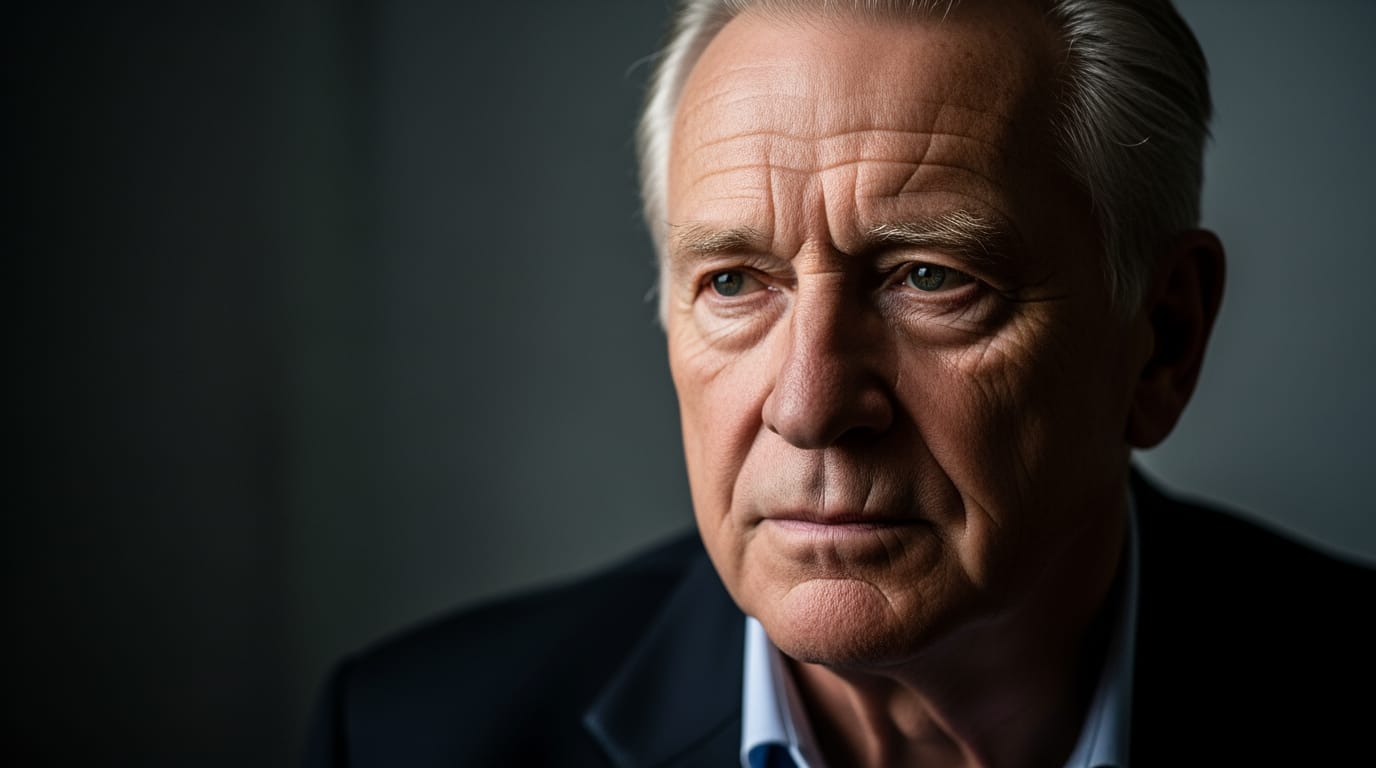
Udo Kier, the legendary German actor renowned for his piercing gaze, distinctive presence, and fearless embrace of eccentric roles across more than 200 films, died Sunday, November 23, 2025, in Rancho Mirage, California. He was 81. His partner, artist Delbert McBride, confirmed his passing, which occurred at a local hospital. No cause of death was immediately disclosed. Kier’s six-decade career cemented his status as a cult icon, moving seamlessly between the gritty European arthouse circuit and prominent Hollywood blockbusters, leaving an indelible mark on cinematic history.
Early Life Forged in Wartime Germany
Born Udo Kierspe in Cologne, Germany, on October 14, 1944, Kier’s entry into the world was as dramatic as many of his later on-screen performances. The hospital where he was born was bombed by Allied forces just moments after his birth, requiring him and his mother to be dug from the rubble. Growing up in post-war Germany without a father, Kier described his childhood as "horrible," recalling a family that lived in poverty and lacked basic amenities like hot water until he was 17. As a teenager, he worked in a factory, driven by a desire to escape his challenging circumstances. This period also saw him begin modeling and, significantly, form an early friendship with a young Rainer Werner Fassbinder, a director with whom he would later collaborate extensively. At 19, Kier moved to London to study acting and English, supporting himself as a waiter before being discovered in a coffee shop, a chance encounter that launched his acting career. His film debut came in 1966 with the short film "Road to Saint Tropez."
From Cult Horror to Arthouse Muse
Kier's early career saw him gravitate towards provocative and experimental cinema. His breakout roles arrived in the early 1970s with two films produced by Andy Warhol's Factory and directed by Paul Morrissey: "Flesh for Frankenstein" (1973) and "Blood for Dracula" (1974). These roles, often featuring his signature blend of intensity and vulnerability, established him as a distinctive figure in the horror genre and earned him cult status. For "Blood for Dracula," Kier underwent a drastic diet of only water and salad leaves to achieve a gaunt appearance, leaving him so weak he relied on a wheelchair between takes.
His unique aesthetic and unwavering commitment to his characters made him a sought-after collaborator for some of the most influential directors of his generation. He reunited with childhood friend Rainer Werner Fassbinder for several projects, including "The Third Generation" and "Berlin Alexanderplatz." In the 1980s, Kier began a long and fruitful partnership with Danish provocateur Lars von Trier, becoming a staple in films such as "Epidemic," "Europa," "Dancer in the Dark," "Dogville," "Melancholia," and "Nymphomaniac." He was also notably godfather to von Trier's son. Beyond these enduring collaborations, Kier worked with a diverse array of esteemed filmmakers, including Gus Van Sant ("My Own Private Idaho"), Dario Argento ("Suspiria"), Werner Herzog, Wim Wenders, and Rob Zombie, showcasing his remarkable versatility.
A Prolific Career Spanning Genres and Continents
Kier's career was marked by an astonishing prolificacy, amassing more than 220 film and television credits throughout his life. While celebrated in the arthouse world, he also made memorable appearances in a variety of mainstream Hollywood productions, often bringing his singular, unsettling charisma to supporting roles. American audiences recognized him in films like "Ace Ventura: Pet Detective," "Armageddon," "Blade," "Johnny Mnemonic," and "The Adventures of Pinocchio." His ability to switch between intense dramatic performances and darkly comedic turns was a hallmark of his craft.
Beyond traditional film, Kier also ventured into other forms of media. He appeared in several high-profile music videos for artists such as Madonna ("Erotica," "Deeper and Deeper"), Korn, and Eve. He lent his distinctive voice to video games, including "Command & Conquer: Red Alert 2" and "Call of Duty: WWII." His final credited role was in the 2025 Brazilian political thriller "The Secret Agent." Tragically, he was slated to collaborate with acclaimed video game director Hideo Kojima on the upcoming horror title "OD," but was unable to film his scenes due to production delays.
An Unforgettable Legacy
Udo Kier was openly gay throughout his career, a fact he said never hindered his professional life. "No one ever asked," he recounted in a 2021 interview. "Maybe it was obvious, but it didn't make any difference because all that mattered was the role I was playing." He resided in Palm Springs, California, since 1991, and was a frequent, beloved presence at the annual Palm Springs International Film Festival.
His later career continued to bring him critical acclaim, notably a nomination for the Independent Spirit Award for Best Male Lead for his elegiac performance in "Swan Song" (2021). He also received a Special Teddy Award at the 65th Berlin International Film Festival in 2015, recognizing his contributions to queer cinema. Kier's legacy is defined by his fearlessness in portraying complex, often unsettling, characters and his dedication to challenging artistic boundaries. He was not just an actor but a cinematic phenomenon, capable of elevating even the smallest parts with his unique intensity and piercing blue eyes. His passing marks the end of an era for cinema, leaving behind a body of work as bold, unconventional, and unforgettable as the man himself.