Uganda's Tense Election Marred by Nationwide Internet Blackout
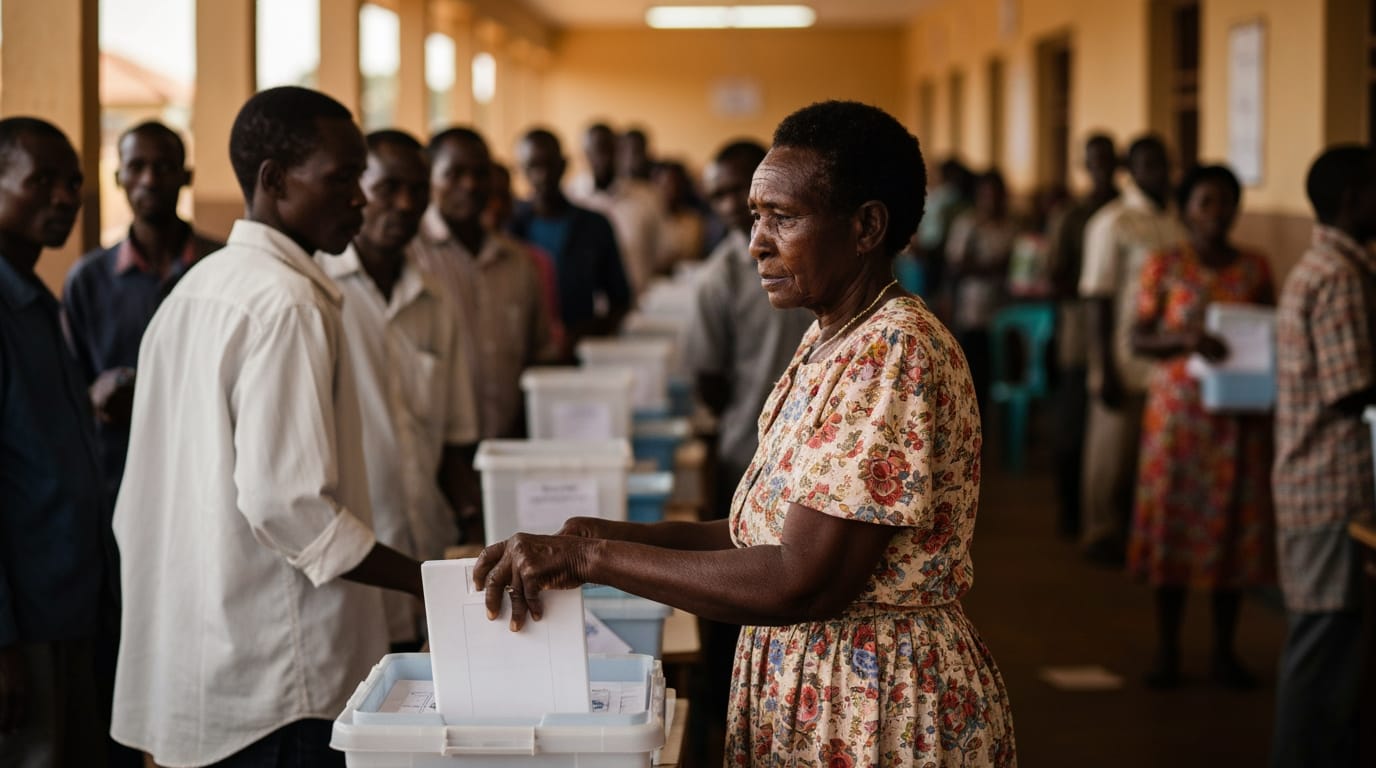
Kampala, Uganda – As Ugandans headed to the polls on January 14, 2021, to cast their votes in a highly anticipated general election, a pervasive internet blackout plunged the nation into a digital dark age, raising serious concerns about the integrity and transparency of the electoral process. The nationwide shutdown, ordered by the Uganda Communications Commission (UCC), effectively isolated citizens from critical information, severely hampered independent monitoring efforts, and disrupted daily economic activities across the East African nation during a pivotal moment in its political landscape.
The Information Vacuum: Election Day Under Digital Darkness
The digital curtain descended on Uganda on the eve of the election, January 13, 2021, at approximately 7 p.m. local time, continuing for roughly four days until January 18, 2021. The directive from the Uganda Communications Commission instructed telecommunications operators and internet service providers to suspend all internet gateways and associated access points. This sweeping measure cut off access to mobile data and wireless connections, blocking popular social media platforms such as Facebook, Twitter, and Instagram, along with messaging applications and even over 100 Virtual Private Networks (VPNs) that many citizens attempted to use to circumvent the restrictions.
Government officials, including presidential spokesman Ofwono Opondo, justified the shutdown by citing the need to prevent "misinformation" and "incitement to violence" during the election period. President Yoweri Museveni also reportedly stated that the blockage of social media was in retaliation for Facebook's removal of pro-government accounts, which he described as "arrogance" and interference with the election. However, these explanations followed earlier denials by government officials, including the Ministry of ICT and the UCC, who had publicly dismissed rumors of an impending shutdown as "false and misleading" just a week prior to its implementation.
A Contested Mandate: The Candidates and Campaign Trail
The 2021 general election pitted incumbent President Yoweri Museveni, 81 at the time and in power since 1986 under the National Resistance Movement (NRM), against a field of ten challengers. His most prominent opponent was Robert Kyagulanyi Ssentamu, widely known as Bobi Wine, a 38-year-old singer-turned-politician representing the National Unity Platform (NUP). Wine's popularity, particularly among Uganda's youthful demographic, presented a significant challenge to Museveni's decades-long rule. Other notable candidates included Patrick Amuriat of the Forum for Democratic Change (FDC) and Mugisha Muntu.
The campaign leading up to the vote was characterized by intense rhetoric and, at times, violence. Security forces frequently clashed with opposition supporters, opening fire at Bobi Wine's campaign events and arresting hundreds of his followers. The United Nations Human Rights Office expressed concerns about "widespread repression and intimidation" during the pre-election period. The government defended the actions of its security forces as necessary responses to what it termed "lawless conduct" by opposition supporters.
Far-Reaching Impact: Disrupting Daily Life and Democratic Scrutiny
The internet blackout had profound and immediate consequences beyond the political sphere. Economically, the shutdown paralyzed critical services such as mobile money, which is widely used for daily transactions, utility payments, school fees, and accessing healthcare. The disruption halted businesses, impacted transportation services that rely on internet-based ride-sharing applications, and was estimated to have cost the Ugandan economy approximately USD 10 million. This financial blow occurred while Ugandans were also navigating the challenges of the COVID-19 pandemic, where internet access had become an essential tool for communication and information.
From a democratic standpoint, the internet shutdown significantly hampered the ability of election observers, both local and international, media outlets, and civil society organizations to monitor the electoral process in real-time. The inability to share information and observations transparently raised serious questions about the fairness and legitimacy of the polls. Critics argued that the blackout was a deliberate tactic to obscure potential irregularities and control the narrative surrounding the election results, thereby undermining public confidence and violating fundamental human rights.
A Pattern of Control: Historical Context and International Reactions
The 2021 internet shutdown was not an isolated incident but rather part of a troubling pattern in Uganda. The country had previously implemented similar social media and internet blockages during the 2016 general elections, as well as during post-election protests. This history underscores a recurring strategy of information control during sensitive political moments.
Following the election, the Electoral Commission declared President Museveni the winner with 58.38% of the vote, while Bobi Wine garnered 35.08%. The official voter turnout was reported as 57%, though this figure was met with skepticism, particularly due to reports of 409 polling stations recording a 100% voter turnout. International observers and bodies expressed concern; the U.S. State Department characterized the electoral process as "fundamentally flawed," and Africa Elections Watch noted observing irregularities. Bobi Wine himself vehemently rejected the results, calling it "the most fraudulent election in the history of Uganda."
Conclusion: Questions of Democratic Integrity in a Digital Age
The 2021 Ugandan general election, held under the shadow of a comprehensive internet blackout, brought into sharp focus the critical role of information access in modern democratic processes. While the government cited national security and the prevention of misinformation as its rationale, critics widely condemned the shutdown as an egregious violation of human rights and a deliberate act to suppress dissent and impede transparency. The economic disruption and the silencing of crucial communication channels had far-reaching consequences for millions of Ugandans, impacting their daily lives and their ability to participate fully in their nation's political future. The event served as a stark reminder of the global debate surrounding digital rights, the challenges of electoral integrity, and the persistent tension between state control and the free flow of information in a rapidly digitizing world.


