Ukraine Endures: Unbending Against Russia's Assault and Winter's Cruel Grip
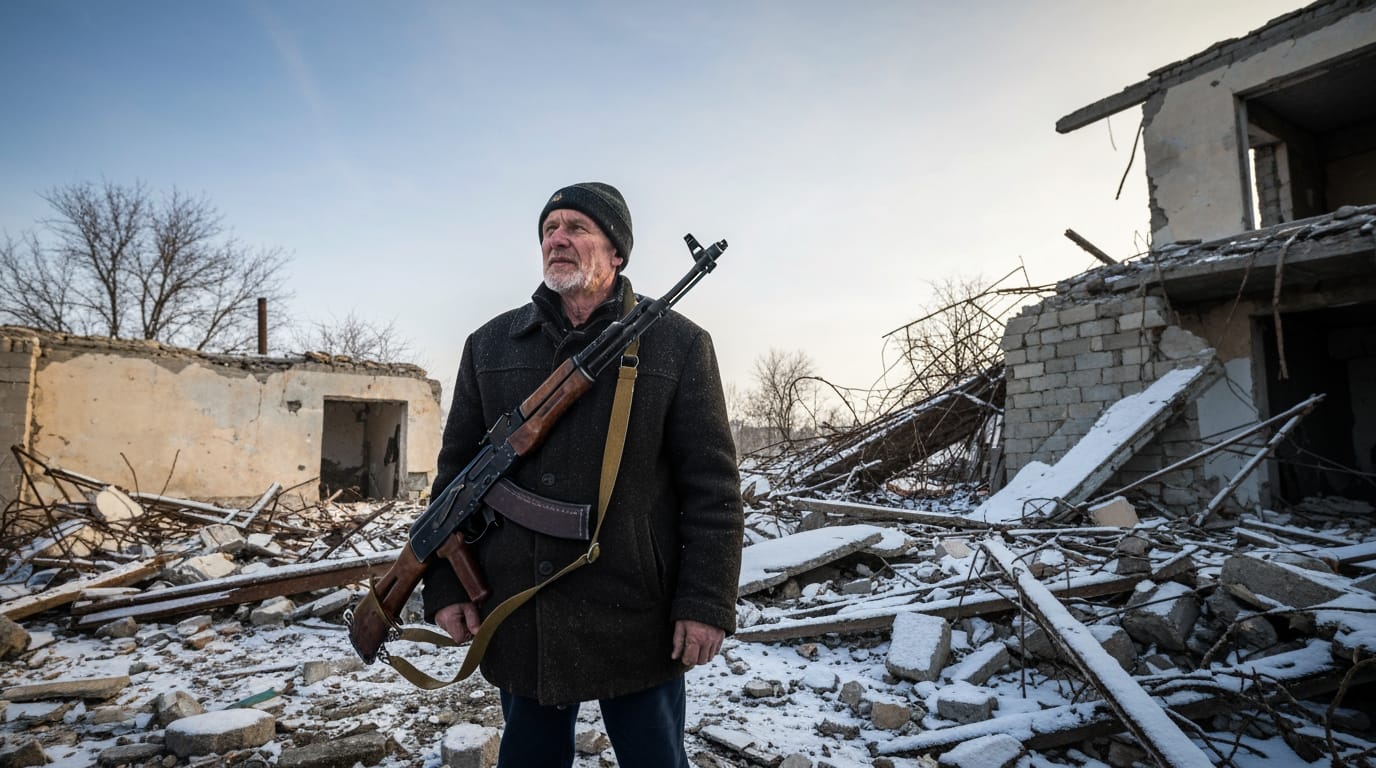
KYIV, Ukraine – As another brutal winter descends upon Ukraine, the nation stands unyielding, battered by relentless Russian aggression but refusing to break. More than two years into the full-scale invasion, the Ukrainian people continue to confront not only the conventional horrors of war but also a deliberate strategy by Moscow to weaponize the cold, systematically targeting critical energy infrastructure to plunge millions into darkness and frigid temperatures. Yet, amidst this dual assault, Ukraine's resilience, fortified by international support and an indomitable spirit, remains a beacon of defiance.
The Weaponization of Winter: A Calculated Strategy
Russia's full-scale invasion, launched in February 2022, has evolved into a grinding war of attrition, with winter becoming a strategic battleground. For the second consecutive cold season, and intensifying in the fall of 2025 and winter of 2025-2026, Russia has resumed broad military offensives specifically targeting Ukraine's power plants and other key energy infrastructure. This calculated approach aims to fragment Ukraine's power grid into isolated "energy islands," thereby reducing electricity generation, disrupting heating supplies, and weakening the nation's economy and morale.
The targeting of civilian infrastructure, deemed a war crime, has inflicted extensive damage, leaving countless Ukrainians without reliable access to electricity or heat for prolonged periods. By mid-2024, Ukraine reportedly had only a third of its pre-war electricity generating capacity, with significant hits to gas distribution and district heating systems. This strategy, analysts suggest, is not merely about punishing Ukraine but also about destabilizing Europe through the human consequences of widespread cold and darkness, potentially triggering new waves of refugees.
Humanitarian Crisis Deepens Under Freezing Conditions
The convergence of ongoing conflict and severe winter weather has exacerbated an already dire humanitarian situation. The cold weather season in Ukraine can last up to six months, from October to March, with temperatures frequently plummeting as low as -20°C across the country. This harsh climate, compounded by damaged infrastructure and homes, mass displacement, and disrupted health systems, significantly increases the risk of cold-related illness and mortality.
An estimated 1.4 million homes in Ukraine have been damaged or destroyed since February 2022. Many residents, particularly vulnerable groups such as the elderly, people with disabilities, and those in frontline communities, are forced to endure leaking roofs, broken windows, and damaged walls, making it nearly impossible to warm their living spaces. The destruction of water systems and electricity and gas networks further intensifies these challenges. Surveys conducted during the 2022-2023 winter revealed that over 80% of respondents reported respiratory infections and symptoms, with 5% experiencing cold injuries in their households. Nearly half reported their heating equipment destroyed, and 13.7% faced difficulties obtaining fuel due to infrastructure damage. The United Nations has highlighted that severe winter conditions make humanitarian aid delivery more treacherous, especially for an estimated half a million people near the front lines, many of whom are older or have limited mobility.
Ukrainian Ingenuity and Unwavering Spirit
Despite the immense pressure, Ukraine has consistently demonstrated extraordinary resilience and adaptability. Improvements to air defense systems have played a crucial role in safeguarding power supplies, although Russian attacks persist. Ukrainian forces and civilians alike have rapidly innovated, transforming challenges into opportunities for strategic and technological advancement. For instance, facing Russian attempts to leverage winter fog for tactical advantage by deploying infantry-first tactics to avoid drones, Ukrainians quickly adapted their drone technology to blunt this edge. The military is also developing new approaches to air defense, including mobile fire groups and interceptor drones, to counter evolving threats like jet-powered Shahed drones.
Beyond the military front, a profound "civic awakening" has taken root across the nation. Communities are spearheading efforts to address inequalities, support veterans, and rebuild from the ground up, recognizing that resilience extends beyond physical security. This process involves psychological, emotional, and democratic reinvention, empowering citizens to participate in local recovery efforts and strengthening civic organizations. This collective determination and innovative spirit serve as a critical defense alongside military hardware.
Global Solidarity: A Lifeline of Support
International solidarity has been instrumental in bolstering Ukraine's defense and humanitarian efforts. Since January 2022, Western nations have pledged substantial aid, totaling over $380 billion, including military, financial, and humanitarian assistance. Military aid alone from individual countries has reached approximately €149.3 billion (US $174 billion). NATO allies, for instance, have provided unprecedented levels of military assistance, amounting to billions of euros in equipment, supplies, and training. The United States has provided around half of all military aid, with European allies supplying the other half.
Humanitarian assistance is equally vital, particularly during winter. The European Commission recently announced an additional €153 million in emergency aid to Ukraine and Moldova, specifically to provide protection, shelter, food, cash assistance, psychosocial support, and access to water and health services for millions facing freezing temperatures. This includes the deployment of hundreds of power generators to restore electricity to hospitals, shelters, and other critical services. Organizations like the UN and EU are actively operating across the country, prioritizing hard-to-reach areas and delivering essential supplies. This sustained international commitment is crucial in enabling Ukraine to withstand the ongoing aggression and rebuild for the future.
Conclusion
Ukraine's unwavering stand against Russia's military might and the calculated cruelty of winter warfare serves as a testament to its national resolve. The deliberate targeting of civilian infrastructure to inflict suffering through cold and darkness represents a severe breach of international humanitarian law. Yet, in the face of such adversity, the Ukrainian people have responded with remarkable ingenuity, community spirit, and an enduring commitment to their sovereignty. Supported by a broad coalition of international partners providing essential military and humanitarian aid, Ukraine continues its arduous fight, demonstrating that while it may be battered, its spirit remains unbending. The conflict's long-term implications underscore the critical need for sustained global engagement to ensure a just and lasting peace.