Ukraine Intensifies Diplomatic Push with Revised Peace Plan Amidst Global Pressures
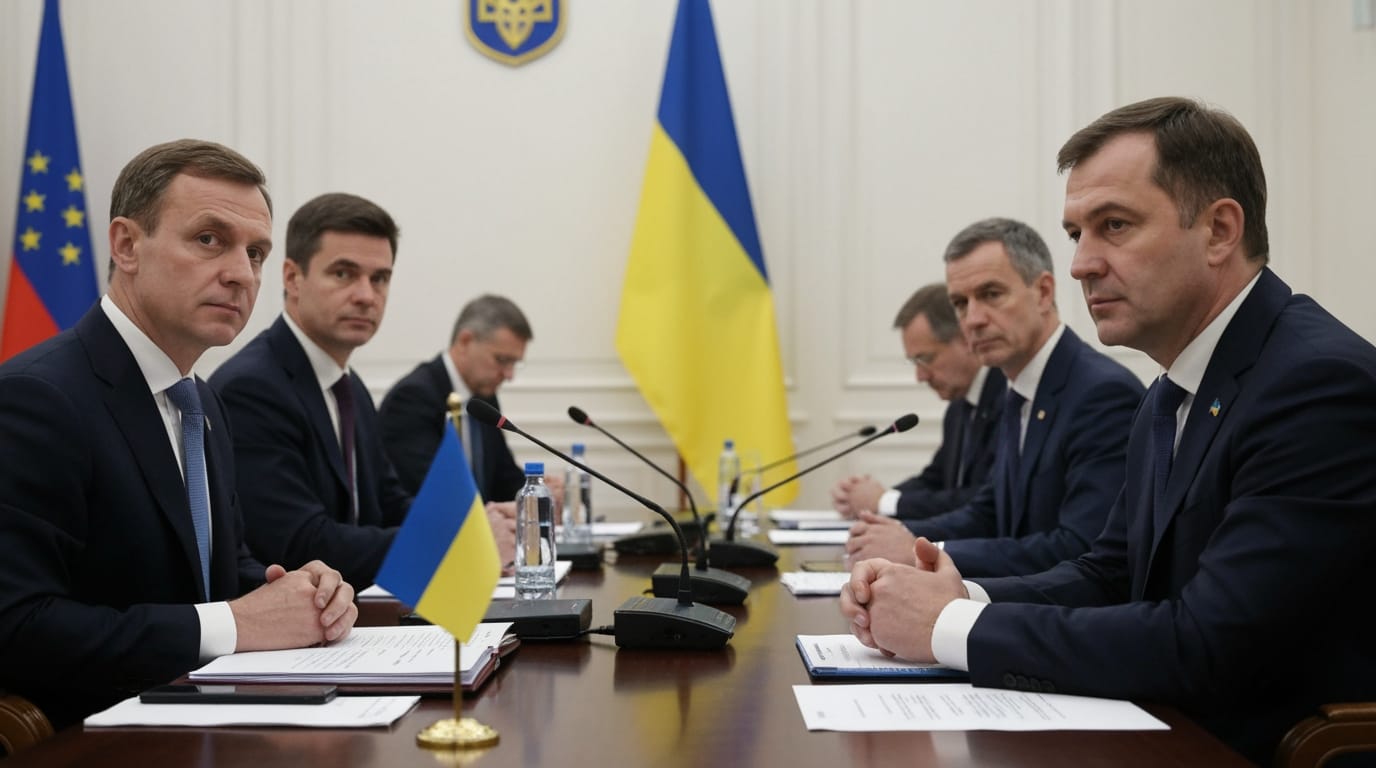
Ukraine is embarking on a critical phase of diplomatic engagement with its key allies, presenting a revised peace plan in an intensified effort to end the nearly four-year-long conflict with Russia. This renewed push follows a period of complex negotiations and international pressure, particularly concerning a previous U.S.-backed proposal that Kyiv and its European partners viewed as overly favorable to Moscow. The ongoing discussions underscore Ukraine's unwavering commitment to its territorial integrity while navigating the intricate landscape of global power dynamics and the urgent need for a lasting resolution.
The Genesis of a Renewed Peace Initiative
The current surge in diplomatic activity was catalyzed by recent high-level meetings in London, where Ukrainian President Volodymyr Zelenskyy engaged with the leaders of France, Germany, and Britain. These discussions were pivotal in strengthening Kyiv's position ahead of presenting its updated peace framework to the United States. The backdrop to these efforts is a U.S.-backed peace initiative, which emerged in late November, sparking concern among Kyiv and its European allies due to its perceived leanings toward Russian demands. Ukrainian officials and their European counterparts have since worked collaboratively to refine a more equitable proposal.
President Zelenskyy recently indicated that Ukraine is actively working on a comprehensive peace package comprising three key documents: a dynamic 20-point framework, a separate document on security guarantees, and a plan for post-war reconstruction. This updated vision is expected to be delivered to Washington, signaling Ukraine's proactive approach to shaping the terms of a potential settlement rather than reacting to external proposals. The swift development of these documents highlights the urgency felt by Kyiv as the conflict persists, inflicting widespread devastation and human suffering.
Ukraine's Non-Negotiable Principles and the 10-Point Formula
At the heart of Ukraine's diplomatic strategy is President Zelenskyy's steadfast refusal to cede any Ukrainian territory to Russia. This position is rooted in both Ukrainian constitutional law and international legal principles, as well as a strong moral imperative. Zelenskyy has consistently stated that Ukraine has no legal or moral right to compromise its sovereignty or territorial integrity. This declaration serves as a fundamental principle guiding all ongoing peace discussions, directly challenging any proposals that suggest territorial concessions, such as the widely discussed idea of ceding the Donbas region.
The revised peace plan builds upon the "Ukrainian Peace Formula," a 10-point proposal first unveiled by President Zelenskyy at the G20 Bali Summit in November 2022. This original formula established a comprehensive pathway to a just and lasting peace, gaining significant international traction and support from numerous countries. The core tenets of this plan address critical aspects of the conflict and its aftermath:
- Nuclear Safety: Ensuring the security of nuclear facilities, particularly the Zaporizhzhia power plant.
- Food Security: Protecting Ukraine's vital grain exports to global markets.
- Energy Security: Restoring Ukraine's damaged energy infrastructure and mitigating energy-related blackmail.
- Release of All Prisoners and Deportees: Facilitating the return of all captives, including Ukrainian children forcibly taken to Russia.
- Restoration of Ukraine's Territorial Integrity: Reestablishing Ukraine's borders as recognized under international law and the UN Charter.
- Withdrawal of Russian Troops and Cessation of Hostilities: A full withdrawal of all Russian forces from Ukrainian territory.
- Justice: Establishing a special tribunal for war crimes and ensuring accountability.
- Environmental Safety: Addressing ecological damage and preventing further environmental destruction.
- Prevention of Future Aggression: Developing guarantees against any future attacks.
- Confirmation of the End of the War: Formalizing the cessation of hostilities through a legally binding international agreement.
These points form the irreducible minimum for Ukraine, reflecting its commitment to sovereignty, international law, and the long-term security of its people.
The Role of Key Allies and Shifting Dynamics
Ukraine's diplomatic efforts are heavily reliant on the support and coordination of its international partners. The recent London talks, involving leaders from Britain, France, and Germany, underscore the crucial role these European allies play in bolstering Ukraine's negotiating stance. These nations have consistently aligned more closely with Ukraine's maximalist demands for a just peace, often expressing reservations about proposals perceived as appeasing Russia.
The United States, under its current administration, has taken on a mediating role, pushing for a compromise peace plan. However, the initial U.S.-backed proposal was met with skepticism in Kyiv and Europe, prompting the current round of revisions. Key figures from the U.S. administration, including Jared Kushner and Steve Witkoff, have been actively involved in discussions with both Russian and Ukrainian officials. While U.S. officials aim for a swift resolution, European leaders are focused on ensuring any settlement guarantees Ukraine's long-term security and deters future Russian aggression.
The "Coalition of the Willing," a group of partner states coordinating military and security commitments to Ukraine, also plays a significant role in these discussions. While financial and military aid from some international sources saw a decline, several European nations, including Denmark, Finland, Norway, Sweden, Germany, France, and the U.K., have substantially increased their contributions, demonstrating a commitment to Ukraine's defense. The collective aim of these allies is to balance the pressure for a settlement with the imperative of protecting Ukraine's sovereignty and preventing a precedent that could embolden future aggression.
Sticking Points and the Path Forward
Despite the intensified diplomatic activity, significant obstacles remain on the path to peace. The most prominent sticking point continues to be Ukraine's territorial integrity. Russia has repeatedly refused to engage in negotiations that acknowledge Ukraine's internationally recognized borders, insisting on the recognition of its annexed territories. The initial U.S. proposal, which reportedly suggested Ukraine cede control of the Donbas region, highlighted this fundamental disagreement. Ukraine views any such concession as a violation of its sovereignty and a moral betrayal.
Russia's ongoing military advances and its stated unwillingness to agree to ceasefires while on the offensive further complicate peace efforts. Russian officials have also expressed a desire for negotiations to focus on establishing a "new world order" that counters U.S. hegemony, indicating broader geopolitical ambitions beyond the immediate conflict.
The complex interplay of security guarantees, post-war reconstruction, and the fate of frozen Russian assets also presents considerable challenges. Ukraine insists on robust security assurances to prevent future aggression, while the economic recovery plan necessitates substantial international investment and a framework for accountability.
Conclusion
As Ukraine presents its revised peace plan to key allies, the stakes remain exceptionally high. The ongoing diplomatic efforts reflect a delicate balance between the urgent need to end hostilities and Ukraine's unwavering commitment to its sovereignty and territorial integrity. The collaboration between Kyiv and its European partners in refining a more comprehensive and equitable peace proposal underscores the global recognition that any lasting resolution must uphold international law and deter future aggression. While the path to peace is fraught with challenges, these renewed talks represent a crucial step in the arduous journey toward a just and sustainable end to the conflict, ensuring Ukraine's ability to determine its own future.


