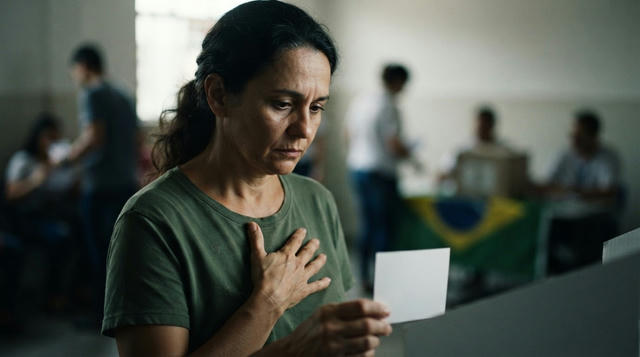
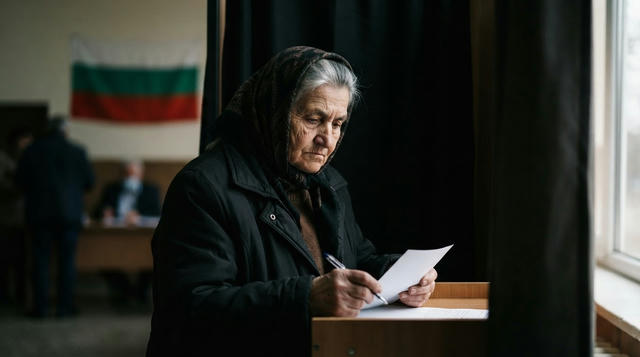
Ukraine Prioritizes Unity Over Wartime Ballot, Zelenskyy Rejects Election Amidst Conflict
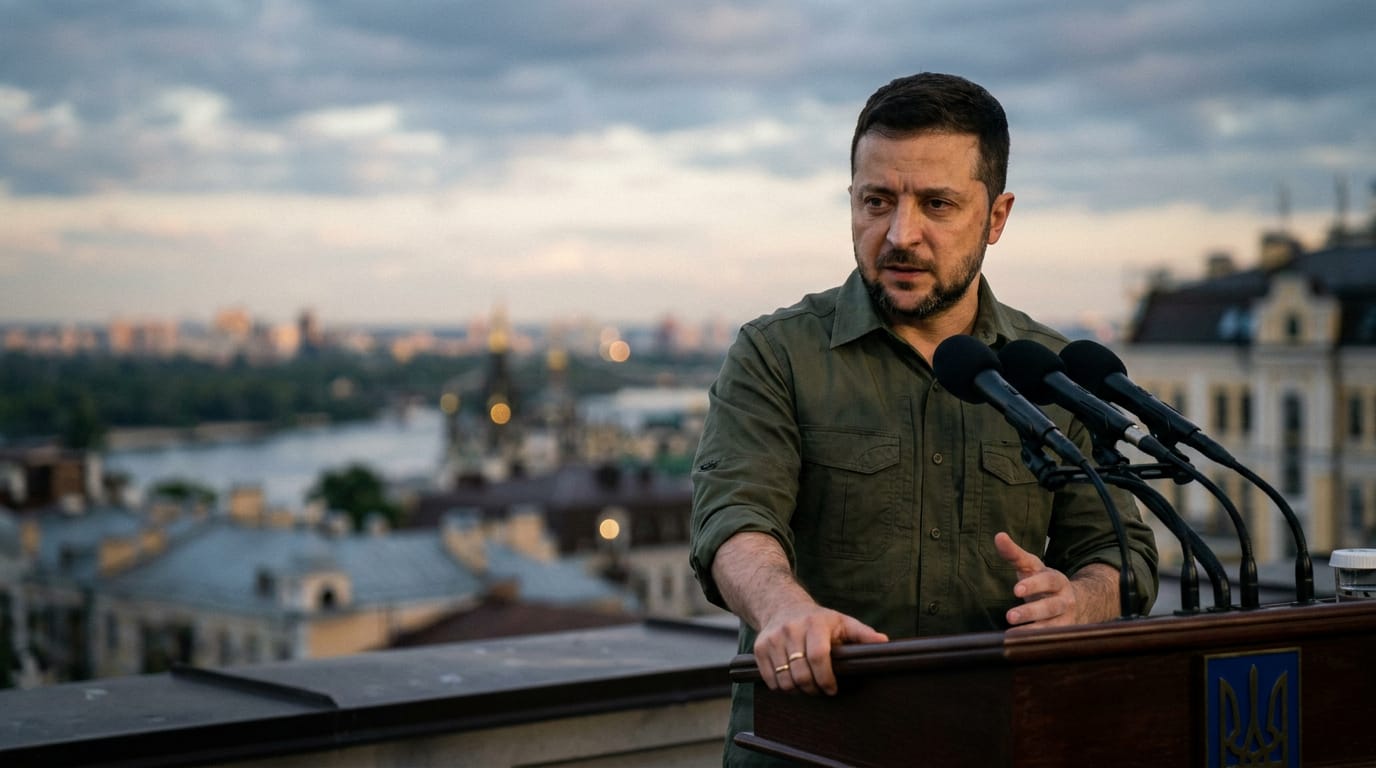
KYIV – Ukrainian President Volodymyr Zelenskyy has unequivocally stated that holding elections while the nation is engaged in a full-scale war with Russia would be a "huge risk" and could "split Ukraine," effectively rejecting calls for an immediate wartime ballot. His firm stance underscores the immense legal, logistical, and security challenges that make a free and fair election impossible under current conditions, prioritizing national cohesion in the face of ongoing aggression.
The Ukrainian leader's remarks, made public on Sunday, August 23, 2026, follow persistent internal and external discussions about the feasibility and necessity of elections. These discussions gained recent traction after former Defense Minister Mykhailo Fedorov publicly advocated for a mechanism to allow voting even amidst the conflict, prompting a sharp rebuke from the President. Zelenskyy cautioned that pushing for elections now would be akin to inviting a "tsunami for the country," potentially destroying the very unity Ukraine has meticulously built to resist the invasion.
The Inviolate Law of Wartime Governance
At the heart of President Zelenskyy's rejection lies Ukraine's constitutional framework, which explicitly prohibits the conduct of any elections during a period of martial law. Following Russia's full-scale invasion in February 2022, martial law was immediately imposed and has been continuously extended by the Verkhovna Rada (Ukraine's parliament). The Law of Ukraine "On the Legal Regime of Martial Law" (2015) and the Electoral Code of Ukraine (2019) both stipulate the suspension of all electoral processes during such periods.
This legal provision is not an arbitrary political decision but a carefully considered mechanism designed to ensure governmental stability during times of extreme national crisis. While the Constitution specifically extends the powers of the Verkhovna Rada until the first meeting of a newly elected parliament after martial law is lifted, it also ensures the President continues to exercise powers until a new head of state is sworn in, thus guaranteeing governmental continuity. Any attempt to circumvent these provisions would require significant legislative changes, a complex undertaking that many argue is unfeasible and undesirable during active hostilities.
Unprecedented Logistical and Security Hurdles
Beyond the legal prohibitions, the practicalities of organizing national elections in a war-torn country present an almost insurmountable array of obstacles. Foremost among these are the profound security risks. Ukraine remains under constant threat of shelling, missile strikes, terrorist acts, and sabotage. Conducting elections would require establishing secure polling stations across the country, a task made perilous by the omnipresent danger. Russian attacks could not only endanger voters and election officials but also undermine the integrity and legitimacy of the entire electoral process.
The demographic and territorial realities of the conflict further complicate any electoral endeavor. Approximately 20 percent of Ukrainian territory remains under Russian occupation, where conducting any legitimate vote is simply impossible. Millions of Ukrainians have been displaced, with many having fled to other countries as refugees and millions more internally displaced within Ukraine. Registering these citizens, ensuring their access to polling, and guaranteeing the secrecy of their ballot would be a logistical nightmare, potentially disenfranchising a significant portion of the electorate and leading to questions about the representativeness of any outcome.
Furthermore, the participation of military personnel, numbering in the hundreds of thousands, poses a unique challenge. Soldiers serving on the front lines would be unable to vote safely or secretly, and attempting to facilitate their participation could divert critical resources and attention away from combat operations. The financial burden of a wartime election would also be immense, requiring substantial funds that are currently dedicated to defense and humanitarian aid. Such a diversion, many argue, would be an irresponsible use of scarce resources when the nation's very existence is at stake.
International Perspectives and Domestic Consensus
While some international figures, including former U.S. President Donald Trump, have voiced expectations for Ukraine to hold elections to uphold its democratic credentials, the prevailing sentiment among Ukraine's Western allies has largely shifted to an understanding of the country's unique circumstances. Organizations like the Parliamentary Assembly of the Council of Europe (PACE) have previously called for elections, though Ukrainian officials, such as Secretary of the National Security and Defense Council Oleksiy Danilov, have consistently emphasized adherence to Ukraine's own laws. There is a recognized risk that postponing elections indefinitely could weaken democratic institutions, but the immediate dangers of a wartime vote are seen as far more pressing.
Crucially, Ukrainian public opinion overwhelmingly supports delaying elections until after the war concludes. Multiple polls, including one by the Kyiv Institute of Sociology, indicate that only a small minority (around 15 percent) believes elections should be held before hostilities end. The majority prioritizes national defense and stability over political campaigning, viewing the latter as a potential source of division at a time when unity is paramount. Over 400 Ukrainian civil society organizations have also signed a statement affirming that democratic elections are impossible without lasting peace.
President Zelenskyy himself previously indicated a conditional openness to wartime elections if international partners, particularly the United States and European allies, could guarantee security and assist financially, contingent on necessary legislative changes. However, his most recent statements suggest a hardening of this position, reflecting the continued intensity of the conflict and the perceived dangers of such an undertaking.
The Path Forward: Unity and Post-War Democracy
The dilemma of wartime elections highlights the delicate balance Ukraine must strike between defending its sovereignty and preserving its democratic foundations. While the Kremlin continues to exploit the absence of elections to question Zelenskyy's legitimacy and sow discord, the consensus within Ukraine and among many of its partners remains that national survival and unity must take precedence.
President Zelenskyy's firm rejection of wartime elections is a clear signal that the country will not jeopardize its fighting capacity or internal cohesion for a political exercise that cannot be conducted fairly, safely, or inclusively. The focus remains on defeating the aggressor, liberating occupied territories, and ensuring the conditions for a robust, legitimate democratic process once peace is restored. The challenge for Ukraine will be to maintain its democratic resilience throughout this period, laying the groundwork for truly free and fair elections when the existential threat has receded and all Ukrainians can participate without fear.