UN Envoy Warns of "Human Rights Catastrophe" Unfolding in El Obeid, Sudan
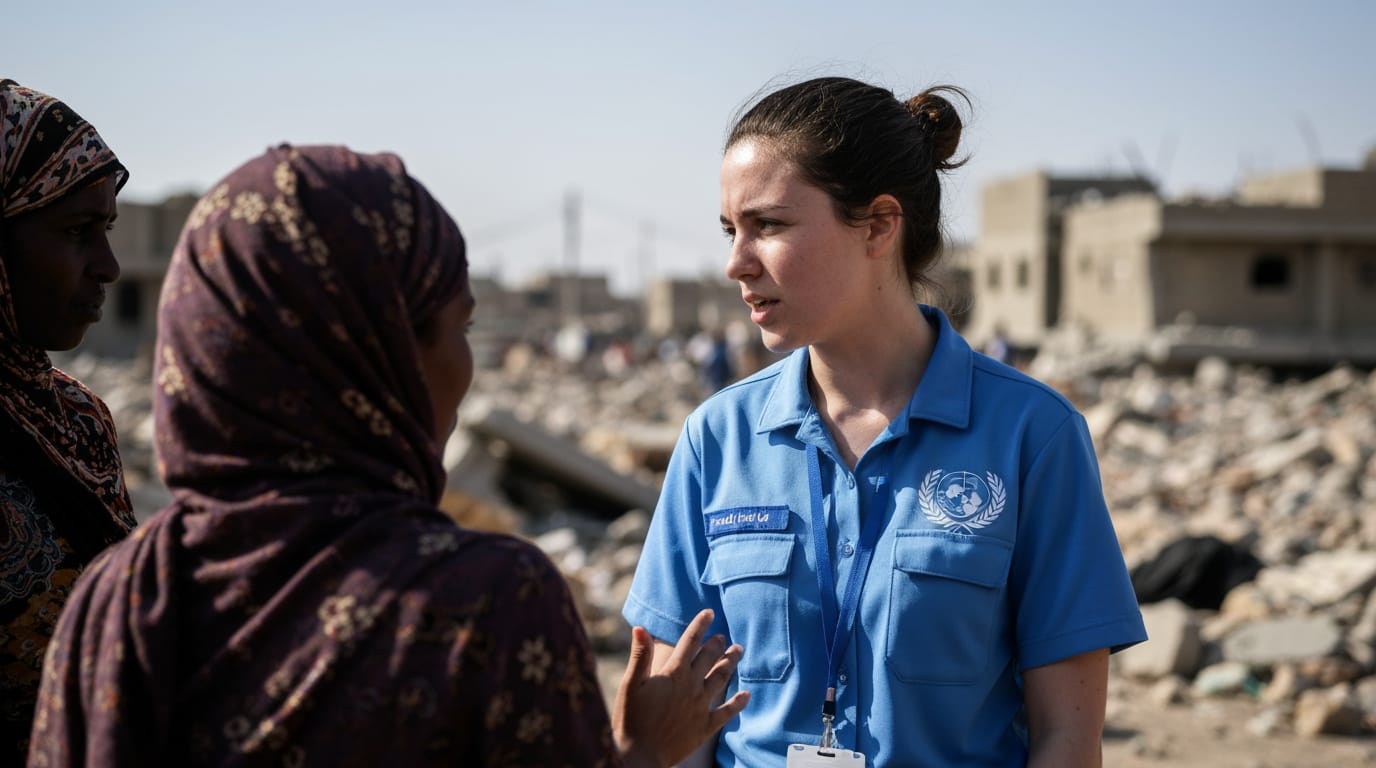
GENEVA – The United Nations human rights chief has issued a dire "red alert" regarding the escalating crisis in El Obeid, the strategic capital of North Kordofan state in Sudan, warning of an unfolding "human rights catastrophe" and the potential for large-scale atrocities. Volker Türk, the UN High Commissioner for Human Rights, addressed an urgent debate at the UN Human Rights Council on Friday, July 3, urging global leaders to take immediate action to avert further bloodshed and suffering in the besieged city.
Civilians in El Obeid have endured nearly 18 months of siege-like conditions, marked by relentless drone strikes and severe shortages of essential resources, as the Sudanese Armed Forces (SAF) and the paramilitary Rapid Support Forces (RSF) battle for control of surrounding areas. The situation draws chilling parallels to the atrocities previously witnessed in El Fasher, raising fears that El Obeid could be on the brink of a similar humanitarian disaster.
Mounting Crisis and Civilian Toll
The humanitarian situation within El Obeid has deteriorated rapidly, pushing its nearly 600,000 residents, including over 105,000 who had sought refuge from violence elsewhere, to the brink. Reports from the ground indicate critical shortages of clean water, fuel, and electricity, exacerbated by drone strikes targeting vital infrastructure such as power stations, fuel depots, and water facilities. Between June 6 and June 28 alone, the UN human rights office recorded at least 15 drone strikes in and around El Obeid, resulting in the deaths of 45 civilians and injuries to 41 others. Markets, schools, and civilian vehicles have also been repeatedly struck, creating an environment of terror and despair. The cost of basic necessities has soared, with the price of a jerry can of water reportedly doubling in recent weeks, further compounding the challenges faced by the population.
The International Rescue Committee (IRC) and Islamic Relief have warned that escalating RSF drone strikes are not only killing civilians but also cutting off access to food, water, and fuel, effectively paving the way for a ground offensive that would place hundreds of thousands at grave risk. Humanitarian organizations, including the International Committee of the Red Cross (ICRC), are striving to provide assistance, with over 42,000 people receiving a month's worth of food and vital health services being reinforced. However, access is severely constrained, and humanitarian personnel face unacceptable attacks.
The Specter of Atrocity Crimes
United Nations officials have voiced grave concerns that the ongoing military buildup by the RSF and its allies around El Obeid could lead to an "imminent ground offensive." Pekka Haavisto, the UN Secretary-General's Personal Envoy for Sudan, cautioned that a further military escalation could jeopardize thousands of civilians and deepen Sudan's already devastating humanitarian crisis. The RSF has been reportedly massing forces, seeking to re-establish a siege on the city, which had been broken by the military in February 2025 after more than a year.
Human Rights Watch and other observers note that the RSF's historical "modus operandi" includes committing mass atrocities against civilians following military victories. Comparisons are frequently drawn to El Fasher, where encirclement was followed by widespread attacks, including mass killings, summary executions, arbitrary detention, sexual violence, forced displacement, and targeted ethnic violence, which the UN Fact-Finding Mission found bore the "hallmarks of genocide." Civilians attempting to flee El Obeid face perilous journeys through armed zones where extortion, sexual violence, ethnic targeting, and looting have been documented.
Calls for Global Intervention
In his urgent plea, Volker Türk stressed that the situation in El Obeid is "not a drill" but a "red alert" that demands immediate attention from heads of state and government worldwide. He called on them to devise strategies to prevent atrocity crimes in El Obeid and other parts of Kordofan. The UN Human Rights Council is considering a draft resolution, brought by several European nations, condemning the escalating violence and urging greater support for countries hosting Sudanese refugees.
The broader conflict in Sudan, which erupted in April 2023, has already claimed at least 59,000 lives, displaced approximately 13 million people, and left over 30 million in need of humanitarian assistance. The strategic importance of El Obeid, linking Darfur and Kordofan with the rest of the country, means that a further escalation there would have widespread devastating consequences. There are also concerns about external interference in the conflict, with calls for states to refrain from harmful actions and to use their influence to protect civilians. The international community is being urged to ensure that all parties to the conflict uphold their obligations under international humanitarian law, protect civilians, and facilitate rapid and unhindered humanitarian access.
The unfolding crisis in El Obeid serves as a stark reminder of the devastating human cost of the ongoing conflict in Sudan. With warning signs tragically reminiscent of past atrocities, the urgency of concerted international action to protect civilians and ensure humanitarian aid reaches those in desperate need cannot be overstated.


