UN Sounds Alarm as Fighting Intensifies in DR Congo's South Kivu, Civilians Bear Brunt of Escalation
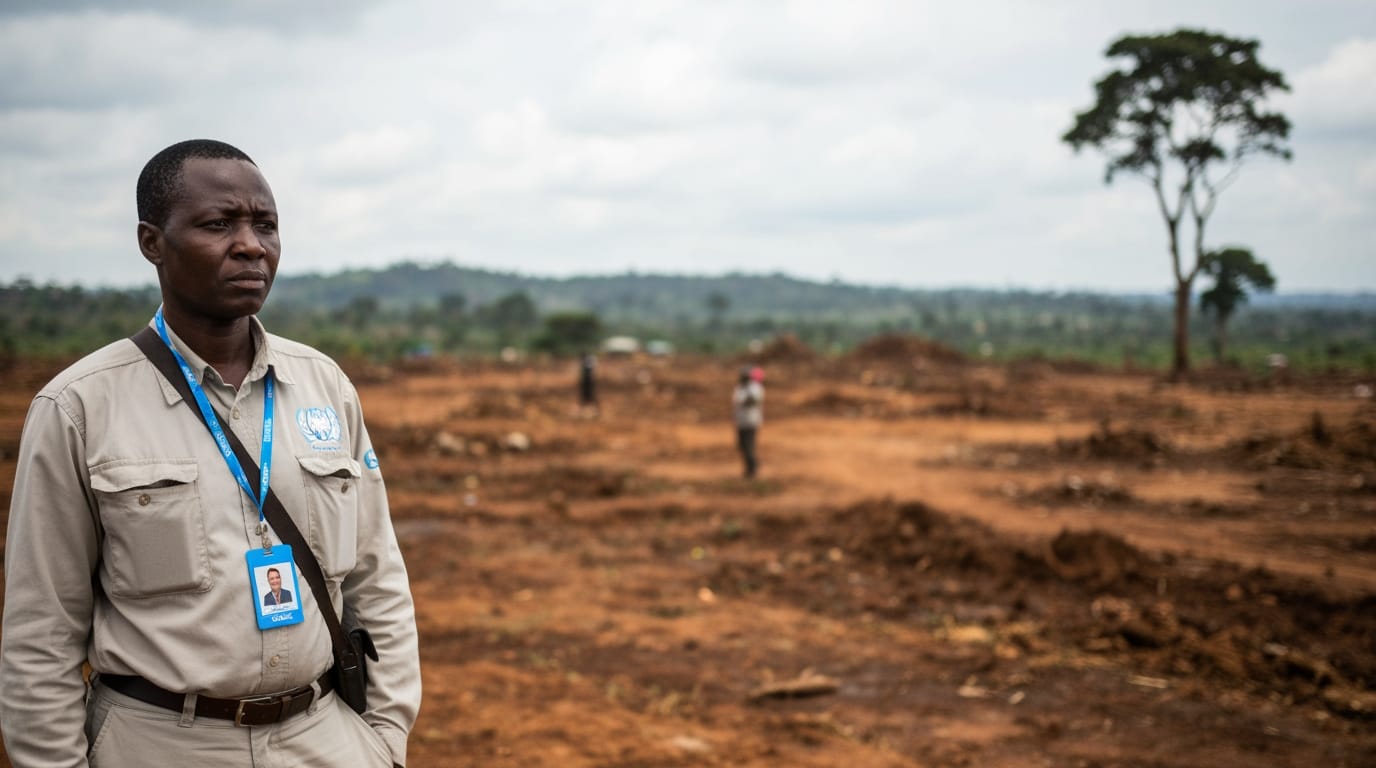
Geneva/Bukavu, DR Congo – The United Nations has issued a grave warning regarding a sharp and alarming escalation of fighting in the South Kivu province of the Democratic Republic of Congo (DRC), with recent clashes between the Congolese armed forces (FARDC) and the M23 armed group exacting a devastating toll on civilian lives and livelihoods. UN Human Rights Chief Volker Turk on Thursday, July 9, 2026, deplored the profound impact of these renewed hostilities, urging an immediate halt to violence and concerted international efforts to de-escalate tensions in the volatile eastern region. This latest surge in conflict threatens to unravel fragile peace efforts and exacerbate an already dire humanitarian crisis affecting millions.
Renewed Violence Plunges South Kivu into Deeper Crisis
The past two weeks have witnessed a significant intensification of hostilities between the FARDC and the M23 in South Kivu's Fizi and Mwenga territories. Reports indicate both sides are employing armed drones, heavy artillery, and other explosive weapons in civilian-populated areas, leading to numerous civilian casualties, injuries, and widespread destruction of homes and livestock. Intense clashes, particularly around Mulima village in Fizi on July 4 and 5, underscore the severity of the renewed conflict. Congolese forces have reportedly launched a large-scale drone offensive to retake villages from M23 rebels in the plateau regions of Fizi, Uvira, and Mwenga, often supported by the local Wazalendo militia. This offensive marks a critical new phase in the ongoing struggle for control, as M23, which claims to represent the interests of the ethnic Congolese Tutsi population, seeks to expand its influence.
The current escalation follows a period of heightened insecurity after the UN peacekeeping mission, MONUSCO, completed its disengagement from South Kivu in June 2024. Security incidents in the province increased noticeably following this withdrawal, leaving a vacuum that armed groups have exploited. Human Rights Watch noted in April 2026 that the UN had classified humanitarian access to South Kivu's Hauts Plateaux (highlands) – covering parts of Fizi, Mwenga, and Uvira territories – as "severe," citing interference with aid delivery and prevention of civilian movement by both Congolese forces and armed groups. The situation has become so critical that the United Nations Security Council, which met on Congo in April 2026, was urged to call on all warring parties to facilitate humanitarian aid and safe passage for civilians, and to consider new sanctions against abusive commanders.
A Protracted Conflict's Resurgence and Complex Alliances
The M23 armed group, which re-emerged in 2021, has been a central player in the protracted Kivu conflict, a series of armed struggles that have plagued eastern DRC since the end of the Second Congo War. Kinshasa and several international bodies accuse Rwanda of backing the M23, a charge Kigali consistently denies. The group's offensive in late 2025 saw significant territorial gains, including a brief seizure of the strategic border city of Uvira in December 2025, before withdrawing under U.S. diplomatic pressure. Despite the M23's withdrawal from Uvira, reports indicate plainclothes militants continued to occupy the city and engage in clashes.
The conflict in South Kivu is further complicated by a web of non-state armed group alliances. The M23 and its alleged Rwandan backers have heavily relied on groups under the Alliance Fleuve Congo (AFC) to project force across a widening territorial front. Conversely, the FARDC has increasingly relied on militias operating under the Wazalendo banner. These shifting alliances and the internal fragmentation of some militia groups contribute to the intractable nature of the violence. Drone strikes, a relatively new element, have become a feature of this conflict, with credible reports of eight incidents between January and March 2026 alone, resulting in civilian deaths and destruction.
Dire Humanitarian Consequences and International Appeals
The humanitarian consequences of the escalating violence are staggering. Millions of people in eastern DRC face relentless insecurity, displacement, and acute suffering. By December 2025, over half a million people had been uprooted by escalating violence in eastern DRC, with the M23 offensive driving a rapidly worsening humanitarian emergency. Since December 2, 2025, alone, over 200,000 people were displaced in South Kivu. Overall, the conflict has led to over 7.8 million internally displaced people across the DRC as of March 2026. These displaced populations often seek refuge in overcrowded sites, where the risk of disease outbreaks like cholera, mpox, and even Ebola is rapidly rising.
Humanitarian organizations face immense challenges in reaching affected populations. The UN has highlighted "severe" restrictions on access, particularly in the South Kivu highlands, where information on abuses is scarce due to limited access and telecommunications. Incidents affecting humanitarian actors remain high, with South Kivu showing a higher proportion of such incidents in January 2026 compared to the previous year, reflecting the province's unstable context. Food insecurity has reached extreme levels, with 26.5 million people nationwide projected to face crisis levels of food insecurity or worse by early 2026. Furthermore, the conflict has led to a marked increase in conflict-related sexual violence and grave violations against children.
Calls for De-escalation and Durable Peace
UN Human Rights Chief Volker Turk's recent statement underscores the international community's deep concern, lamenting that fighting continues unabated despite ongoing peace processes. He urged the Congolese armed forces and the M23 to immediately step back from further violence, de-escalate tensions, and protect civilians. Turk also specifically called on Rwanda to cease its alleged support for M23 and withdraw its troops from the DRC. These appeals echo earlier calls by UN Secretary-General Antonio Guterres, who in December 2025 expressed alarm over the escalating violence and strongly condemned the M23 offensive, urging an "immediate and unconditional cessation of hostilities."
Despite diplomatic efforts, including a U.S.-brokered peace agreement signed in December 2025, and subsequent U.S. sanctions on key Rwandan leaders in March 2026, the violence persists. The UN Security Council renewed MONUSCO's mandate until December 2026, with discussions ongoing about the mission's potential role in ceasefire monitoring, particularly in areas like Uvira, despite its prior disengagement from the province.
The situation in South Kivu remains precarious, characterized by a complex interplay of internal and external factors, including competition over natural resources and regional rivalries. The international community continues to stress the urgent need for all parties to respect international humanitarian law, facilitate unhindered humanitarian access, and commit to a sustainable resolution to prevent further regional instability and human suffering. Without genuine political will and sustained efforts to address the root causes of the conflict, the people of South Kivu will continue to face the devastating consequences of a war that shows no signs of abating.


