UN Sounds Alarm as Lebanon Humanitarian Crisis Deepens, Doubling Aid Appeal to Nearly $640 Million Amid Escalating Conflict
Geneva, Switzerland – The United Nations has more than doubled its emergency aid appeal for Lebanon, citing a rapidly deteriorating humanitarian situation driven by the ongoing conflict between Israel and Iran-backed Hezbollah. With a looming humanitarian catastrophe, the global body is now seeking nearly $640 million to provide critical assistance over the next six months for 1.4 million people, approximately a quarter of Lebanon's population.
The revised appeal, announced Friday, comes as hostilities, which sharply intensified on March 2, 2026, continue to exact a severe toll on the Lebanese civilian population and infrastructure. The United Nations Office for the Coordination of Humanitarian Affairs (OCHA) emphasized the deepening vulnerability caused by repeated displacements, insufficient shelter capacity, and limited prospects for safe return, warning that affected communities are rapidly exhausting their coping mechanisms.
Escalation Fuels Mass Displacement and Devastation
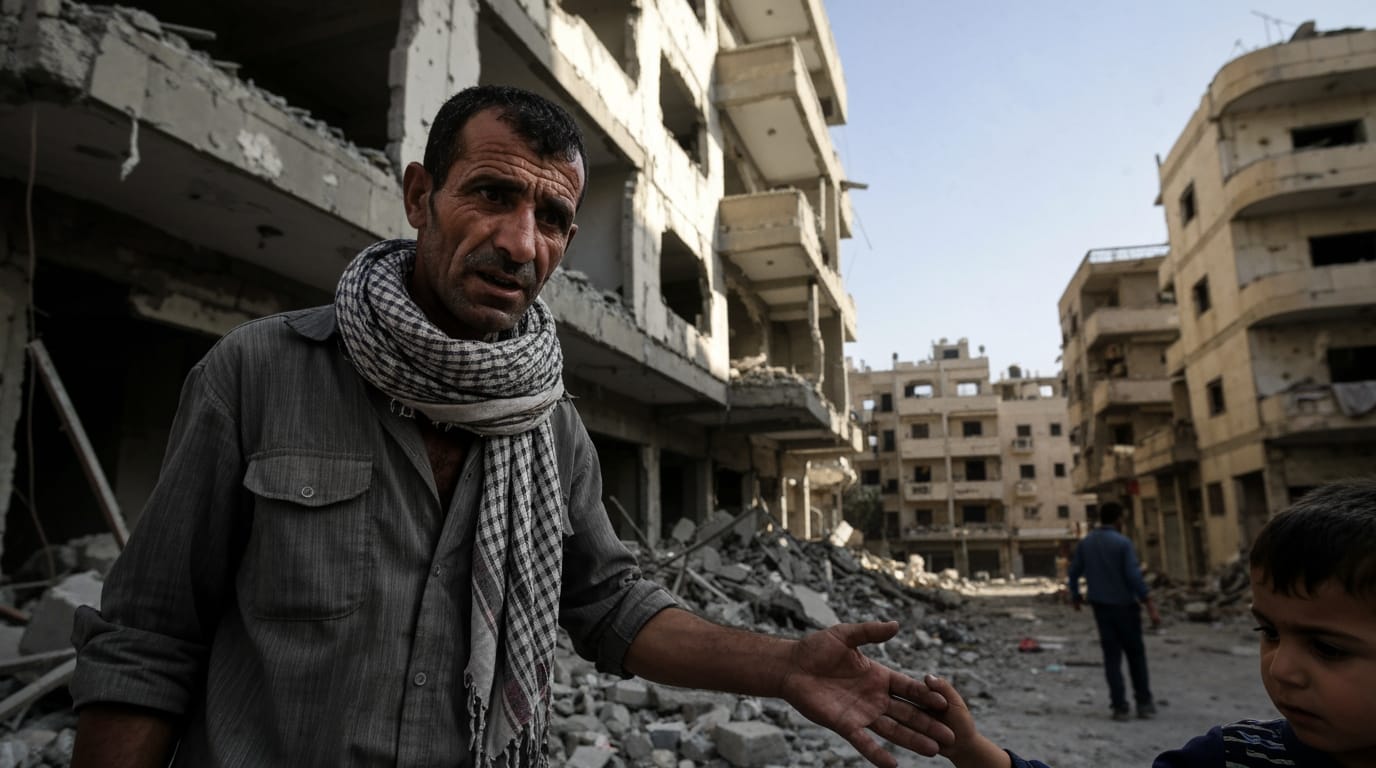
The current escalation represents the most serious deterioration in security conditions since a November 2024 ceasefire. Israeli airstrikes and missile exchanges, often in retaliation for Hezbollah's rocket fire, have ravaged civilian areas, forcing hundreds of thousands to flee their homes. As of early March 2026, over 822,000 people, including nearly 300,000 children, were registered as displaced. More recent reports indicate that nearly one million people have fled their homes, with some estimates reaching over 1.2 million individuals registered as displaced by the Lebanese government. Many of these displaced families are now seeking refuge in crowded collective sites, including public schools, mosques, community halls, and unfinished buildings, further straining already limited resources.
The human cost of the conflict has been significant. Lebanese authorities reported over 600 fatalities and at least 1,580 injuries as of March 11, 2026, with children accounting for 20 percent of casualties in the first week of intensified fighting. By early June 2026, some reports indicated that over 3,500 people had been killed in Israeli strikes. Widespread damage to critical civilian infrastructure, including residential buildings, schools, and health facilities, has been documented, exacerbating an already fragile situation.
Pre-existing Vulnerabilities Exacerbate Crisis
Lebanon entered this renewed period of conflict already grappling with profound and multifaceted crises. The country has endured one of the worst economic collapses in modern history, leading to widespread poverty, a currency in freefall, and a vacuum in political leadership. Even before the current hostilities, an estimated 3 million people in Lebanon, including vulnerable Lebanese, Syrian, and Palestinian refugees, required humanitarian assistance due to socioeconomic vulnerability and other drivers.
The ongoing conflict has compounded these pre-existing challenges, pushing more people into destitution. The cost of essential services such as water, fuel, and electricity has surged by over a third nationally, and by as much as 70 percent in conflict-affected areas, placing immense pressure on households. Furthermore, the conflict has severely disrupted healthcare services, with 62 hospitals and other health facilities damaged or forced to close. Education has also been impacted, as nearly 450 schools are being utilized as temporary shelters for displaced individuals, contributing to learning loss and increased dropout risks.
Straining Essential Services and Food Security
The sheer scale of displacement has placed an unbearable strain on Lebanon's already overstretched public services. Many receiving cities have reached their absorption capacity limits, with numerous schools and reception centers operating at full occupancy. This burden further compromises health, education, and municipal service systems in a nation struggling to recover from previous crises, including the 2020 Beirut port explosion and the ongoing impact of the Syrian refugee crisis.
Food insecurity has become a critical concern, with more than 1.2 million people currently facing acute food shortages. Projections for the current year suggest that 1.24 million people across Lebanon will face acute food insecurity, with conditions expected to be particularly severe in southern regions most affected by the conflict. The International Rescue Committee (IRC) has highlighted that many families have lost access to income, and damage to infrastructure makes it harder for people to obtain food and other essential services.
Funding Shortfalls Threaten Response Efforts
The United Nations initially appealed for $308 million in March to support a government-led emergency response through the end of May. However, only $185 million of this initial appeal was received by May 31, significantly hindering the ability to meet growing needs. The extended appeal, which seeks an additional $331 million through August, aims to bridge this critical gap and scale up aid delivery to the 1.4 million individuals identified as requiring humanitarian assistance.
The Lebanon Response Plan (LRP), a broader two-year humanitarian and stabilization framework co-led by the Government of Lebanon and the UN, complements the flash appeals. While the LRP aims to provide immediate and medium-term assistance and bolster national systems, it too has faced significant funding shortfalls, with only a fraction of its 2024 funding appeal secured by late last year. The international community's prompt and generous support is crucial to avert a deepening humanitarian crisis and enable a comprehensive response to the escalating needs across Lebanon.
Conclusion
The escalating conflict between Israel and Hezbollah has plunged Lebanon into a severe humanitarian crisis, exacerbating existing vulnerabilities and placing immense pressure on its social and economic fabric. The UN's redoubled aid appeal to nearly $640 million underscores the urgent need for international intervention to address mass displacement, soaring food insecurity, and widespread damage to critical infrastructure. Without sustained funding and a de-escalation of hostilities, the humanitarian situation in Lebanon is poised to worsen, threatening the lives and livelihoods of millions and risking further destabilization of an already fragile nation.


