UN to Reduce Staff in Gaza Amidst Escalating Violence and Safety Concerns
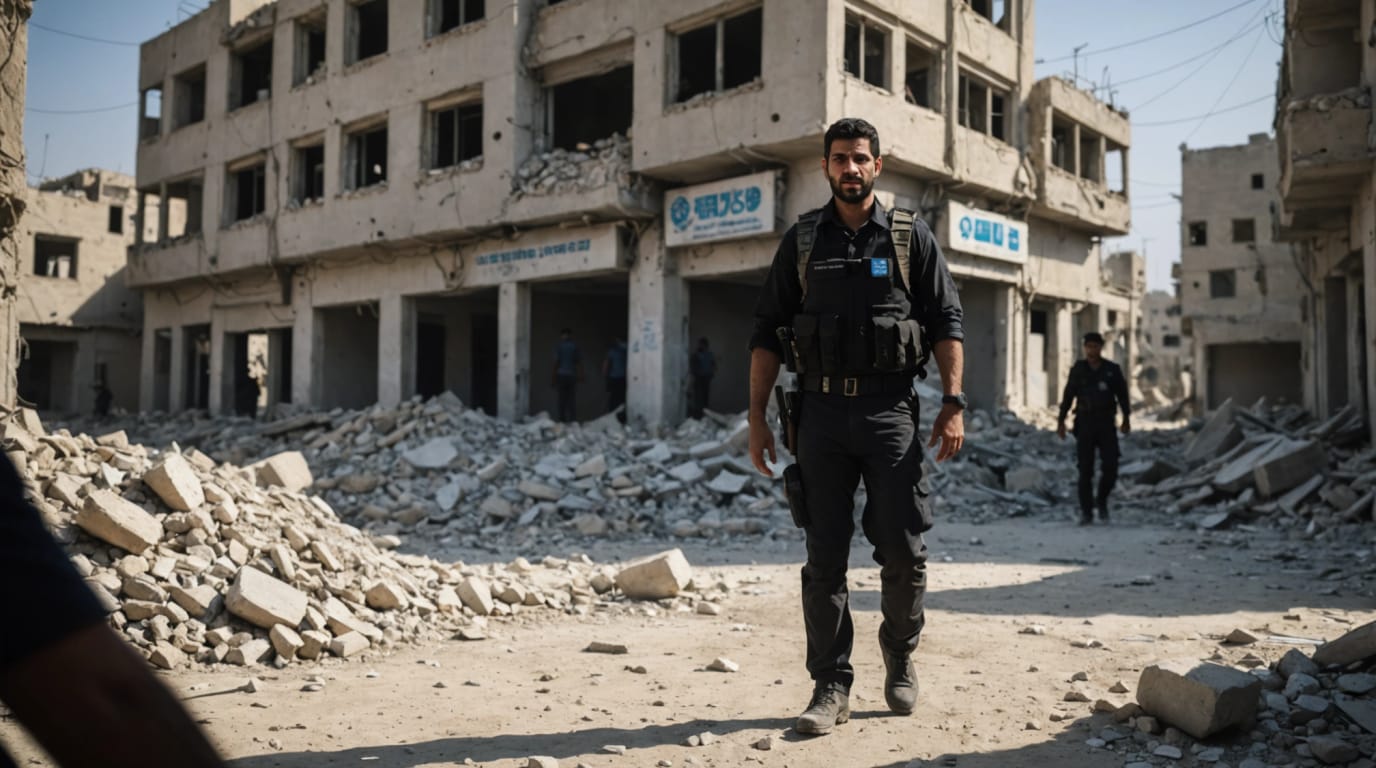
The United Nations announced Monday it will reduce its international staff presence in Gaza, citing heightened security risks following renewed Israeli attacks and a deadly strike on a UN facility. The decision comes as humanitarian needs in the region soar, and concerns intensify over the protection of civilians and aid workers.
The UN will temporarily withdraw approximately 30 of its 100 international staff members from Gaza this week. UN Secretary-General António Guterres made what he called the "difficult decision" due to security and operational concerns. Despite the reduction, the UN emphasized its continued commitment to providing essential aid to the Gazan population, with over 13,000 predominantly Palestinian national staff remaining on the ground.
The decision to downsize the international team follows an incident on March 19, where a UN compound in Deir el-Balah was struck, resulting in the death of a Bulgarian staff member and severe injuries to six others from France, Moldova, North Macedonia, Palestine, and the United Kingdom. The UN has stated that the strike was caused by an Israeli tank shell, a claim the Israeli military denies.
The UN's move reflects the increasingly perilous environment for humanitarian workers in Gaza. Aid organizations and medical personnel have faced growing threats, with reports of attacks on ambulances, hospitals, and aid facilities. The International Committee of the Red Cross (ICRC) reported damage to its office in Rafah from an explosive projectile on Monday, impacting its operational capacity.
Rising Violence and Aid Blockade
The staff reduction coincides with a resurgence of violence in Gaza after Israel broke a two-month ceasefire with Hamas. Renewed bombardments have resulted in the deaths of hundreds of Palestinians, exacerbating an already dire humanitarian situation.
Adding to the crisis, an aid blockade has been in place for over three weeks, the longest suspension of assistance since the October 7, 2023, Hamas raid on Israel. This blockade has severely hampered the delivery of essential supplies, including food, medicine, and other aid, to the Gazan population.
Tom Fletcher, the UN emergency relief coordinator, reported receiving alarming accounts of attacks on health workers, ambulances, and hospitals. The surgical department of Nasser Medical Complex was reportedly struck and caught fire, and ambulances in Rafah were also hit, causing multiple casualties.
Impact on Humanitarian Operations
The UN and its humanitarian partners are facing significant constraints in providing essential services, including healthcare, education, protection, and water and sanitation. Several activities have already been suspended due to the escalating violence and security risks.
The reduction in international staff is expected to further strain humanitarian operations, even with the continued presence of national staff. The UN Office for the Coordination of Humanitarian Affairs (OCHA) has called for the entry of additional emergency medical teams to support the overwhelmed and exhausted health workers on the ground.
The UN's decision to reduce its footprint in Gaza underscores the urgent need for increased protection of civilians and humanitarian workers. The organization has called for a full, thorough, and independent investigation into the attack on its compound and has reiterated its commitment to providing aid to the Gazan people despite the challenging circumstances.
Israel's Response and Investigation Demands
Israel has denied responsibility for the strike on the UN compound, despite the UN's assertion that an Israeli tank shell caused the damage. The Israeli military has stated it is investigating the incident.
UN Secretary-General Guterres has strongly condemned the attack and demanded a full and transparent investigation. He emphasized that the location of the UN compound was well-known to all parties involved in the conflict.
The incident has further strained relations between the UN and Israel, with the UN calling for greater accountability and adherence to international law in the protection of humanitarian workers and facilities.
Long-Term Implications
The UN's staff reduction in Gaza raises concerns about the long-term impact on humanitarian operations and the ability to address the growing needs of the Gazan population. The withdrawal of international staff could hinder the coordination and delivery of aid, potentially exacerbating the already dire situation.
The incident also highlights the broader challenges facing humanitarian organizations operating in conflict zones. The increasing frequency of attacks on aid workers and facilities underscores the need for stronger protections and greater respect for international humanitarian law.
The UN's decision serves as a stark reminder of the human cost of the ongoing conflict in Gaza and the urgent need for a peaceful resolution that ensures the safety and well-being of all civilians and humanitarian workers. The world body has vowed to continue its work in Gaza, but the reduction in staff will undoubtedly pose significant challenges in the face of escalating violence and humanitarian needs.


