UN Urges Emergency Aid for Cuba Amid Dire Fuel Crisis, US Talks
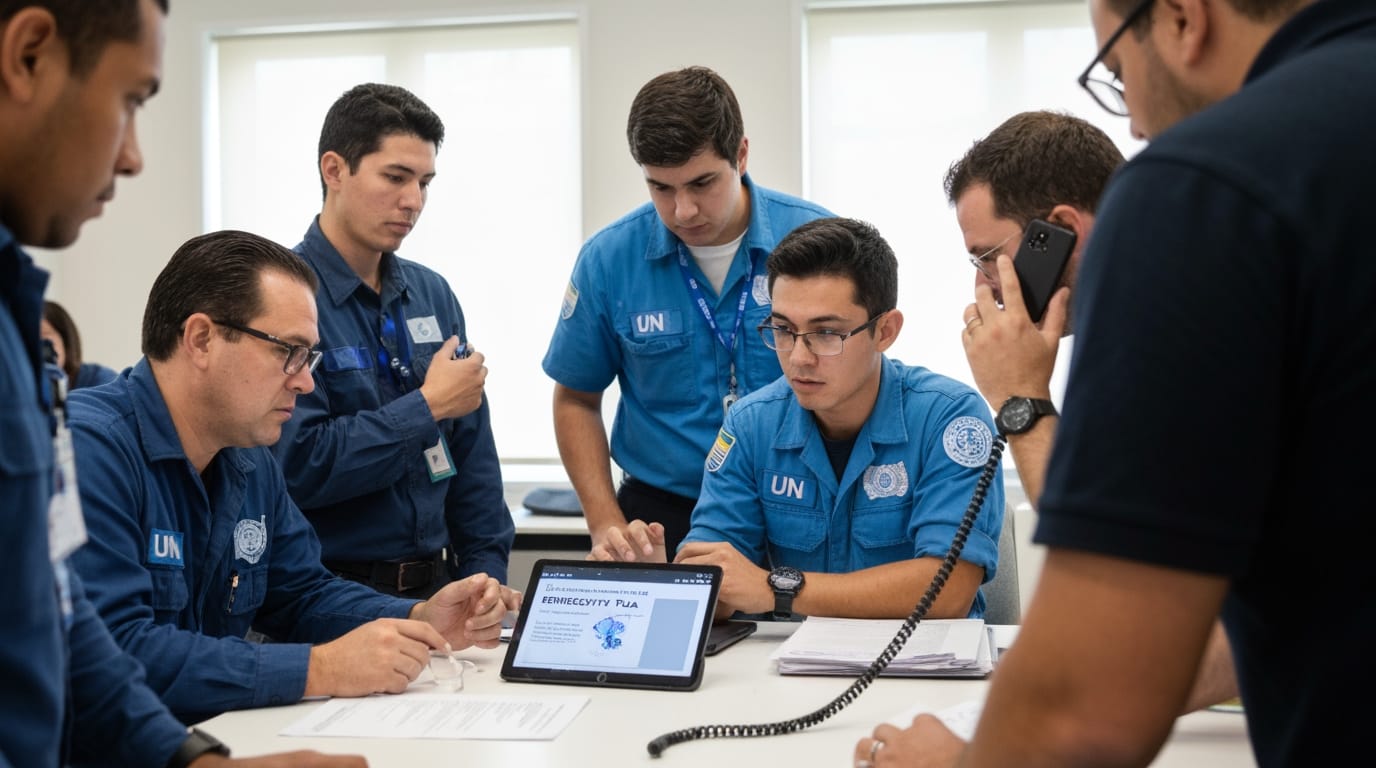
HAVANA – As Cuba grapples with an escalating energy crisis, the United Nations has unveiled a comprehensive $94.1 million emergency plan aimed at preventing a full-scale humanitarian collapse, while simultaneously engaging in delicate negotiations with the United States regarding the import of crucial fuel for aid operations. The island nation, already reeling from the effects of a de facto oil blockade imposed by the United States in January, faces a precarious future marked by widespread blackouts, food shortages, and a strained healthcare system, prompting urgent international appeals for assistance.
The Humanitarian Plea and the UN's Strategic Blueprint
Francisco Pichon, the UN coordinator in Cuba, presented the critical $94.1 million initiative this week, emphasizing its primary objective: to sustain essential services for Cuba's most vulnerable populations and avert tragic loss of life. The plan represents a significant expansion of the UN's existing efforts following Hurricane Melissa, which struck Cuba in October, now encompassing the broader humanitarian fallout from the profound energy deficit. Pichon underscored the dire consequences should the situation persist, stating that a rapid deterioration and potential loss of life are feared if the country's fuel reserves are exhausted.
Central to the UN's proposal is a "fuel traceability model," designed to ensure that any imported energy supplies are strictly allocated to prioritized, critical humanitarian services. This mechanism aims to address concerns regarding the distribution and use of aid, serving as a potential instrument to facilitate an agreement with the United States on humanitarian fuel access. The plan, presented to numerous diplomats and representatives from international non-governmental organizations, highlights the UN's commitment to finding practical solutions amidst complex geopolitical challenges.
The Roots of the Crisis: Blockade and Blackouts Deepen Hardship
The current crisis has its origins in the de facto oil blockade instituted by the administration of US President Donald Trump in January. This measure has severely exacerbated Cuba's long-standing economic struggles, plunging the country into an unprecedented energy shortage. The repercussions are acutely felt across the island, with Cubans enduring frequent and prolonged power outages, often lasting more than 20 hours, including two nationwide blackouts in the past week alone.
The lack of fuel has crippled essential infrastructure. UN staff have reported significant impediments to conducting fieldwork, and aid agencies face immense difficulties in retrieving vital shipments from Havana's airports due to the absence of operational capacity. Cuban President Miguel Diaz-Canel has implemented emergency measures, including stringent fuel rationing, in a desperate bid to conserve dwindling resources. UN Chief Antonio Guterres warned last month that Cuba risks a humanitarian "collapse" if it is denied access to oil, underscoring the severity of the situation.
A Nation Under Strain: The Human Cost of Scarcity
The human cost of the fuel and economic crisis is profound and far-reaching. Daily life for ordinary Cubans has become a struggle for survival. Food prices have skyrocketed, with a pound of chicken, for instance, reportedly increasing from approximately 18 Cuban pesos to 300 Cuban pesos, rendering basic necessities increasingly unaffordable. Many parents are reportedly going hungry to ensure their children have food. The scarcity extends to essential services, with reports of hospitals limiting surgeries due to power issues and a widespread lack of medicines.
Vulnerable populations are particularly at risk. An estimated five million people with chronic illnesses, thousands of cancer patients requiring continuous oncology care, and over 32,000 pregnant women face additional health risks due to the energy situation. Critical infrastructure such as water pumping systems, 84% of which rely on electricity, are directly compromised by prolonged outages, affecting households, health centers, and schools. The absence of gas for vehicles has led many to resort to charcoal for cooking, highlighting the desperate measures people are taking to cope. This crisis is widely considered one of the most severe challenges the Cuban people have faced in the last six decades.
Geopolitical Crossroads: US-UN Dialogue and International Response
The United Nations has engaged in ongoing discussions with Washington, seeking an agreement that would permit the delivery of fuel specifically for humanitarian purposes. While the US administration slightly eased its embargo last month to allow oil sales to Cuba's burgeoning private sector, the broader restrictions remain a significant barrier to alleviating the crisis. The UN's proposal for a "fuel traceability model" is seen as a key step toward building trust and facilitating such an agreement, by offering transparency on how humanitarian fuel would be utilized.
Internationally, there has been consistent opposition to the US blockade. The UN General Assembly has, for 33 consecutive years, overwhelmingly adopted resolutions calling for an end to the embargo, with the latest vote seeing 165 nations in favor, 7 against, and 13 abstaining. Beyond diplomatic efforts, a visible display of global solidarity emerged with the "Nuestra America convoy," comprising activists from 33 countries who delivered 20 tons of humanitarian aid, including food, medicine, and solar panels, to Cuba. These activists voiced their strong opposition to US sanctions and their support for the Cuban people, while Cuban President Miguel Diaz-Canel reaffirmed the nation's resolve to resist external pressures.
A Call for Urgent Resolution
Cuba stands at a critical juncture, with its population enduring profound hardships exacerbated by the confluence of natural disaster recovery, economic sanctions, and a severe energy crisis. The United Nations' emergency plan, coupled with its persistent diplomatic efforts, represents a vital lifeline aimed at mitigating the humanitarian fallout. The feasibility of this plan, however, hinges on the ability to secure crucial fuel imports amidst ongoing, complex talks with the United States. Without a swift and effective resolution to the fuel crisis, the risk of a deepening humanitarian catastrophe on the island remains a stark and pressing concern for the international community.


