UN Warns of Catastrophic AIDS Resurgence Following US Funding Cuts
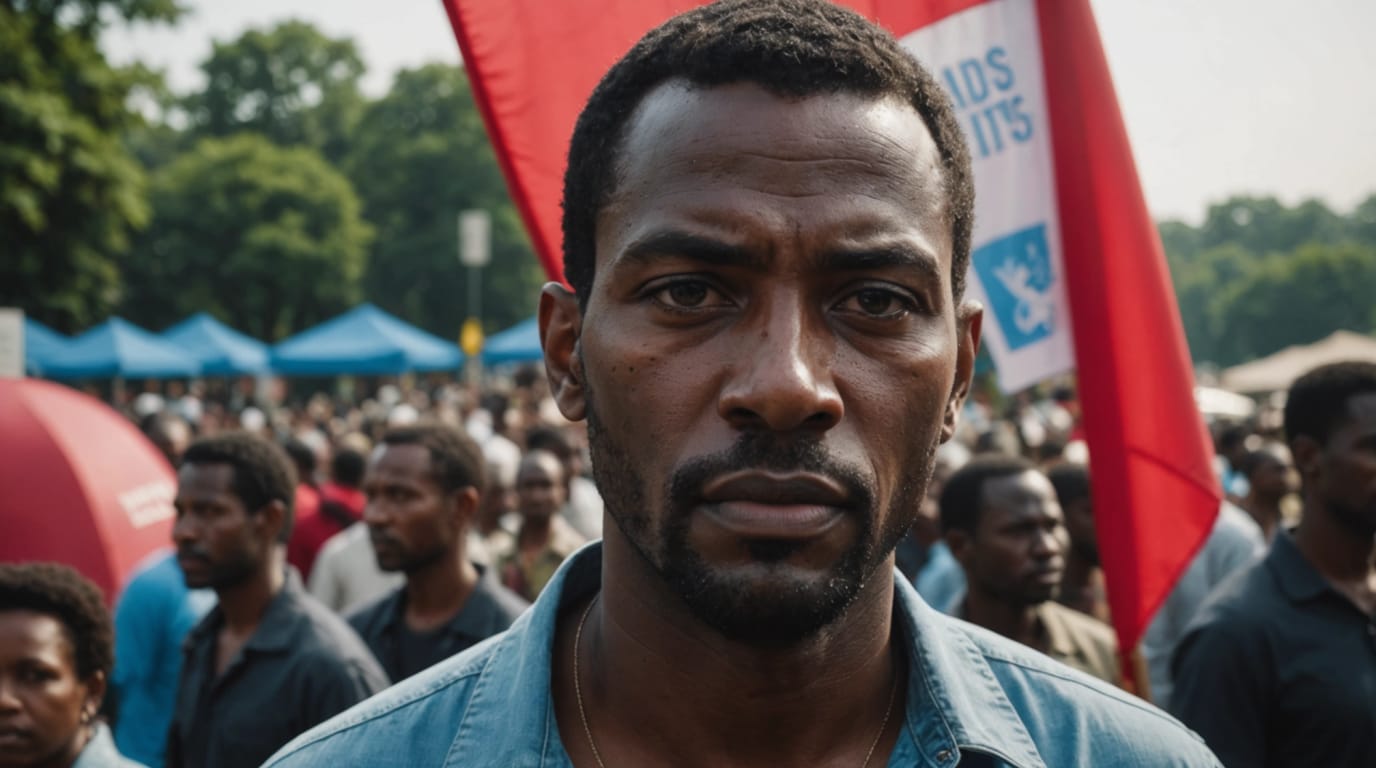
The United Nations is sounding the alarm over a potential resurgence of the AIDS epidemic, warning that millions more could die after the United States abruptly cut global health funding. The move has triggered widespread disruptions to HIV treatment, testing, and prevention programs in dozens of countries, threatening to undo decades of progress in combating the disease.
Immediate Impact: Service Shutdowns and Treatment Disruptions
The US government's recent decision to terminate USAID-funded global health programs has already had immediate and devastating consequences. Clinics have been shuttered, health workers laid off, and access to life-saving services has been severely curtailed for millions of people around the world.
UNAIDS reports that at least 55 countries have experienced funding cuts to HIV programs, including the halting of 55 HIV projects supported by the US President's Emergency Plan for AIDS Relief (PEPFAR) or that received partial US funding. Eight countries are in immediate danger of running out of antiretroviral (ARV) therapy, including Haiti, Kenya, Lesotho, South Sudan, Burkina Faso, Mali, Nigeria, and Ukraine.
A recent survey in a high-burden country in East Africa revealed that 62% of respondents reported difficulty accessing pre-exposure prophylaxis (PrEP), 46% of people living with HIV experienced disruptions in HIV treatment, and 23% received smaller amounts of ARVs. Viral load testing, community outreach, and condom distribution efforts have also been significantly impacted.
Potential for a Deadly Resurgence
The consequences of these funding cuts could be catastrophic. The World Health Organization (WHO) warns that disruptions to HIV programs could undo 20 years of progress, leading to more than 10 million additional cases of HIV and three million HIV-related deaths, more than triple the number of deaths last year.
Doctors Without Borders estimates that if PEPFAR were permanently discontinued without alternatives, this could result in an additional 6.3 million AIDS-related deaths and 8.7 million new HIV infections among adults globally by 2029.
Brooke Nichols, associate professor of global health at Boston University, estimates that more than 176,000 additional adults and children around the world could die from HIV if foreign aid is not restored before the end of 2025.
The US Role in Global Health Funding
The United States has historically been the largest donor to global health, providing an estimated $12.4 billion each year. In 2022, the US provided $15.8 billion in health Official Development Assistance (ODA), representing 30% of its total development assistance. Funding from the US accounted for 73% of international assistance to HIV from donor governments in 2021.
PEPFAR, established in 2003, has been credited with saving 26 million lives. The program facilitates HIV testing, treatment, and preventive services in 50 countries.
The recent funding cuts have raised concerns about the US commitment to global health and its role in combating infectious diseases.
Impact on Vulnerable Populations
The funding cuts are expected to disproportionately affect vulnerable populations, including sex workers, people who use drugs, and the LGBTQIA+ community. These groups often face criminalization and exclusion from health care, making them particularly susceptible to the negative impacts of reduced services.
UNAIDS reports that US-funded programs focused on gender equality and transgender populations may not resume, further marginalizing these communities.
The Way Forward
The international community is grappling with how to mitigate the impact of the US funding cuts. UNAIDS is working with governments and national AIDS authorities to assess the full impact of the cuts and ensure the continuation of critical HIV services.
Low- and middle-income countries are implementing short-term emergency measures to sustain their national AIDS responses. However, long-term solutions are needed to address the funding gap and prevent a resurgence of the epidemic.
Some potential solutions include:
- Other donors increasing their contributions to make up the shortfall.
- Philanthropic organizations bringing forth future spending into this year.
- Affected governments adapting quickly to mitigate disruptions and fill critical gaps.
The WHO is also mulling "terrible choices" as it tries to trim 25% of its budget in the wake of the US withdrawal from the body.
A Critical Juncture
The world stands at a critical juncture in the fight against AIDS. Decades of progress are at risk of being undone by the recent US funding cuts. Without swift and decisive action, millions more could die, and the goal of ending AIDS as a public health threat by 2030 could be unattainable. The global community must come together to address this crisis and ensure that the fight against AIDS continues unabated.


