Urgent Medical Evacuation Initiates First-Ever Emergency Return from International Space Station
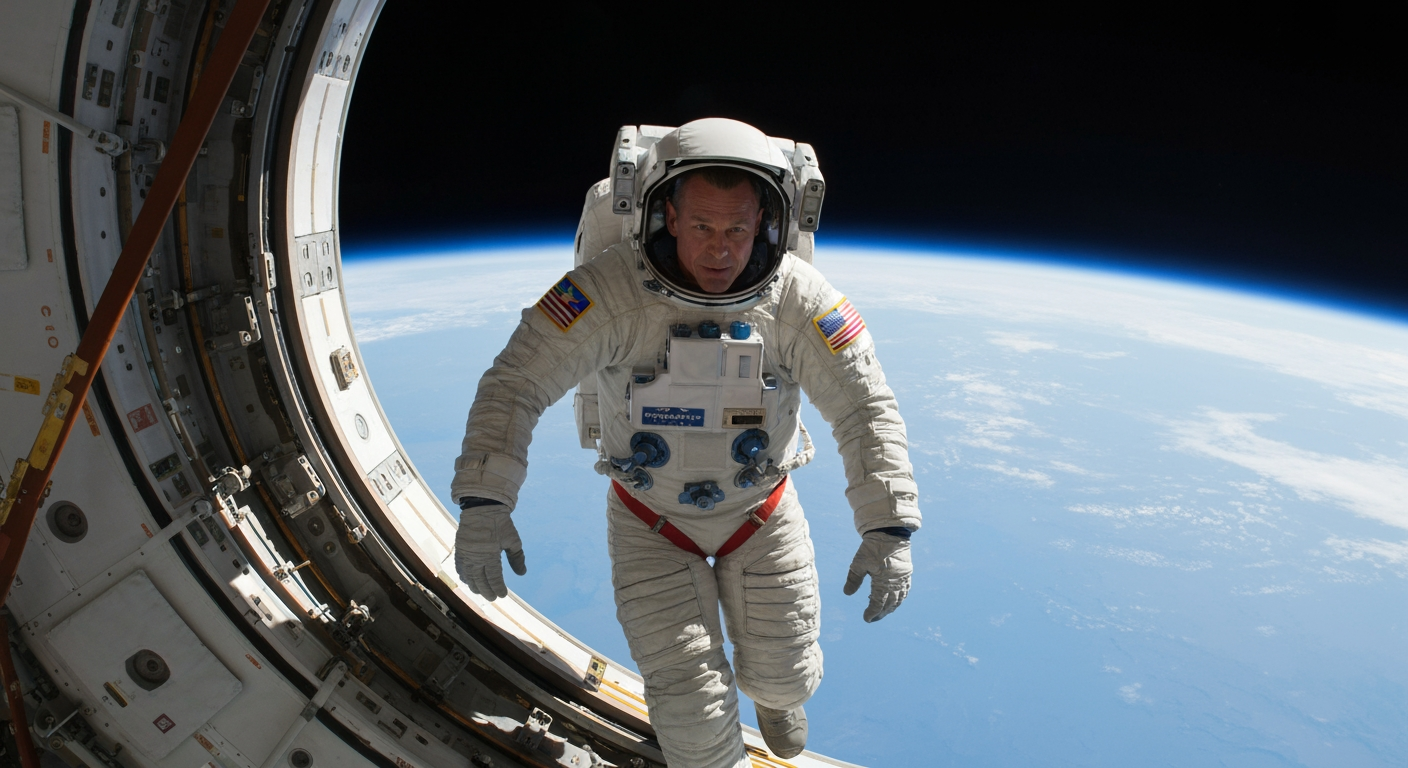
CAPE CANAVERAL, Fla. – In an unprecedented event for the International Space Station (ISS), a four-member crew is undertaking an urgent return to Earth, scheduled for a splashdown early Thursday, following a medical emergency involving one of the astronauts. The Crew-11 mission, comprising astronauts from NASA, Roscosmos, and JAXA, is departing the orbital outpost weeks ahead of schedule aboard a SpaceX Crew Dragon capsule, marking the first medical evacuation in the station's 25-year history of continuous human habitation.
The decision to initiate the early return underscores the paramount importance of crew safety in human spaceflight, even as details surrounding the affected astronaut's condition remain private. This swift response highlights the sophisticated, multi-national protocols in place for managing critical situations hundreds of miles above Earth, ensuring that while space is humanity's next frontier, the well-being of its pioneers remains the top priority.
The Unfolding Crisis and Immediate Response
The urgency of the situation became apparent on January 7, 2026, when NASA announced the postponement of a scheduled spacewalk due to an unspecified "medical concern" with a Crew-11 astronaut. Within days, the decision was made to bring the entire Crew-11 mission home early. NASA Administrator Jared Isaacman confirmed that while the astronaut is in stable condition, the ISS environment lacks the advanced diagnostic and treatment capabilities available on Earth, necessitating the immediate return.
The affected crew includes NASA astronauts Zena Cardman and Michael Fincke, Roscosmos cosmonaut Oleg Platonov, and Japan Aerospace Exploration Agency (JAXA) astronaut Kimiya Yui. They launched to the ISS in August 2025 and were originally slated to return in February 2026. The unexpected departure means they conclude their mission approximately a month ahead of schedule.
The return sequence began on January 14, with the crew preparing for undocking. The SpaceX Crew Dragon, serving as their "lifeboat," is expected to execute a parachute-assisted splashdown off the coast of California early on January 15. This maneuver, meticulously planned and rehearsed, demonstrates the critical role commercial spacecraft now play in ensuring continuous access and emergency egress from the ISS.
A Historic First for the Orbital Outpost
This medical evacuation stands as a singular event in the International Space Station's quarter-century of operation. Since its first permanent crew arrived in November 2000, more than 280 individuals have lived and worked aboard the orbiting laboratory, yet none have required an emergency return for health reasons until now. This remarkable safety record is a testament to the rigorous health screenings, continuous monitoring, and extensive medical training provided to astronauts, as well as the robust health maintenance facility on the ISS.
While medical incidents in space are rare, the long-duration environment of microgravity can present unique physiological challenges. Astronauts routinely experience shifts in fluid distribution, bone and muscle density loss, and radiation exposure, all of which are carefully monitored. The ISS is equipped with an onboard pharmacy and medical equipment, and crews are trained in emergency care, supported by real-time telemedicine consultations with flight surgeons on Earth. However, certain conditions necessitate terrestrial medical intervention, as evidenced by this mission.
Layered Safety Protocols and Contingency Planning
The ability to effect a rapid return to Earth in an emergency is a cornerstone of ISS operations. From its inception, planners recognized the need for "Assured Crew Return Vehicles" (ACRVs), or "lifeboats," to ensure crew safety in various scenarios, including medical emergencies, critical station malfunctions, or the unavailability of other transport. Historically, Russian Soyuz spacecraft served this role, with at least one Soyuz always docked to the ISS, capable of returning a three-person crew.
With the advent of commercial crew programs, SpaceX's Crew Dragon capsules have augmented this critical safety net. The Crew Dragon, like the Soyuz, remains docked to the station for the duration of a mission, ready for use as an emergency return vehicle. Its design includes an advanced launch abort system, successfully tested in 2020, capable of propelling the capsule and its crew to safety in the event of a launch anomaly. These abort systems are designed to operate at any point from the launch pad to orbit, greatly enhancing crew survivability.
The process for an emergency return is highly choreographed. Once the decision is made, the crew rapidly prepares the spacecraft, undocks, and initiates a deorbit burn to begin the journey back through Earth's atmosphere. The entire process, from undocking to splashdown, can be completed in a matter of hours. This rapid response capability is a testament to years of meticulous planning, training, and international cooperation between space agencies.
Implications for Future Space Exploration
The early return of Crew-11 has immediate implications for the ISS. With four astronauts departing, the station's population will temporarily decrease, with only three crew members remaining on board: NASA astronaut Chris Williams and two Russian cosmonauts. NASA is currently evaluating whether to advance the launch of the next rotational mission, Crew-12, to ensure continuous operational continuity on the station, typically maintained by overlapping crew rotations.
Beyond the immediate operational adjustments, this incident serves as a powerful reminder of the inherent risks of human spaceflight and the critical need for advancements in space medicine. As space agencies plan for longer-duration missions to the Moon and Mars, where Earth-based medical support will be even further removed, the ability to diagnose and treat complex medical conditions in situ will become increasingly vital. This event will undoubtedly prompt further review and enhancement of medical protocols, onboard diagnostic tools, and potential autonomous medical capabilities for future deep-space endeavors.
The safety and health of astronauts remain the unwavering priority for all spacefaring nations. The emergency return of Crew-11, while a challenging moment, also stands as a testament to the robust safety infrastructure, collaborative spirit, and technological prowess that underpin humanity's continued exploration of space. It reinforces the understanding that while the cosmos beckons, safeguarding those who venture into it is a mission of paramount importance.
Related Articles


Skull Bone Marrow Reveals Hidden 'Immune Hubs,' Reshaping Brain Defense Paradigm
ST. LOUIS, MO – In a discovery poised to fundamentally alter our understanding of brain immunity, scientists at Washington University School of Medicine in St. Louis have identified previously unrecognized lymph...


Unpacking the Link: How Dietary Fats Influence Colorectal Cancer Risk
Colorectal cancer, a significant global health concern, is increasingly linked to modern dietary habits, with particular attention turning to the role of fatty foods. While the relationship is complex and nuanced,...