US-Iran Deal Remains Elusive: Deep Divisions Persist Over Nuclear Ambitions, Sanctions, and Regional Influence
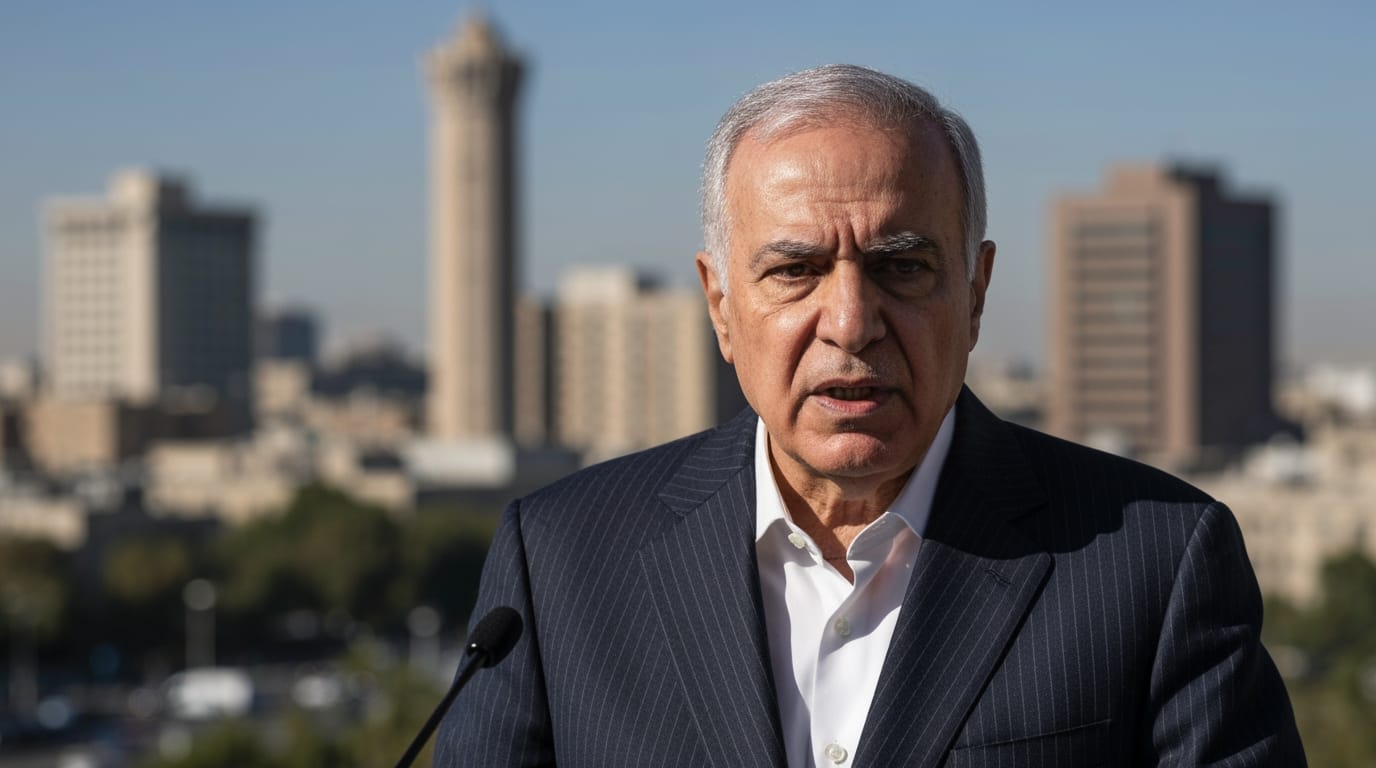
Negotiations between the United States and Iran aimed at forging a comprehensive peace deal continue to be marred by profound disagreements, leaving the future of regional stability and global energy markets in a precarious balance. Despite recent efforts and reported progress, critical sticking points concerning Iran's nuclear program, the scope of sanctions relief, and Tehran's regional activities present formidable hurdles to any lasting agreement. The prolonged stalemate underscores a deep-seated mistrust that threatens to derail diplomatic solutions and perpetuate a cycle of tension.
The Nuclear Quandary: Enrichment, Stockpiles, and Inspections
At the core of the diplomatic impasse lies Iran's nuclear program, specifically its uranium enrichment capabilities and stockpiles. The United States continues to demand that Iran entirely cease enriching uranium and dispose of its existing inventory of highly enriched uranium, which reportedly stood at approximately 400 kilograms. These demands are rooted in a long-standing objective to prevent Tehran from developing a nuclear weapon. Conversely, Iran has consistently refused such demands, asserting its sovereign right to enrich uranium for civilian energy purposes, a claim met with skepticism by some Western governments.
A potential pathway, previously proposed in May 2025, involved a regional enrichment consortium that would permit Iran to continue enriching uranium, but only to low levels suitable for civilian energy production. However, the feasibility of such an arrangement remains contested, particularly given Iran's insistence on maintaining its enriched uranium stockpile within its borders, while the U.S. has urged its transfer to a third country. Inspections by the UN nuclear watchdog, the International Atomic Energy Agency (IAEA), and Iran's commitment to implementing the Additional Protocol, which allows for surprise inspections at undeclared sites, are also central to U.S. and international demands for transparency and verification.
Sanctions Relief Versus Economic Pressure: A Tug-of-War
Another significant obstacle revolves around the extensive economic sanctions imposed on Iran and Tehran's demands for their comprehensive lifting. Iran's conditions for a deal include the unfreezing of its assets abroad, the lifting of a U.S. naval blockade, and freedom to sell its oil without restrictions. The U.S. has applied economic pressure to compel Iran to negotiate, with past proposals involving concessions in these areas. However, the extent of sanctions relief and the mechanisms for their removal remain contentious.
A key concern for Iran is the assurance that any sanctions relief would be permanent and irreversible, preventing a repeat of previous U.S. withdrawals from agreements, which has eroded trust. The U.S. approach often involves the possibility of "snapback" sanctions if Iran fails to comply with an agreement, a mechanism that Iran views with deep suspicion. The Strait of Hormuz, a crucial global waterway for oil and liquefied natural gas, further complicates this dynamic. Iran has, at times, leveraged its control over the strait, threatening to throttle traffic, which in turn elevates global energy prices and highlights the economic stakes involved in the negotiations.
Beyond Nuclear: Ballistic Missiles and Regional Influence
The scope of the deal extends beyond Iran's nuclear capabilities to encompass its ballistic missile program and its activities in the Middle East. The United States seeks to restrict Iran's ballistic missile program, imposing limits on the range and number of its missiles to prevent Tehran from threatening regional allies like Israel or potentially using them as delivery systems for nuclear warheads. Iran's current 2,000-kilometer missile range allows it to strike targets in Israel, and its shorter-range missiles can reach U.S. military bases in the Persian Gulf.
However, Iran views its ballistic missile program as a vital component of its defensive strategy and a non-negotiable asset, repeatedly stating its unwillingness to discuss these capabilities. Similarly, Iran's support for various armed groups, often referred to as the "resistance front," across the Middle East is a significant point of contention. The U.S. and its allies demand an end to this support, viewing it as a destabilizing force in the region. Iranian officials, such as lawmaker Ebrahim Rezaei, have underscored the importance of this "resistance front," particularly regarding issues like Lebanon, and have indicated that Tehran will not abandon these alliances. This divergence highlights a fundamental difference in strategic priorities, with the U.S. aiming to curtail Iran's regional power projection and Iran viewing these relationships as integral to its security architecture.
The Trust Deficit: A Deep-Seated Obstacle
Perhaps the most pervasive and challenging sticking point is the profound lack of trust between Washington and Tehran. Senior Iranian lawmakers have articulated a perspective where negotiations are seen as an "extension of the battlefield," viewing diplomacy as part of a broader struggle rather than a straightforward path to mutual agreement. This sentiment is exacerbated by past experiences, including the U.S. withdrawal from previous agreements, which has fostered a demand from Iran for genuine sincerity and concrete assurances from the U.S. that any future deal would be honored.
Iranian officials point to the issue of frozen assets abroad and the perceived lack of serious effort from Washington to establish an implementable framework as evidence of ongoing insincerity. While U.S. officials express confidence in their negotiating position and the potential for a "home-run win" for the American people, the Iranian side remains wary, demanding guarantees against future policy reversals. This enduring trust deficit complicates every aspect of the negotiations, requiring not just technical agreements but also a fundamental shift in perception for any deal to truly succeed.
Conclusion
The path toward a comprehensive U.S.-Iran deal remains fraught with formidable challenges. From the highly technical and sensitive issues surrounding nuclear enrichment and inspections to the intricate geopolitical considerations of sanctions relief and regional influence, the divisions are deep. Compounding these complexities is a pervasive lack of trust, making each point of negotiation a testament to historical grievances and deeply entrenched strategic imperatives. While both sides express a desire to avoid further conflict and stabilize the region, the fundamental disagreements over national security priorities and the terms of engagement continue to impede progress, leaving the world to watch as diplomats navigate a high-stakes standoff with global ramifications.


