US-Iran Peace Deal Sparks Global Hopes, Israeli Outrage
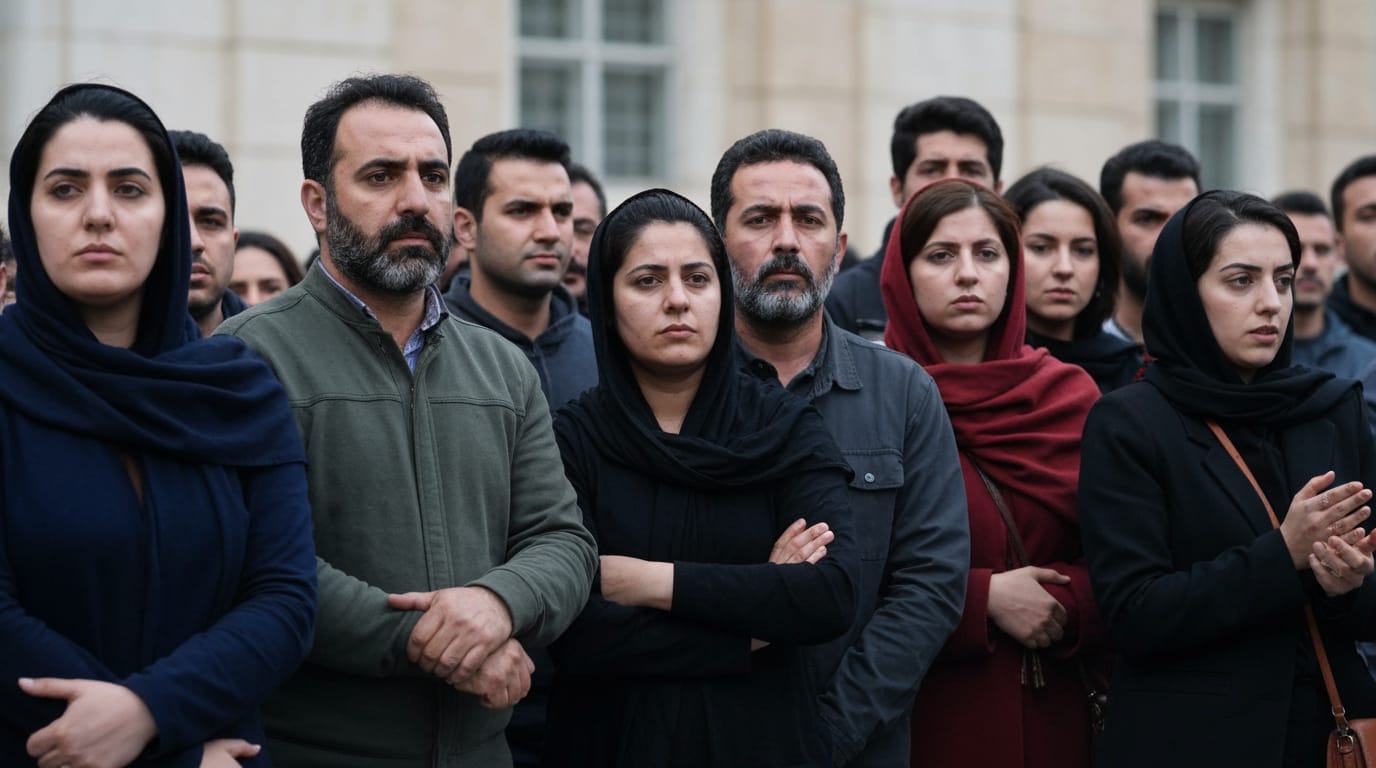
A landmark preliminary peace agreement between the United States and Iran has been announced, reportedly ending months of military conflict and signaling a path toward de-escalation in the volatile Middle East. While world leaders broadly welcomed the development as a crucial step towards regional stability and lower energy prices, the deal has ignited fierce condemnation from Israel, which views the terms as a significant threat to its national security. This reported breakthrough comes after intense diplomatic efforts, primarily mediated by Pakistan, to halt a conflict that has disrupted global commerce and raised fears of a wider conflagration.
The Contours of a Tentative Truce
The reported agreement, described as a Memorandum of Understanding (MOU), was publicly acknowledged by US President Donald Trump and confirmed by Iranian officials, including Deputy Foreign Minister Kazem Gharibabadi, with Pakistan's Prime Minister Shehbaz Sharif playing a key mediating role. This is not a final peace treaty but rather an initial framework designed to establish a 60-day ceasefire period, during which further negotiations on more complex issues are expected to take place.
Central to the MOU is an immediate and permanent cessation of hostilities across all fronts, including in Lebanon, which has seen ongoing conflict between Israel and Hezbollah despite a previous ceasefire. A critical component of the agreement is the reopening of the Strait of Hormuz, a vital chokepoint through which approximately one-fifth of the world's oil supply normally passes, and which has been effectively closed since late February. The US has committed to ending its naval blockade of Iranian ports, while Iran has pledged to demine the strait and refrain from imposing tolls on vessels transiting the area.
Beyond immediate de-escalation, the MOU sets the stage for future discussions on Iran's nuclear program, the lifting of US sanctions, and broader regional security concerns. Reports suggest the deal involves the release of $24 billion to $35 billion in frozen Iranian assets, with a portion of these funds potentially becoming available before the final negotiations commence. Iran has also reportedly reaffirmed its commitment to the Nuclear Non-Proliferation Treaty, vowing not to produce nuclear weapons, while the US has committed not to interfere in Iran's internal affairs and to withdraw forces from around Iran. A formal signing ceremony for this MOU is anticipated on Friday, June 19, in Switzerland.
A Cautious Welcome from the World Stage
The news of a preliminary peace agreement has been met with a mixture of relief and cautious optimism across the international community. United Nations Secretary-General Antonio Guterres welcomed the announcement, describing it as a "critical step towards the peaceful settlement of the conflict." Leaders from the United Kingdom, France, Germany, and Italy (the E4) issued a joint statement acknowledging the agreement while reiterating that "Iran must never acquire a nuclear weapon" and expressing readiness to work with all parties to that end. Australian Prime Minister Anthony Albanese also lauded the agreement, emphasizing the need for de-escalation and continuous efforts towards lasting peace.
Economically, the immediate impact was tangible. Brent crude oil prices fell sharply by over 4% following the announcement, reflecting market expectations of increased global oil supplies and reduced geopolitical risk. Stock markets in Asia and Europe also registered gains, signaling renewed confidence in global commerce. Analysts suggest the reopening of the Strait of Hormuz could alleviate pressure on global energy markets and contribute to lower energy prices for consumers worldwide. Beyond economic considerations, many hope the deal will reduce the risk of a broader regional conflict and foster greater stability in the Middle East.
Israel's Vehement Opposition and Security Concerns
In stark contrast to the international relief, Israel has reacted with profound anger and disappointment to the reported peace deal. Israeli officials and citizens alike have vocally denounced the agreement, asserting that it undermines Israel's security and fails to adequately address the threats posed by Iran. Finance Minister Bezalel Smotrich took to social media to declare the agreement "bad for Israel and for the entire free world," vowing that Israel would continue its campaign against Iran independently. National Security Minister Itamar Ben Gvir echoed this sentiment, stating that "Trump's agreement does not bind us" and that Israel is "not a banana republic."
A primary point of contention for Israel is the perceived failure of the preliminary agreement to definitively curb Iran's nuclear ambitions and its support for regional proxy groups, such as Hezbollah in Lebanon. Despite the inclusion of a ceasefire in Lebanon as part of the deal, Israeli officials have indicated their intention to maintain "full freedom of action" in the region. This deep-seated mistrust stems from historical tensions and ongoing security challenges, with Israel viewing a nuclear-capable Iran as an existential threat. Some Israeli political figures have also criticized their own government's handling of the situation, claiming it has led to a weaker strategic position.
Unresolved Issues and Lingering Skepticism
While the reported MOU represents a significant diplomatic step, it is widely acknowledged as merely the beginning of a long and complex process. The specific terms of the agreement have not been fully released to the public, leading to some discrepancies in understanding between the parties. For instance, Iranian Deputy Foreign Minister Gharibabadi stated that negotiations on the nuclear program could only begin if the US releases billions of dollars in frozen Iranian funds, a claim the US has reportedly dismissed. Such differing interpretations highlight the potential for future hurdles.
Experts also caution against assuming a swift return to pre-conflict stability, particularly in energy markets, as restoring damaged infrastructure and ensuring secure navigation through the Strait of Hormuz could take time. The overarching challenge remains the negotiation of a comprehensive agreement on Iran's nuclear program, an issue that has plagued international diplomacy for decades. The war, according to some analyses, may have even emboldened Iranian hardliners, potentially strengthening their resolve to pursue a nuclear deterrent, rather than leading to regime change. The initial 60-day ceasefire period is seen as a fragile window to bridge these significant gaps and build trust where little has existed for decades.
The long and troubled history of US-Iran relations, marked by events such as the 1953 coup, the 1979 Islamic Revolution, and the subsequent hostage crisis, underscores the deep-seated mistrust and animosity that both sides must overcome. The current conflict itself began after a 60-day deadline set by the US for a nuclear agreement passed without resolution in April 2025, leading to Israeli strikes against Iran and an ensuing war.
A Fragile Path Forward
The reported peace deal between the United States and Iran is a testament to the persistent efforts of diplomacy in the face of escalating conflict. It has brought a collective sigh of relief to a world anxious about regional instability and economic disruption, evidenced by falling oil prices and positive international reactions. Yet, the vehement opposition from Israel and the inherent complexities of the unresolved issues, particularly Iran's nuclear ambitions and regional influence, underscore the fragility of this breakthrough. The upcoming formal signing and subsequent 60-day negotiation period will be crucial in determining whether this initial step can pave the way for a lasting peace, or if it merely offers a temporary reprieve in a deeply entrenched geopolitical struggle. The path ahead remains fraught with challenges, requiring sustained commitment, difficult compromises, and a delicate balancing act to transform a preliminary understanding into a durable solution for the Middle East.


