US Lifts Bounties on Key Taliban Leaders in Apparent Policy Shift
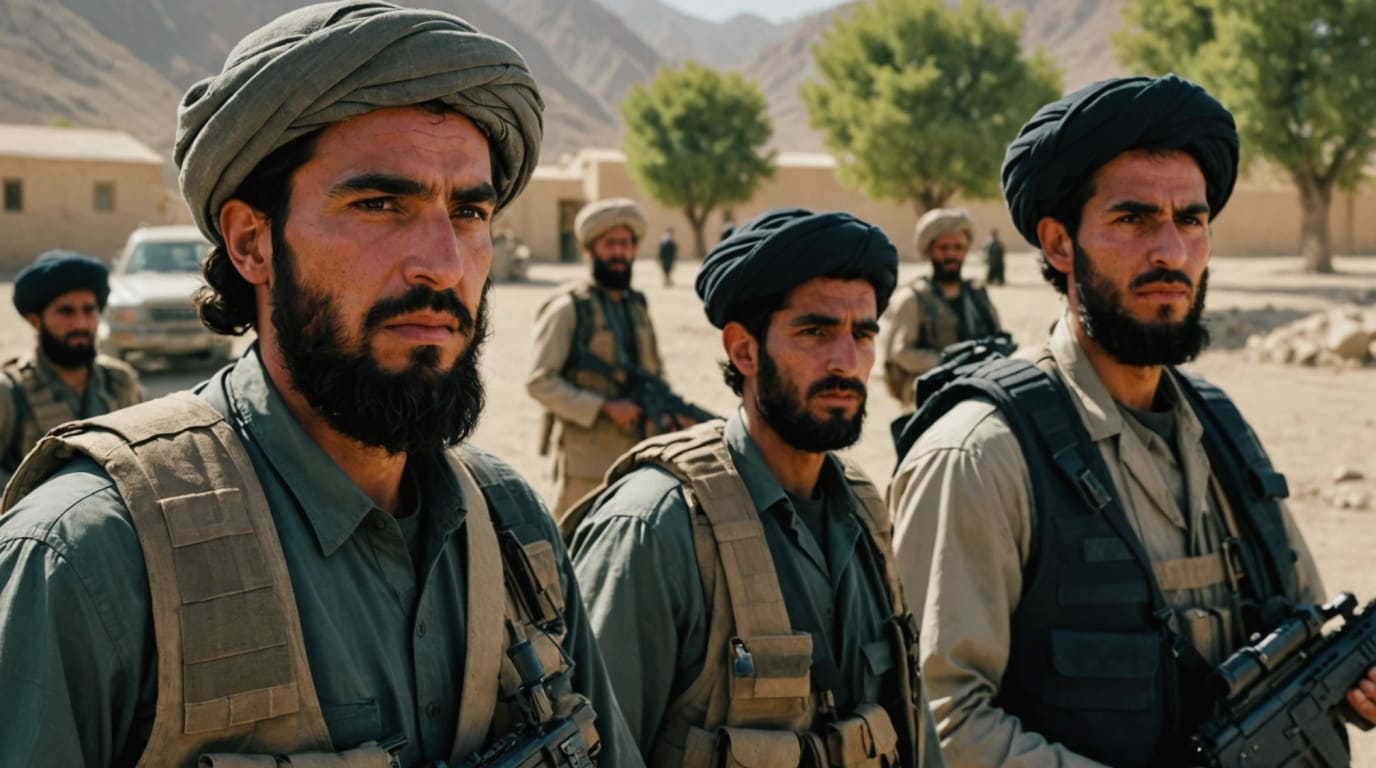
In a move signaling a potential shift in U.S. foreign policy, the United States has removed multimillion-dollar bounties on several key Taliban leaders, including Sirajuddin Haqqani, the current interior minister of Afghanistan. The decision, confirmed by both the U.S. State Department and the Taliban government, comes after high-level talks between U.S. officials and Taliban representatives in Kabul and follows the release of an American citizen who had been held in Afghanistan since 2022.
The removal of the bounties affects Sirajuddin Haqqani, who also heads the Haqqani network, as well as Abdul Aziz Haqqani and Yahya Haqqani. While the men remain on the U.S. list of "Specially Designated Global Terrorists," the monetary reward for their capture has been rescinded. Sirajuddin Haqqani, in particular, had a $10 million bounty on his head for years, making him one of Washington's most sought-after targets.
The Haqqani network, a powerful faction within the Taliban, has been responsible for some of the deadliest attacks against U.S. and NATO forces in Afghanistan. Founded in the 1980s with initial backing from the U.S. against Soviet forces, the group later became known for its use of roadside bombs, suicide bombings, and other attacks, including those targeting the American and Indian embassies, as well as NATO forces.
A Diplomatic Overture?
The timing of the bounty removal, just days after a U.S. delegation met with Taliban officials in Kabul, suggests a possible link between the two events. The U.S. team, which included hostage envoy Adam Boehler, secured the release of George Glezmann, an American tourist who had been detained in Afghanistan since December 2022.
Taliban authorities have hailed the removal of the bounties as a major diplomatic success. Abdul Mateen Qani, a spokesperson for the Taliban's interior ministry, stated that it marks a step towards "positive interaction and confidence-building" with the U.S. Zakir Jalaly, a Foreign Ministry official, echoed this sentiment, saying the release of Glezmann and the removal of bounties demonstrate both sides are "moving beyond the effects of the wartime phase and taking constructive steps to pave the way for progress" in bilateral relations.
Pragmatism or Premature Concession?
The U.S. State Department has characterized the move as part of a consistent review and refinement of its Rewards for Justice program. A spokesperson stated that "it is the policy of the United States to consistently review and refine Rewards for Justice reward offers." However, the decision has sparked debate among analysts and observers.
Some view the removal of the bounties as a pragmatic step towards engaging with the current Afghan government. Ibraheem Bahiss, a senior analyst with the International Crisis Group, suggested that it could be a way for the U.S. to "reward those who made compromises," even if those compromises don't translate to broader national policy changes. Abdul Wahed Faqiri, a U.S.-based Afghan political analyst, said the bounty removal is likely "largely symbolic" but a way for the United States to "give credit to Sirajuddin Haqqani," seen as an emerging more moderate "alternative."
Others are more skeptical, arguing that it could be seen as a premature concession to a group that has not fully renounced violence or severed ties with terrorist organizations. They point to the Haqqani network's continued designation as a Foreign Terrorist Organization and the fact that the individuals remain on the Specially Designated Global Terrorists list as evidence that the U.S. still views them as a threat.
Internal Taliban Dynamics
The decision also comes at a time when reports indicate internal divisions and a power struggle within the Taliban, particularly between Sirajuddin Haqqani and Mullah Akhundzada, the supreme leader of the Taliban. The assassination of Sirajuddin Haqqani's uncle in December 2024 has been linked to this ongoing power struggle. Some analysts believe that the U.S. move could strengthen Haqqani's position within the Taliban, potentially fostering further negotiations with the West.
Implications for the Future
The removal of bounties on key Taliban leaders represents a significant gamble by the U.S. government. It remains to be seen whether this move will lead to a more constructive relationship with the Taliban, or whether it will be interpreted as a sign of weakness. The success of this policy shift will likely depend on the Taliban's willingness to address U.S. concerns regarding terrorism, human rights, and regional stability. The world will be watching closely to see how this new chapter in U.S.-Afghanistan relations unfolds.


