US Rejects Iranian Peace Proposal, Citing Nuclear Delay Concerns
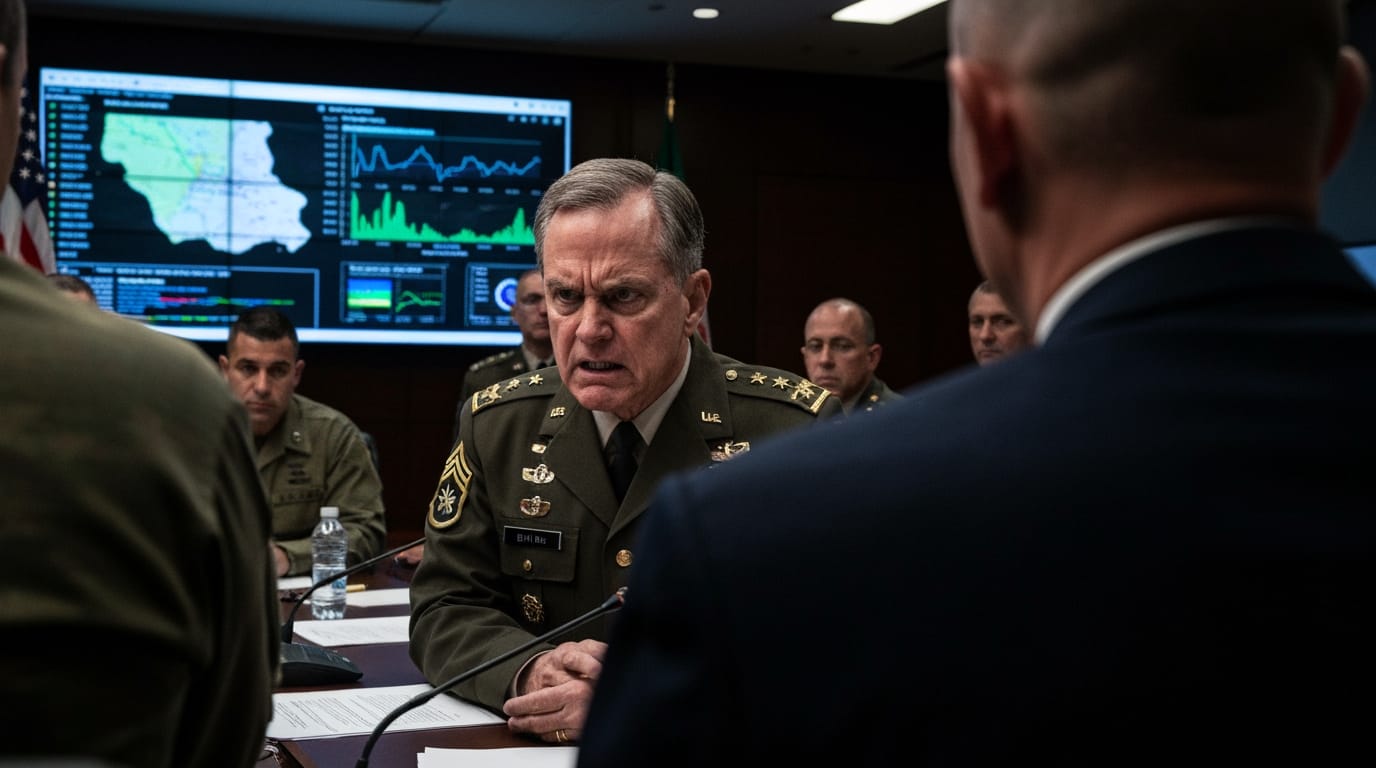
WASHINGTON D.C. – The United States has swiftly rejected a recent peace overture from Iran that sought to de-escalate current hostilities and reopen the vital Strait of Hormuz in exchange for postponing discussions on Tehran's nuclear program. U.S. officials, including President Donald Trump, expressed significant reservations, emphasizing that addressing Iran's nuclear ambitions remains a non-negotiable prerequisite for any lasting agreement. This diplomatic stalemate underscores the profound chasm between the two nations, prolonging a conflict that has already disrupted global energy markets and fueled economic uncertainty.
The Iranian proposal, conveyed to Washington through Pakistani intermediaries, outlined a phased approach aimed at ending the current state of conflict. At its core, the initiative suggested an immediate cessation of the US-Israel war on Iran and guarantees against any resumption of hostilities. This would be followed by a resolution of maritime tensions, specifically calling for the lifting of the US naval blockade on Iranian ports and vessels, and the reopening of the strategically crucial Strait of Hormuz. Only after these initial steps, Iran proposed, would more sensitive issues, including its nuclear program and uranium enrichment rights, be addressed in future negotiations. Tehran's foreign minister reportedly indicated that the US was seeking dialogue only after failing to achieve its military objectives, while also hinting at Iran's desire for an acknowledgment of its right to peaceful uranium enrichment.
Washington, however, viewed the sequencing of the Iranian proposal as fundamentally unacceptable. President Trump, following a high-level meeting with national security aides on Monday, signaled his strong inclination to reject the plan, reportedly stating he was "not satisfied" with the offer. The primary concern articulated by US officials is that agreeing to reopen the Strait of Hormuz and lift the blockade without first securing commitments on the nuclear program would strip the United States of significant diplomatic leverage. Secretary of State Marco Rubio, in a recent interview, unequivocally stressed that any prospective deal "must definitively prevent them from sprinting towards a nuclear weapon at any point," underscoring that the nuclear issue "still remains the core issue here." President Trump has consistently maintained that preventing Iran from developing nuclear weapons was a key impetus behind the ongoing conflict, a stance that remains central to the administration's foreign policy objectives.
The current diplomatic impasse is a direct consequence of a deepening conflict marked by military actions and economic blockades. The US naval blockade, designed to curb Iran's oil exports and deprive it of crucial revenue, has severely impacted global energy supplies. The closure or significant disruption of the Strait of Hormuz, a choke point through which approximately one-fifth of the world's traded oil and gas passes, has contributed to a sharp rise in oil and gasoline prices globally, directly impacting American consumers and fueling inflation. This economic pressure, while intended to compel Iran to the negotiating table on US terms, also carries risks for the global economy and puts pressure on Gulf allies dependent on the waterway. The roots of this crisis stretch back to the 2015 Joint Comprehensive Plan of Action (JCPOA), or Iran nuclear deal, from which the United States unilaterally withdrew in 2018 under the Trump administration, subsequently reimposing sanctions. Iran, in response, gradually began to renege on its commitments under the deal, accelerating its uranium enrichment activities and limiting international inspections. Negotiations for a new nuclear peace agreement between Iran and the United States commenced in April 2025, but the failure to reach a consensus within a 60-day deadline set by President Trump eventually led to the current state of hostilities after Israel initiated strikes against Iran.
Adding another layer of complexity to the already fraught negotiations are reports of internal divisions within Iran's leadership. American representatives have voiced wariness regarding who truly holds ultimate decision-making authority over a potential agreement, making it challenging to ascertain the sincerity and viability of any proposed resolution. While diplomatic efforts continue through intermediaries like Pakistan and Oman, hopes for a swift resolution remain dim given the fundamental disagreement over the sequencing of nuclear discussions versus de-escalation measures. Both sides appear entrenched in their positions, with Iran blaming US "excessive demands" for previous talks' failures, and the US maintaining that Iran's nuclear program is the paramount concern.
As the stalemate persists, the implications for regional stability and the global economy remain significant. The current "war" has already taken a toll, and the continued disruption of vital shipping lanes poses a threat to international trade and energy security. Without a breakthrough on the core issue of Iran's nuclear program, or a mutually acceptable framework for addressing it, the path forward appears fraught with challenges, leaving the international community to grapple with the ongoing tensions and their far-reaching consequences. The imperative for a diplomatic resolution that addresses the concerns of all parties, particularly the critical issue of nuclear non-proliferation, grows more urgent with each passing day.


