US Strikes Yemen Fuel Port as Hamas Rejects 'Partial' Truce
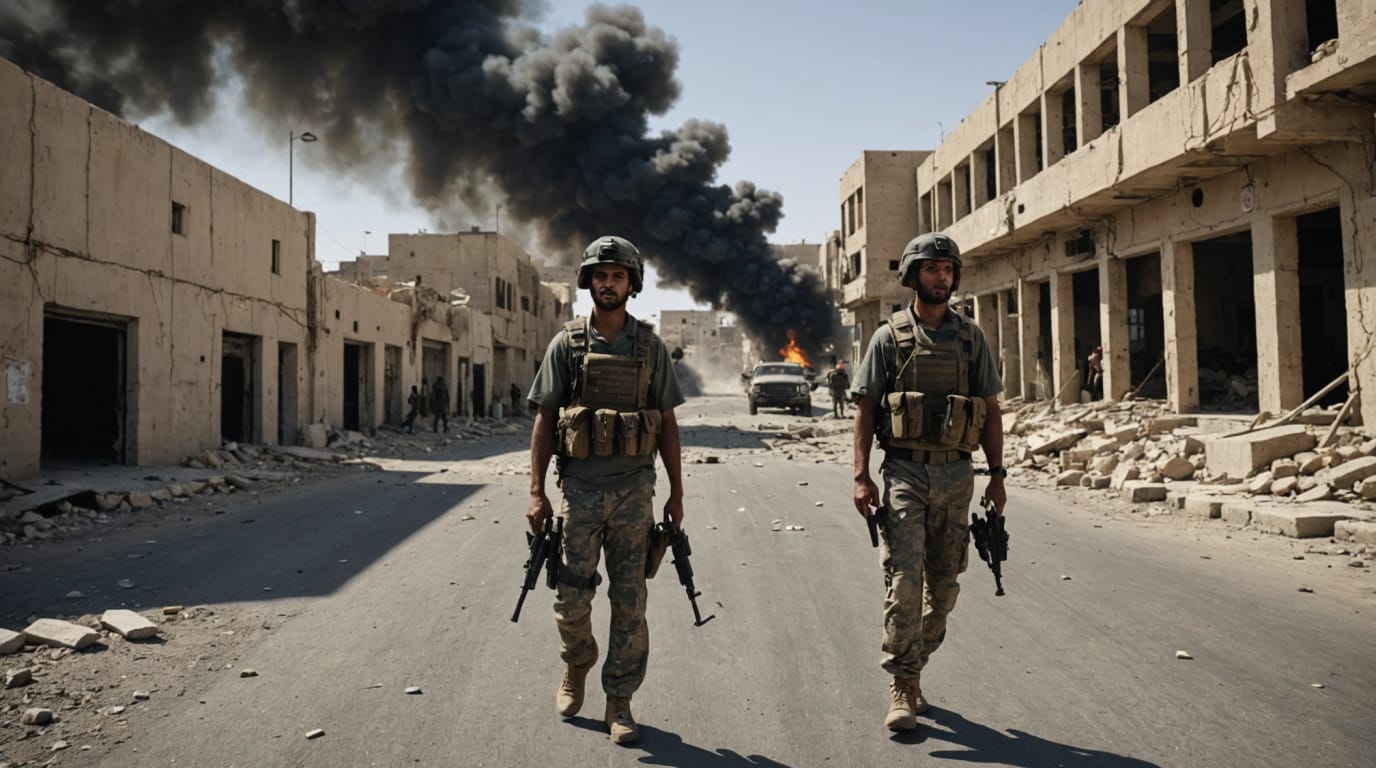
Tensions in the Middle East escalated Thursday as the U.S. military conducted strikes against a fuel port in Yemen controlled by Houthi rebels, while Hamas rejected an Israeli proposal for a partial ceasefire in Gaza. The intertwined events underscore the complexities of the ongoing conflicts and the challenges facing international efforts to de-escalate the region.
US Action in Yemen
The U.S. Central Command (CENTCOM) confirmed that U.S. forces struck the Ras Isa fuel port in western Yemen. CENTCOM stated the action aimed to eliminate a key source of funding for the Iran-backed Houthi rebels, who have been using revenue from fuel sales to finance their military activities. The U.S. military said the strike was intended to economically impact the Houthis without harming the Yemeni people.
Conflicting reports emerged regarding casualties from the strike. Houthi officials claimed that the strikes killed at least 13 workers and employees at the port and wounded 30 others. Graphic footage purportedly showing the aftermath of the attack, including corpses, was aired on the Houthi-controlled al-Masirah satellite news channel. CENTCOM did not acknowledge any casualties in its initial statement.
The Houthis have controlled the Ras Isa port, using it to import fuel and generate revenue. The U.S. has been targeting Houthi assets in Yemen as part of its broader strategy to counter Iranian influence in the region and to deter Houthi attacks on international shipping lanes in the Red Sea.
Hamas Rejects Ceasefire Proposal
Meanwhile, Hamas rejected a proposal for a partial ceasefire and hostage release deal with Israel. Khalil al-Hayya, Hamas's leader in Gaza, stated that the proposal did not meet the group's demands for a complete end to the war and a full withdrawal of Israeli forces from the Gaza Strip. Al-Hayya accused Israeli Prime Minister Benjamin Netanyahu of using partial agreements to prolong the conflict.
Hamas has stated its willingness to negotiate a comprehensive agreement that includes the release of all hostages in exchange for Palestinian prisoners, a complete Israeli withdrawal from Gaza, and commitments for reconstruction. However, these demands have been a sticking point in negotiations.
Stalled Negotiations and Rising Tensions
Egyptian mediators have been attempting to revive a January ceasefire agreement that temporarily halted fighting in Gaza. However, progress has been limited, with both Israel and Hamas blaming each other for the lack of a deal. The latest round of talks in Cairo ended without a breakthrough.
The rejection of the ceasefire proposal has led to increased calls within Israel for a more aggressive military response. Finance Minister Bezalel Smotrich called for opening "the gates of hell on Hamas," while National Security Minister Itamar Ben Gvir urged increased military pressure until Hamas is "on its knees begging."
Humanitarian Crisis Worsens
The ongoing conflict has exacerbated the humanitarian crisis in Gaza. International organizations have warned of widespread food insecurity and a collapse of the healthcare system. Restrictions on aid entering Gaza have further complicated the situation.
The World Food Program (WFP) recently halted food shipments to Houthi-held areas of Yemen and suspended food distribution there after the militants looted one of its warehouses. The WFP estimates that some 17 million people in Yemen – nearly half the country's population – are food insecure.
Implications for Regional Stability
The U.S. strike in Yemen and the stalled ceasefire negotiations between Israel and Hamas highlight the fragility of the region and the potential for further escalation. The intertwined conflicts in Yemen and Gaza are fueled by complex political, economic, and sectarian factors, making it difficult to achieve lasting peace.
The U.S. faces the challenge of balancing its strategic interests in the region with the need to address the humanitarian crises and prevent further loss of life. The failure to achieve a ceasefire in Gaza and a political resolution in Yemen could have far-reaching consequences for regional stability and international security.
Future Outlook
As the conflicts continue, the prospects for peace remain uncertain. The U.S. is likely to maintain its military presence in the region and continue to exert pressure on the Houthis and Hamas. However, a long-term solution will require addressing the underlying causes of the conflicts and fostering a more inclusive political process. The international community must work together to provide humanitarian assistance, promote dialogue, and support efforts to achieve a just and sustainable peace.