Deadly Flash Floods Ravage Morocco's Safi, Claiming 21 Lives
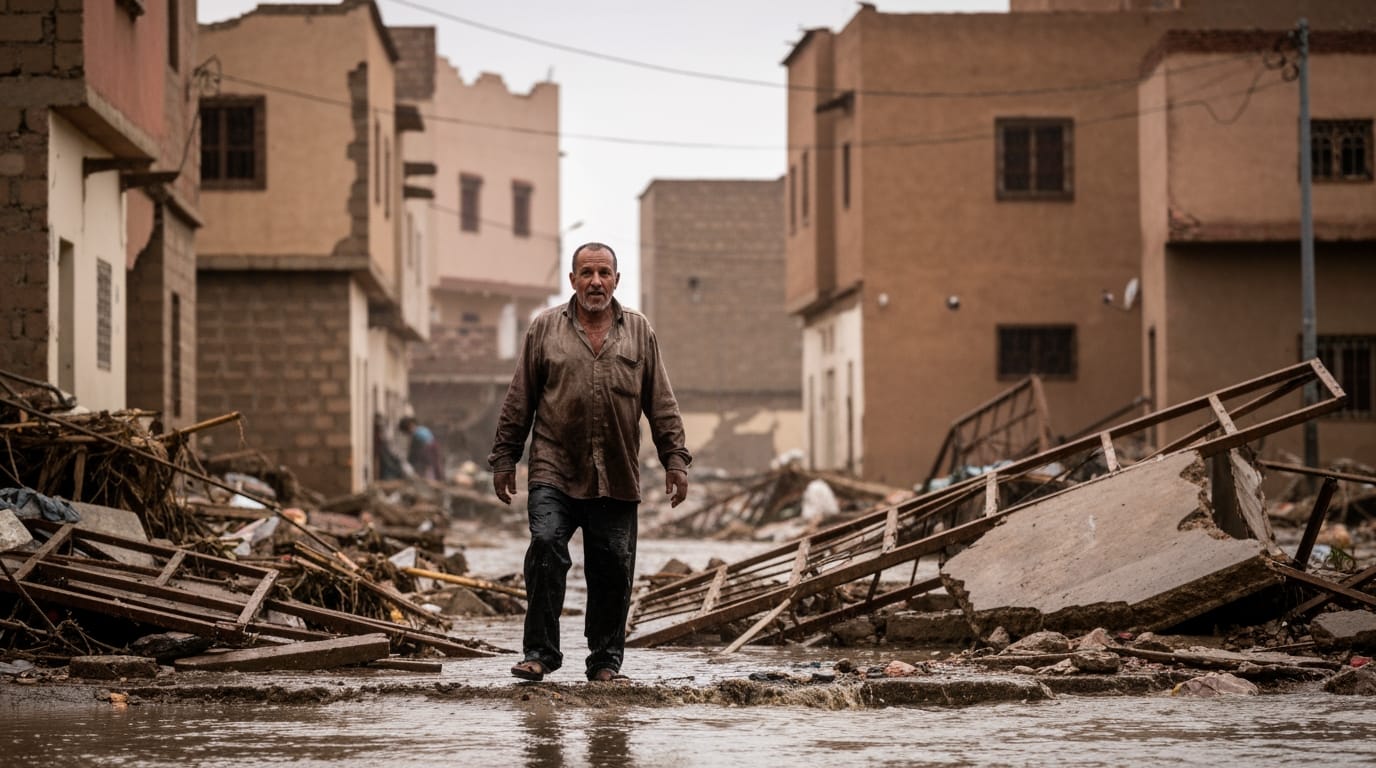
Safi, Morocco – A sudden and violent deluge unleashed flash floods across Morocco's Atlantic coastal city of Safi on Sunday, resulting in the deaths of at least 21 individuals and leaving a trail of widespread destruction. The torrential rains, described by authorities as intense and swift, rapidly transformed streets into raging torrents, overwhelming the historic port city and causing significant material damage. The devastating event has underscored Morocco's persistent vulnerability to extreme weather phenomena, even as the nation has grappled with years of drought preceding this recent period of heavy precipitation.
The Deluge in Safi: A City Submerged
The catastrophic flash floods struck the province of Safi with little warning, as a concentrated burst of heavy rainfall descended upon the region on Sunday. Local reports indicate that merely an hour of intense downpour was sufficient to trigger the deadly inundation. The sheer volume and velocity of the water, exacerbated by Safi's urban topography, quickly overwhelmed drainage systems and turned thoroughfares into treacherous rivers. Homes and businesses within the old town of Safi were particularly hard-hit, succumbing to the rising floodwaters that swept through their foundations.
Eyewitness accounts and official statements painted a grim picture of chaos and rapid destruction. Vehicles were reportedly swept away by the powerful currents, illustrating the force of the floodwaters. Major roads leading into and out of Safi were cut off, severely impeding transit and initially complicating emergency response efforts. The swift onset of the flood left many residents with little time to react or seek safety, highlighting the inherent dangers posed by such rapid-onset natural disasters in densely populated areas. The incident in Safi serves as a stark reminder of the destructive power of nature and the immediate threat it poses to lives and infrastructure.
Heavy Human Toll and Emergency Response
The immediate aftermath of the floods revealed a tragic loss of life, with Moroccan authorities confirming at least 21 fatalities. In addition to the deaths, 32 people sustained injuries, though most have since been discharged from hospitals after receiving medical attention. The scale of the human tragedy has prompted an extensive emergency response, with civil protection units, local authorities, and community volunteers mobilizing to address the crisis. These teams faced the arduous task of searching for victims, evacuating stranded residents, and assessing the full extent of the damage across the affected areas. While specific details on rescue operations in Safi for this particular event are still emerging, Morocco's Civil Protection services are typically at the forefront of such interventions, often coordinating with local authorities to conduct emergency operations. Their work involves not only immediate rescue but also providing assistance to those displaced and initiating recovery efforts in the wake of such disasters. The process of identification and recovery of victims is often prolonged and emotionally taxing for both responders and the affected communities.
Morocco's Enduring Vulnerability to Flash Floods
The recent tragedy in Safi is not an isolated incident but rather the latest in a recurring pattern of flash floods that plague Morocco. The North African nation is geographically susceptible to such events, particularly in its semi-arid regions and mountainous terrains where rainfall can quickly lead to sudden and violent surges in wadis – seasonal riverbeds that are typically dry. The rapid runoff from steep slopes into these wadi systems often results in devastating inundations, impacting vulnerable settlements built along their courses.
In recent years, Morocco has experienced a complex and challenging climate pattern. Following a prolonged period of severe drought, which spanned approximately seven years and significantly depleted the country's main reservoirs, the region has seen a notable increase in heavy rainfall and even snowfall in the Atlas Mountains. While welcomed for alleviating water scarcity, these intense precipitation events, especially after prolonged dry spells, increase the risk of flash floods. The parched earth, hardened by drought, has a reduced capacity to absorb sudden downpours, leading to rapid surface runoff and increased flood intensity.
Several other significant flood events underscore this vulnerability. In September 2024, heavy rains caused floods in southeastern Morocco, leading to 11 deaths and leaving a dozen people missing across regions like Tata, Errachidia, and Tiznit. Earlier, in November 2014, devastating floods in southern Morocco, particularly around Guelmim and Ouarzazate, killed at least 32 people, with residents describing them as the heaviest storms in decades. In October 2025, the province of Nador also experienced major flood damage, though no fatalities were reported, highlighting ongoing infrastructure challenges. These past incidents illustrate the persistent threat and the critical need for effective flood risk management strategies across the country.
Towards Enhanced Resilience and Prevention
The tragic events in Safi amplify urgent discussions surrounding Morocco's long-term strategies for flood prevention and climate change adaptation. While significant strides have been made in strengthening the country's disaster response capabilities, as evidenced by enhanced Civil Protection training and international accreditation, the recurring nature and intensity of these floods call for continuous re-evaluation and investment. The Moroccan government has, over the years, implemented initiatives such as the National Flood Prevention Program (PNPI), aimed at minimizing risks and impacts through prevention, preparedness, and emergency management. This program has identified nearly 400 at-risk areas nationwide and outlined substantial investments, including structural measures like dams, to mitigate flood risks.
Beyond structural solutions, there is an ongoing emphasis on improving early warning systems, particularly given the rapid onset characteristic of flash floods in wadi systems. Studies highlight the need for a better understanding of wadi flood processes to develop more effective solutions. Furthermore, the government has established financial mechanisms, such as the Fund for Combating the Effects of Natural Disasters (FLCN), and introduced a catastrophic risk insurance scheme to provide support and aid to affected populations, including financial assistance for rebuilding damaged homes. Efforts also extend to rehabilitating damaged infrastructure, including roads, communication networks, electricity, and water supplies.
However, challenges remain, including the need for more comprehensive civil protection resources, improved infrastructure, and the continuous adaptation of local response teams to evolving climate patterns. The Minister of Equipment and Water recently underscored that managing flood risk has become a critical issue for Morocco, especially as climate change accelerates its impact.
A Call for Continued Vigilance
The human toll and devastation wrought by the flash floods in Safi cast a somber shadow over Morocco. As emergency services continue their work and communities begin the process of recovery, the incident serves as a poignant reminder of the relentless challenges posed by extreme weather. The interplay of a prolonged drought followed by intense, sudden rainfall events underscores the complex and often unpredictable nature of climate change impacts. While Morocco has demonstrated a commitment to building resilience and implementing preventative measures, the tragedy in Safi reaffirms the critical, ongoing need for enhanced preparedness, robust infrastructure, and adaptive strategies to safeguard lives and livelihoods against the increasing frequency and intensity of natural disasters. The resilience of the Moroccan people, coupled with sustained governmental and international efforts, will be crucial in navigating these turbulent environmental shifts.


