Vance Says Europe Could Have Prevented Iraq War "Strategic Disaster"
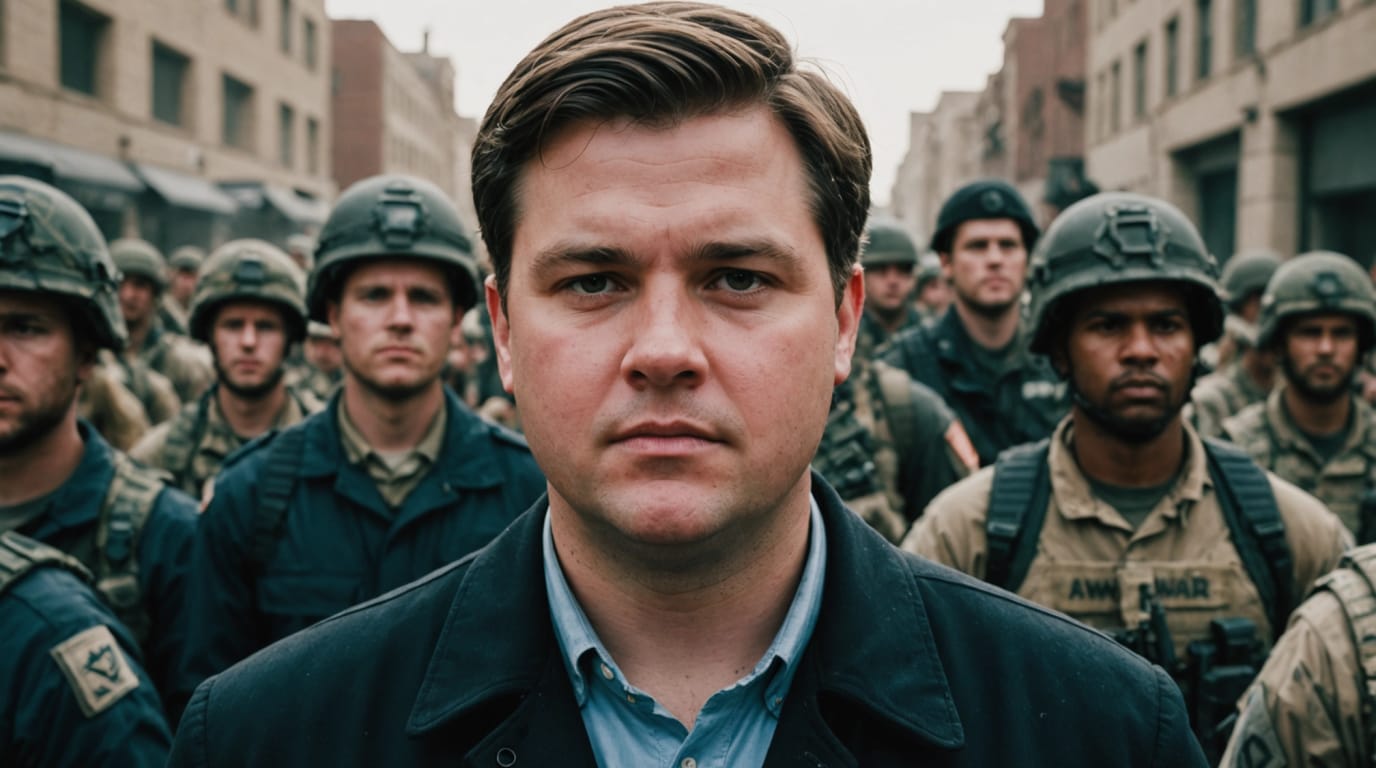
U.S. Vice President JD Vance has stated that European nations should have taken a stronger, more independent stance against the American-led invasion of Iraq in 2003, arguing that greater European opposition could have averted what he called a "strategic disaster." Vance's remarks, made during an interview, touched on a range of transatlantic issues, including security, immigration, and economic relations.
Vance, a combat veteran of the Iraq War, suggested that a more unified and assertive European front could have potentially altered the course of events leading up to the invasion. He emphasized that he does not want Europe to simply follow the lead of the United States, believing that it is neither in Europe's nor America's best interest.
Echoes of 2003: European Divisions
In 2003, the lead-up to the Iraq War exposed deep divisions within Europe. While countries like Britain, under then-Prime Minister Tony Blair, aligned with the U.S., others, including France and Germany, voiced strong opposition to military intervention. These divisions weakened Europe's collective influence on the international stage and ultimately failed to prevent the invasion. Vance's comments suggest that a more unified and forceful European stance might have given pause to the Bush administration's push for war.
The Iraq War's legacy continues to be debated, with many questioning its justification, execution, and long-term consequences for the region and the world. The war is seen by some as a destabilizing force that contributed to the rise of extremist groups and exacerbated sectarian tensions.
Security Concerns: A Call for European Independence
Vance also addressed broader security concerns, arguing that Europe relies too heavily on the United States for its defense. He stated that Europe's security infrastructure has been subsidized by the U.S. for his entire life. While acknowledging that some nations, such as Britain, France, and Poland, maintain capable militaries, he asserted that many European countries lack the capacity to adequately defend themselves.
He urged Europe to develop greater military independence, arguing that it is not in Europe's interest to be a "permanent security vassal" of the United States. This call for greater European self-reliance aligns with a broader debate about burden-sharing within NATO and the need for Europe to take greater responsibility for its own security.
Immigration and Integration: A Challenge for Europe
Beyond security, Vance raised concerns about immigration and integration in Europe. While stating that he "loves" Europe, he suggested that European governments need to be more responsive to voters' concerns about immigration. He did not elaborate on specific policies but alluded to the challenges of integrating immigrants into European societies and the need for governments to address these issues effectively.
Immigration has become an increasingly contentious issue in many European countries, fueling political debates and contributing to the rise of nationalist movements. Concerns about border control, cultural integration, and the economic impact of immigration have become central to the political discourse in many European nations.
Transatlantic Relations: Navigating a Complex Landscape
Vance's remarks come at a time of complex and evolving transatlantic relations. While reaffirming the importance of the U.S.'s alliances with Europe, he also signaled a desire for a more balanced and reciprocal relationship. He sought to allay fears of further trade wars and economic insecurity, saying that policies will lead to positive trade relationships with Europe. However, he said that would be trickier to achieve for some countries like Germany, which he said was "heavily dependent".
The rise of populism and nationalism in both the U.S. and Europe has strained traditional alliances and raised questions about the future of transatlantic cooperation. Differences over trade, climate change, and security policy have created friction between the U.S. and its European allies.
Looking Ahead: A More Independent Europe?
JD Vance's comments underscore the ongoing debate about Europe's role in the world and its relationship with the United States. His call for greater European independence on issues ranging from security to foreign policy reflects a growing sentiment that Europe needs to take greater control of its own destiny. Whether Europe will heed this call and forge a more independent path remains to be seen, but Vance's remarks have undoubtedly added fuel to the discussion. The future of transatlantic relations will depend on how both the U.S. and Europe navigate these complex challenges and find common ground on issues of mutual concern.