Venezuela Denounces US Deportations as 'Vulgar Kidnapping'
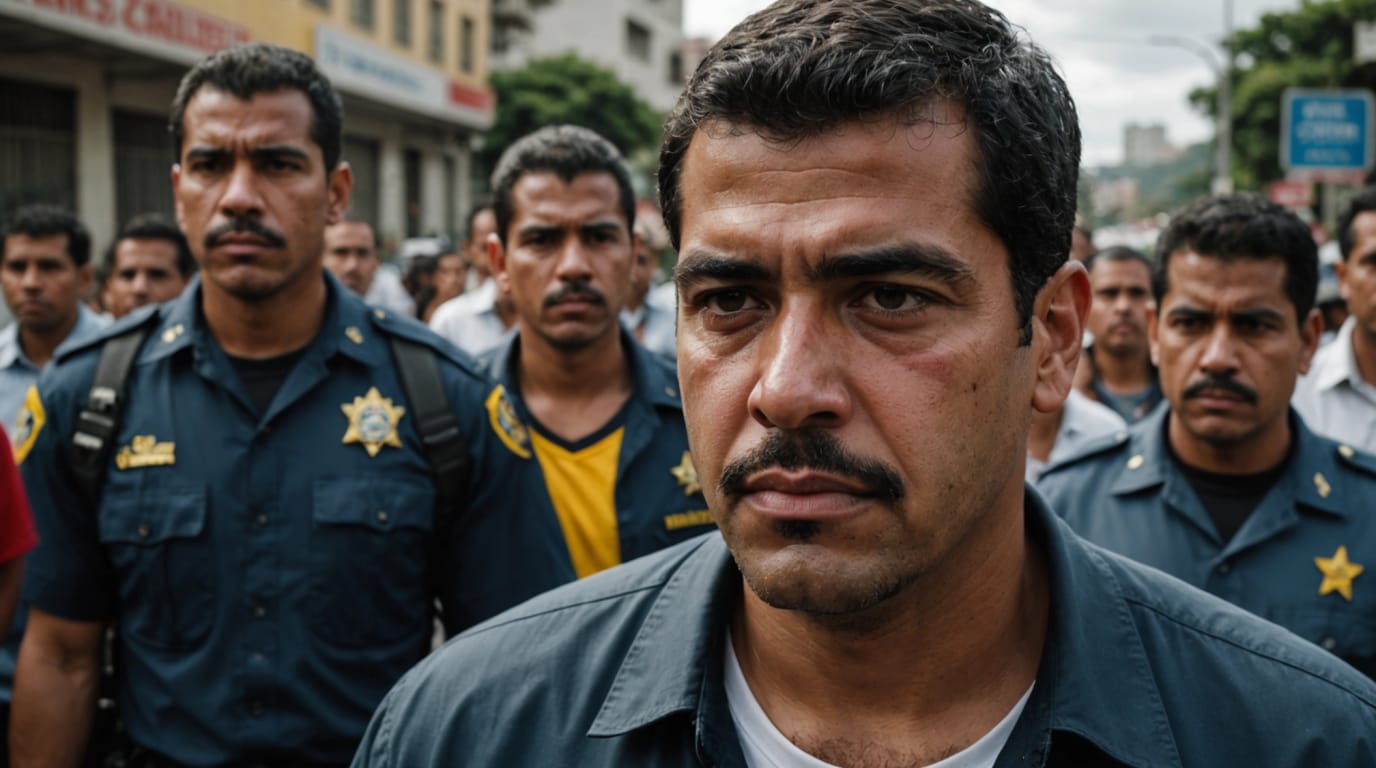
Venezuela is vehemently protesting the recent actions of the United States government, specifically the deportation of hundreds of Venezuelan nationals to El Salvador under the rarely invoked Alien Enemies Act. Venezuelan officials are decrying the move as a "vulgar kidnapping" and a violation of human rights, further straining the already tense relationship between the two nations. The deportations, initiated by the Trump administration, have sparked outrage and accusations of political maneuvering, with Venezuela asserting that the U.S. is falsely portraying its citizens as dangerous criminals.
The Alien Enemies Act and its Revival
The core of the controversy lies in the U.S. government's decision to utilize the Alien Enemies Act, a law dating back to 1798. This act grants the president the power to detain and deport citizens of countries deemed to be at war with the United States. The Trump administration invoked this act, claiming that the deported individuals were members of the Tren de Aragua, a Venezuelan criminal gang, and thus posed a threat to national security. This justification has been met with strong opposition from Venezuela, which argues that the U.S. is not at war with Venezuela and that the act is being misused. The invocation of the Alien Enemies Act has only been used a few times, most recently during World War II.
Venezuela's Counter-Narrative
Venezuelan officials are actively pushing back against the U.S. narrative, asserting that the Tren de Aragua gang was effectively dismantled in 2023. Interior Minister Diosdado Cabello stated that none of the deported individuals appear on the organizational chart of the now-defunct gang. The Venezuelan government views the U.S. claims as a politically motivated attempt to tarnish the image of Venezuelan migrants and justify harsh immigration policies. Jorge Rodriguez, a top Venezuelan negotiator, accused Washington of spreading a false narrative and characterized the transfer of migrants to El Salvador as kidnappings.
The Deportation Process and Concerns over Due Process
Adding to the controversy is the manner in which the deportations were carried out. Reports indicate that over 200 Venezuelans were deported to El Salvador and will be jailed for at least a year. Concerns have been raised about the lack of due process afforded to these individuals. Under the Alien Enemies Act, those accused of being gang members have limited ability to challenge the accusations against them. The American Civil Liberties Union (ACLU) filed a lawsuit against the U.S. government, arguing that the act cannot be applied to Venezuelan nationals because the U.S. is not at war with Venezuela. Families of the deported individuals have also come forward, denying any gang affiliations and stating that some of their relatives have never been charged with a crime.
El Salvador's Role and the Mega-Prison
El Salvador's involvement in this situation has also drawn scrutiny. The deported Venezuelans are being held in El Salvador's Terrorism Confinement Center, a mega-prison with a capacity of 40,000 inmates. The facility was constructed as part of President Nayib Bukele's crackdown on gangs. Venezuela alleges that the U.S. is essentially outsourcing its immigration enforcement to El Salvador, potentially exploiting the migrants for forced labor to finance the prison system. The arrival of the migrants followed an agreement where the Trump administration would pay the government of President Bukele $6 million for one year of services.
Implications and Future Relations
The deportations and the ensuing diplomatic fallout have further strained relations between the U.S. and Venezuela. The Venezuelan government has announced it will challenge the deportations before the United Nations and other international bodies, alleging "crimes against humanity." The situation also raises concerns about the treatment of Venezuelan migrants in the U.S. and the potential for future deportations based on unsubstantiated claims of gang affiliation. The U.S. government faces a deadline to respond to a judicial request for more details on the deportations, which could shed further light on the evidence used to justify the actions. The long-term impact on bilateral relations remains uncertain, but the current situation represents a significant setback in any potential efforts to improve ties between the two countries.


