Venezuela Reels as Earthquake Death Toll Nears 3,000, Hope for Survivors Fades
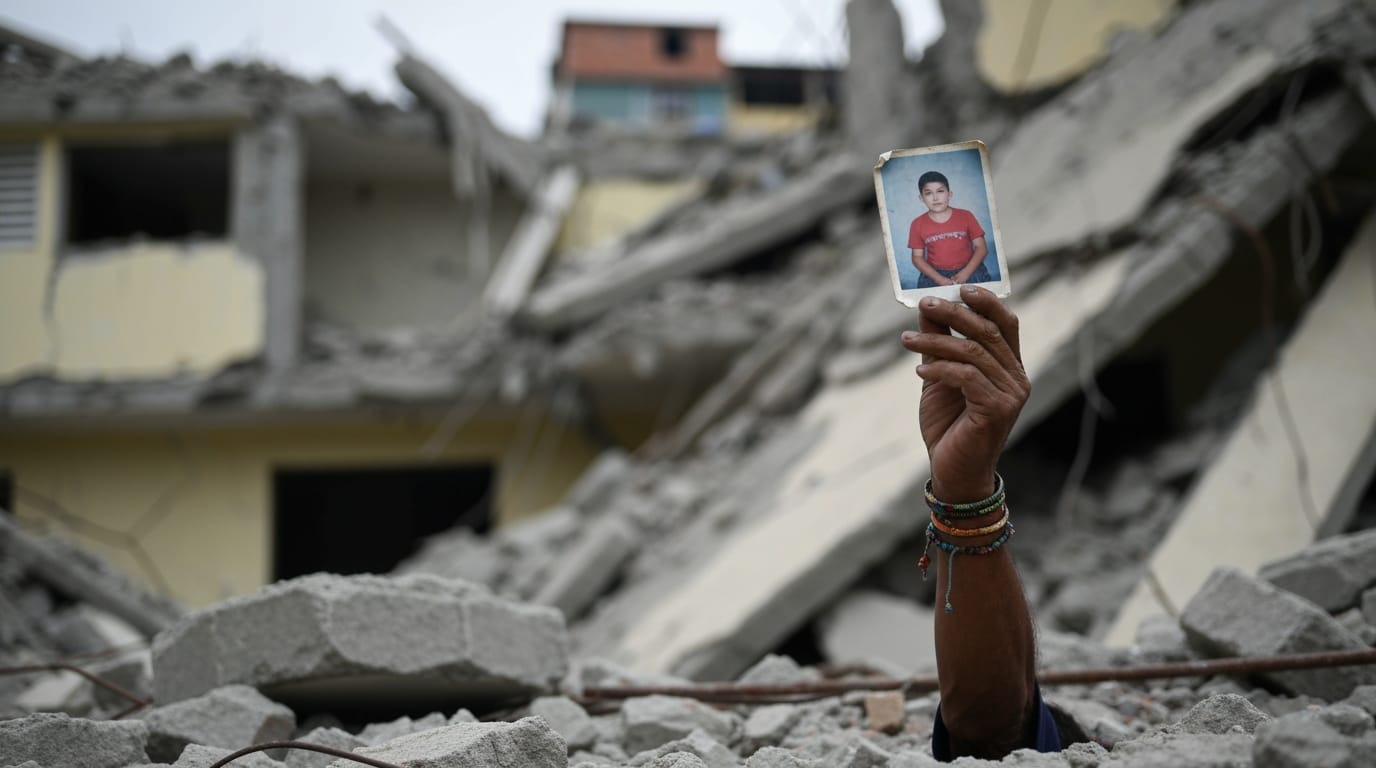
CARACAS, Venezuela – The devastating aftermath of twin earthquakes that rocked Venezuela on June 24, 2026, continues to unfold, with the official death toll nearing 3,000 and prospects of finding more survivors dwindling rapidly. As of July 1, official figures reported 2,295 fatalities and over 11,000 injuries, a grim count that experts fear will rise significantly as rescue efforts transition to recovery amidst scenes of widespread destruction across the nation's central and northwestern regions.
The powerful seismic events, registering magnitudes of 7.2 and 7.5, struck just 39 seconds apart, with epicenters identified in Veroes Municipality, Yaracuy. The tremors triggered a cascade of destruction, particularly in the densely populated coastal state of La Guaira and the capital city of Caracas, where homes, public buildings, and critical infrastructure succumbed to the force of the quakes. The catastrophe has compounded an already precarious humanitarian situation, placing immense strain on a country already grappling with economic hardship and political instability.
Widespread Catastrophe and Mounting Casualties
The immediate impact of the earthquakes was catastrophic, leveling nearly 800 buildings and severely damaging tens of thousands more across La Guaira, Caracas, and at least six other states, including Miranda, Carabobo, Falcón, and Yaracuy. Satellite analysis revealed that more than half the buildings in severely hit areas like Caraballeda, Macuto, and Naiguatá sustained a damage probability of at least 75%, indicating the sheer scale of the structural failures. The vulnerability of the affected regions was exacerbated by prevalent construction practices, including unreinforced brick masonry and adobe block housing, alongside non-ductile concrete buildings that proved highly susceptible to collapse. Experts point to decades of lax building code enforcement and soil instability in areas like La Guaira as critical factors amplifying the human cost.
The human toll is staggering, with over 16,000 injured and tens of thousands reported missing in the chaos that followed the tremors. Many families remain displaced, with entire communities struggling to process the loss of loved ones and livelihoods. The continuous aftershocks, numbering over 700 since the initial quakes, have further terrorized residents and complicated rescue operations, creating an ongoing sense of instability.
The Fading Echoes of Hope in the Rubble
In the critical hours and days following such a massive disaster, search and rescue (SAR) operations are a race against time. International Urban Search and Rescue (USAR) teams, often utilizing highly trained K9 units, seismic sensors, acoustic sensors, and specialized cameras, have been deployed to detect signs of life beneath the mountains of rubble. However, the window for live rescues narrows considerably after the first 72 hours, and as days turn into a week, hope dims for those still trapped. The majority of initial rescues are typically carried out by local communities and neighbors in the immediate aftermath, highlighting the importance of immediate, localized response.
Despite the heroic efforts of local and international teams, logistical hurdles and the sheer scale of the devastation have hampered progress. Damaged infrastructure, including compromised airports and ports, shattered telecommunications networks, and impassable roads due to landslides and debris, have created significant barriers to aid delivery and the coordination of rescue missions. The uncoordinated movement of well-intentioned civilians has also, at times, inadvertently obstructed critical rescue routes, delaying ambulances and specialized equipment.
Humanitarian Crisis Deepens Amidst Logistical Obstacles
The earthquake struck a nation already grappling with a severe and prolonged humanitarian crisis, where an estimated 7.9 million people required assistance even before the seismic events. The destruction of essential services such as electricity, drinking water, and domestic gas supply has plunged affected areas into further distress. Hospitals, many already operating beyond capacity, are now overwhelmed with thousands of injured, while water sources are dangerously compromised, raising fears of disease outbreaks.
The provision of humanitarian aid is severely complicated by Venezuela's complex socio-political landscape. Long-standing international sanctions have created logistical challenges, making it difficult to directly ship aid and procure necessary resources. Security concerns and a pre-existing failing communication infrastructure further impede the effective distribution of aid to those most in need. International organizations like UNICEF and the World Food Program (WFP) have scaled up their efforts, focusing on urgent needs such as safe shelter, clean water, healthcare, and nutrition, but the overall humanitarian response in Venezuela has been significantly underfunded in recent years.
The Road to Recovery: A Tremendous Undertaking
The economic toll of the earthquakes is projected to be immense. Initial estimates from the United Nations Development Programme (UNDP) placed direct physical damage at $6.7 billion, equivalent to about 6% of Venezuela's GDP. However, the United Nations Office for Disaster Risk Reduction (UNDRR) now estimates the total direct physical damage to buildings and infrastructure could reach $37 billion, a figure that does not include indirect economic losses, disruptions to productive activities, or the long-term costs of reconstruction. Telecommunications alone sustained an estimated $5 billion in losses, with energy, highways, railways, and water infrastructure also suffering billions in damage.
Rebuilding efforts face formidable challenges, particularly given Venezuela's significant national debt and pre-existing economic instability. The country's ability to finance such a colossal reconstruction without substantial external support is uncertain. Furthermore, frozen Venezuelan public assets due to international sanctions have restricted the government's capacity to acquire specialized rescue equipment, medicines, and essential construction materials, further complicating recovery efforts. The psychological impact on survivors, particularly children who are highly vulnerable in post-disaster scenarios, will also require extensive and sustained support.
As the immediate crisis subsides and the arduous task of recovery begins, Venezuela faces a monumental undertaking to rebuild its communities and infrastructure. The dual tragedies of the earthquake and the pre-existing humanitarian crisis underscore the urgent need for coordinated international support and a sustained focus on the long-term well-being of its affected population.


