West Bengal Deportations Fuel Human Rights Crisis Amidst New Government Crackdown
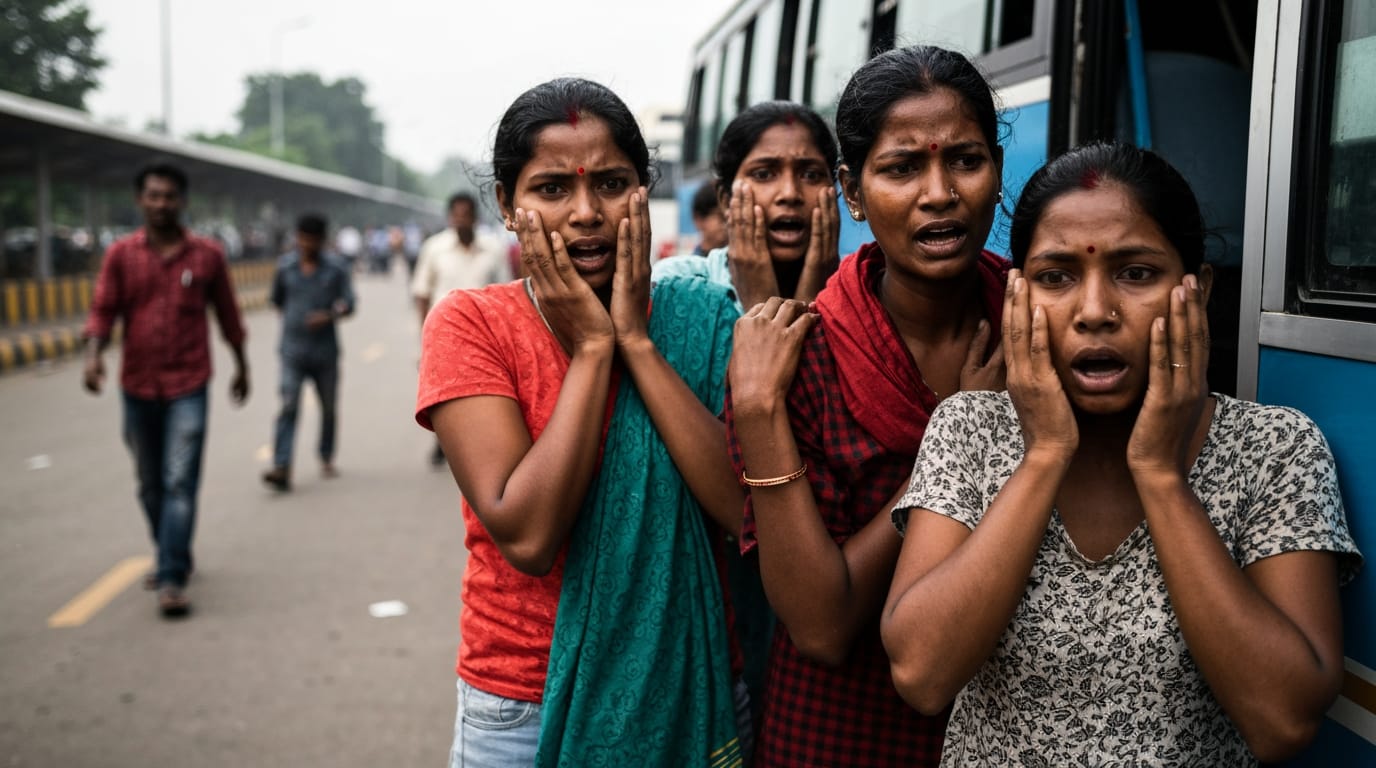
KOLKATA, INDIA – A sweeping "detect, delete, and deport" policy initiated by West Bengal's newly elected Bharatiya Janata Party (BJP) government has led to the expulsion of thousands of alleged undocumented immigrants to Bangladesh, triggering widespread human rights concerns from international and local organizations. The aggressive campaign, a fulfillment of a key election promise, targets ethnic Bengali Muslims and Rohingya refugees, sparking fears of arbitrary expulsions, lack of due process, and potential statelessness for individuals, including many who claim Indian citizenship.
A Policy Shift and Rapid Implementation
Following its significant victory in the West Bengal assembly elections in May 2026, the BJP-led state government swiftly moved to implement a hardline stance on immigration. Chief Minister Suvendu Adhikari announced the immediate initiation of deportation proceedings against individuals classified as "illegal Bangladeshi infiltrators" who do not fall under the purview of the Citizenship Amendment Act (CAA). This marks a dramatic departure from the previous Trinamool Congress (TMC) government's resistance to the central citizenship legislation. The state police have been instructed to actively identify, arrest, and detain these undocumented individuals, subsequently handing them over to the Border Security Force (BSF) for deportation in coordination with Border Guards Bangladesh (BGB).
The new administration has also mandated the establishment of "holding centers" across all districts to detain "apprehended foreigners" awaiting removal. As of early June 2026, Chief Minister Adhikari stated that approximately 4,800 "illegal infiltrators" had been deported to Bangladesh over the preceding month, with an additional 836 individuals currently held in these centers awaiting similar action. The government justifies these actions by citing security and socio-economic ramifications linked to illegal migration, echoing historical rhetoric from top BJP members who have referred to migrants as "termites" and "infiltrators". Furthermore, land has been allocated to the BSF for the construction of approximately 100 kilometers of fencing along the 2,216-kilometer India-Bangladesh border, which remains partially unfenced.
Alarming Human Rights Violations
Human rights organizations, including Human Rights Watch (HRW), have sharply criticized India's deportation practices, emphasizing a profound disregard for due process rights and international human rights standards. HRW asserts that hundreds of ethnic Bengali Muslims, some of whom are Indian citizens, have been unlawfully expelled to Bangladesh without essential procedural safeguards. Elaine Pearson, Asia director at Human Rights Watch, alleged that the ruling BJP is "fueling discrimination by arbitrarily expelling Bengali Muslims from the country, including Indian citizens".
The concerns extend to the very method of these expulsions. Rights activists report that many deportations occur as "pushbacks," often without judicial oversight, formal deportation orders, or access to legal aid. This approach means individuals are often denied the opportunity to appeal decisions or receive information regarding the grounds for their expulsion. India's Supreme Court declared in December 2025 that foreign nationals possess almost no rights under the Indian constitution, which critics argue is being used to bypass established legal norms for deportation. However, even in the context of this ruling, the Court has intervened on humanitarian grounds in past cases of wrongful deportation.
Several instances have surfaced where individuals identified as Indian citizens, particularly migrant workers from West Bengal, were wrongfully detained and pushed across the border, only to be returned to India after intervention from state authorities. These incidents underscore the high risk of Indian nationals being mistakenly deported due to ethnic profiling, which disproportionately impacts the Muslim population by conflating religious identity with illegal migration. The practice also risks creating statelessness for individuals not accepted by either country. Moreover, the crackdown includes Rohingya refugees, raising alarm among humanitarian groups regarding potential violations of international norms on refugee protection. Conditions in temporary waiting areas at border checkpoints, such as Hakimpur village, have been described as challenging, with reports of cramped spaces and a lack of potable water, further exacerbating humanitarian concerns.
Historical Context and Broader Implications
Migration between Bangladesh and India has a long, complex history, driven by economic opportunities, family ties, and the shared linguistic and cultural heritage along their porous border. The issue of undocumented migration has frequently been a politically charged topic in Indian elections, especially in border states. The current wave of deportations and heightened scrutiny are intrinsically linked to the broader national policies of the BJP government, including the Citizenship Amendment Act (CAA) and the proposed National Register of Citizens (NRC). While the CAA offers a path to citizenship for certain non-Muslim minorities from neighboring countries, it explicitly excludes Muslims, making it a source of significant political controversy and deepening anxieties among India's Muslim population.
The previous West Bengal government, under Mamata Banerjee, had vigorously opposed the CAA and the prospect of a nationwide NRC, arguing it would lead to a revocation of citizenship for many and expressing concerns over the disproportionate targeting of certain communities. The shift in West Bengal's state government, and its subsequent alignment with the central government's immigration policies, signals an intensified crackdown that civil rights activists fear will further marginalize minorities and inflame religious tensions. The Border Guard Bangladesh has reported over 1,500 Muslim individuals, including Rohingya refugees, expelled by India between May 7 and June 15. This situation highlights the potential for ongoing strain in relations between India and Bangladesh, despite efforts to improve communication and cooperation on border management.
A Call for Due Process
As West Bengal continues its operations to "detect, delete, and deport" alleged illegal immigrants, the balance between national security concerns and fundamental human rights remains precarious. Human rights advocates consistently emphasize that while countries have a sovereign right to manage their borders, all individuals, regardless of their nationality status, are entitled to due process, legal representation, and protection against arbitrary detention and expulsion. The growing number of deportations, coupled with documented instances of alleged Indian citizens being wrongfully expelled, underscores the urgent need for transparency, accountability, and adherence to both domestic and international legal obligations to prevent a deepening humanitarian crisis in the region.


