West Bengal's Concluding Poll Phase Marred by Violence and Contentious Rigging Claims
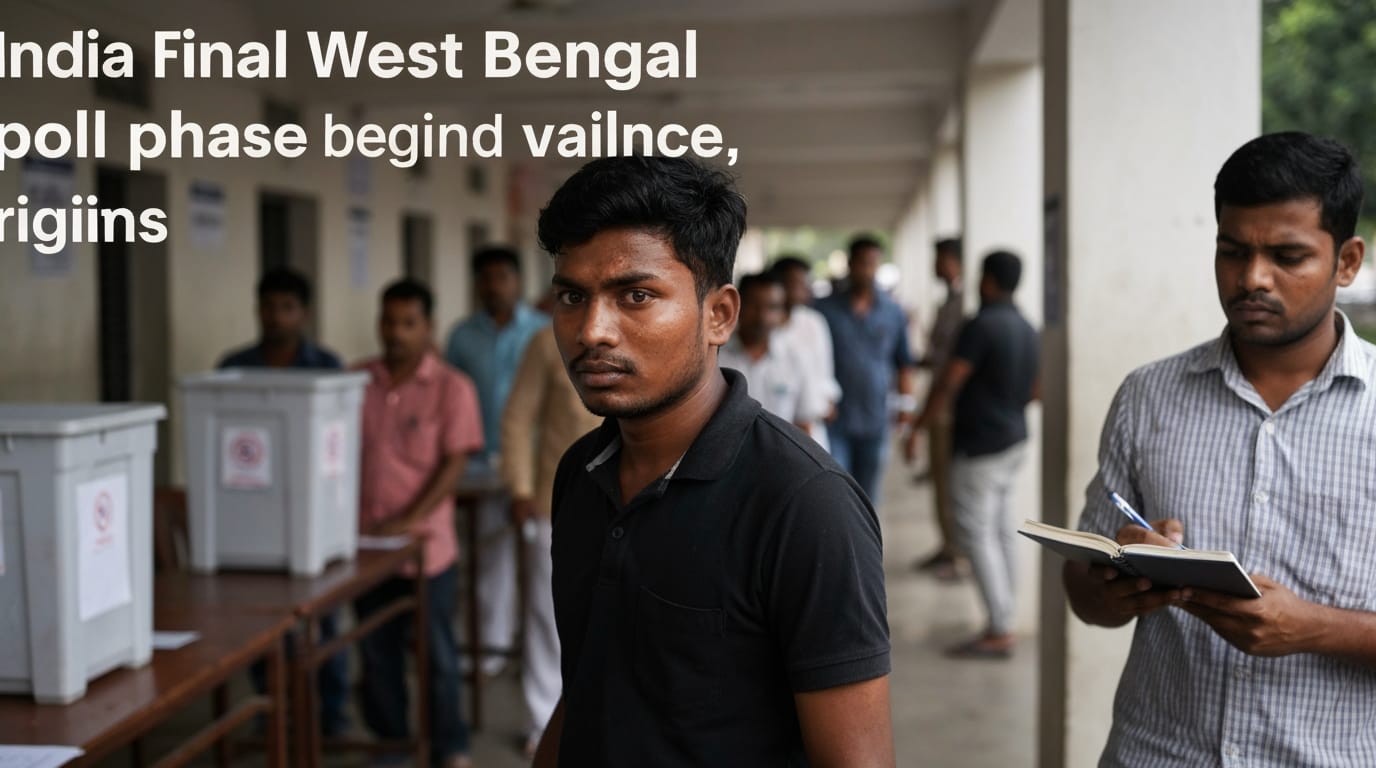
Kolkata, India – The final phase of the West Bengal Assembly elections in 2021 concluded amidst a charged atmosphere, characterized by widespread reports of violence and accusations of rigging from both major political contenders. As voters in 35 constituencies cast their ballots, the long-standing issue of political unrest in the state once again dominated headlines, raising questions about the integrity of the electoral process and the effectiveness of security measures. The culmination of the eight-phase election cycle, which began on March 27, 2021, on April 29, 2021, was overshadowed by intense political animosity and ground-level clashes.
A History of Electoral Volatility
West Bengal has a documented history of political violence entwined with its electoral cycles, a pattern that intensified during the 2021 Assembly elections. Observers and data analysis have described the 2021 polls as the "bloodiest" in recent records, with 300 reported violent events and 58 fatalities during the election period. This pervasive violence is not an isolated phenomenon, with successive ruling dispensations, regardless of ideology, having been accused of utilizing it as a tool to maintain power and stifle opposition. The state alone accounted for a significant portion of election-related violence and fatalities across India, highlighting a deeply entrenched issue within its political landscape.
The decision by the Election Commission of India (ECI) to conduct the 2021 Assembly elections in an unprecedented eight phases, stretching across over a month, was itself a subject of considerable controversy. Opposition parties, including the ruling Trinamool Congress (TMC), Left parties, and the Congress, questioned the ECI's motives, suggesting the extended schedule was designed to benefit the Bharatiya Janata Party (BJP). The ECI, however, defended its decision, citing detailed assessments from central intelligence agencies regarding the extent of political violence in West Bengal as a primary reason for the staggered polls. These assessments reportedly indicated a high number of violent incidents in the state leading up to the elections.
Allegations of Rigging and Intimidation
As the final phase progressed, allegations of electoral malpractice and voter intimidation escalated from both sides of the political spectrum. Chief Minister Mamata Banerjee, leading the Trinamool Congress, publicly accused the BJP of attempting to rig the elections and criticized Election Commission observers, likening them to "terrorists." She claimed that central forces, deployed to ensure peaceful polling, were instead being used to intimidate voters, particularly those aligned with her party. Such accusations painted a picture of a compromised electoral environment where the impartiality of institutions and security forces was called into question.
Conversely, BJP leader Suvendu Adhikari, a prominent figure in the opposition, leveled counter-allegations against Banerjee. He contended that the Chief Minister was mobilizing "goonda elements" to intimidate voters and claimed that Hindu voters were being threatened during the polling process in key constituencies. These reciprocal accusations underscore the deeply polarized and distrustful political climate that defined the West Bengal elections. The involvement of political strategists, such as Prashant Kishor, who worked with the TMC, further fueled these debates, with Kishor himself alleging that the ECI exhibited partiality in favor of the BJP.
Extensive Security Deployment and Candidate Scrutiny
In an attempt to mitigate the pervasive violence, the Election Commission deployed a substantial force of Central Armed Police Forces (CAPF) personnel throughout the election period. Approximately 725 companies of CAPF were stationed across West Bengal for the 2021 Assembly elections. This significant security presence was intended to deter disruptions, ensure voter safety, and facilitate fair polling. Despite these measures, incidents of violence persisted, highlighting the deep-seated nature of political clashes in the region.
Further adding to the concerns about the electoral landscape was the background of some candidates. An analysis by the Association for Democratic Reforms (ADR) revealed that in the 35 constituencies voting in the final phase, 23% of the candidates had declared criminal cases against themselves, with 18% facing serious criminal charges. These candidates represented major political parties, including the Communist Party of India (Marxist), Trinamool Congress, BJP, and Congress, indicating a systemic issue of individuals with criminal backgrounds participating in the electoral process. Several candidates had declared cases related to crimes against women, murder, and attempt to murder, which raised serious questions about candidate selection and electoral integrity.
The Aftermath: Continuing Violence and Investigations
The conclusion of polling did not bring an immediate end to the unrest. Following the announcement of results on May 2, 2021, which saw the Trinamool Congress return to power with a significant majority, widespread post-poll violence erupted across several parts of the state. Reports documented acts of murder, rape, arson, and violent attacks targeting political workers and their supporters. Both the BJP and the TMC reported fatalities among their cadres, transforming the celebratory aftermath of an election into a period of mourning and retribution.
The severity of the post-poll violence prompted significant intervention. The Calcutta High Court ordered a probe by the National Human Rights Commission (NHRC), which subsequently found the then-governing TMC administration culpable for allowing the violence to continue. A Central Bureau of Investigation (CBI) probe was also initiated, underscoring the gravity of the situation and the need for accountability. A year after the elections, many victims of this violence reported being unable to return to their homes or move past the trauma, with some families burdened by debt incurred from seeking medical care.
Conclusion
The 2021 West Bengal Assembly elections' final phase encapsulated a broader narrative of a deeply contested and often violent democratic exercise. From the ECI's decision for an extended polling schedule, influenced by the state's volatile history, to the flurry of rigging claims and counter-claims, the election cycle was a testament to the intense political rivalries at play. The significant deployment of security forces aimed to ensure peace, yet incidents of violence and the criminal records of numerous candidates highlighted persistent challenges. The lingering impact of post-poll violence and the ongoing investigations serve as a stark reminder of the complexities and human cost associated with West Bengal's political landscape, even after the ballots have been counted and a government formed.


