Western Japan Jolted by Potent 6.2-Magnitude Earthquake, No Tsunami Threat Issued
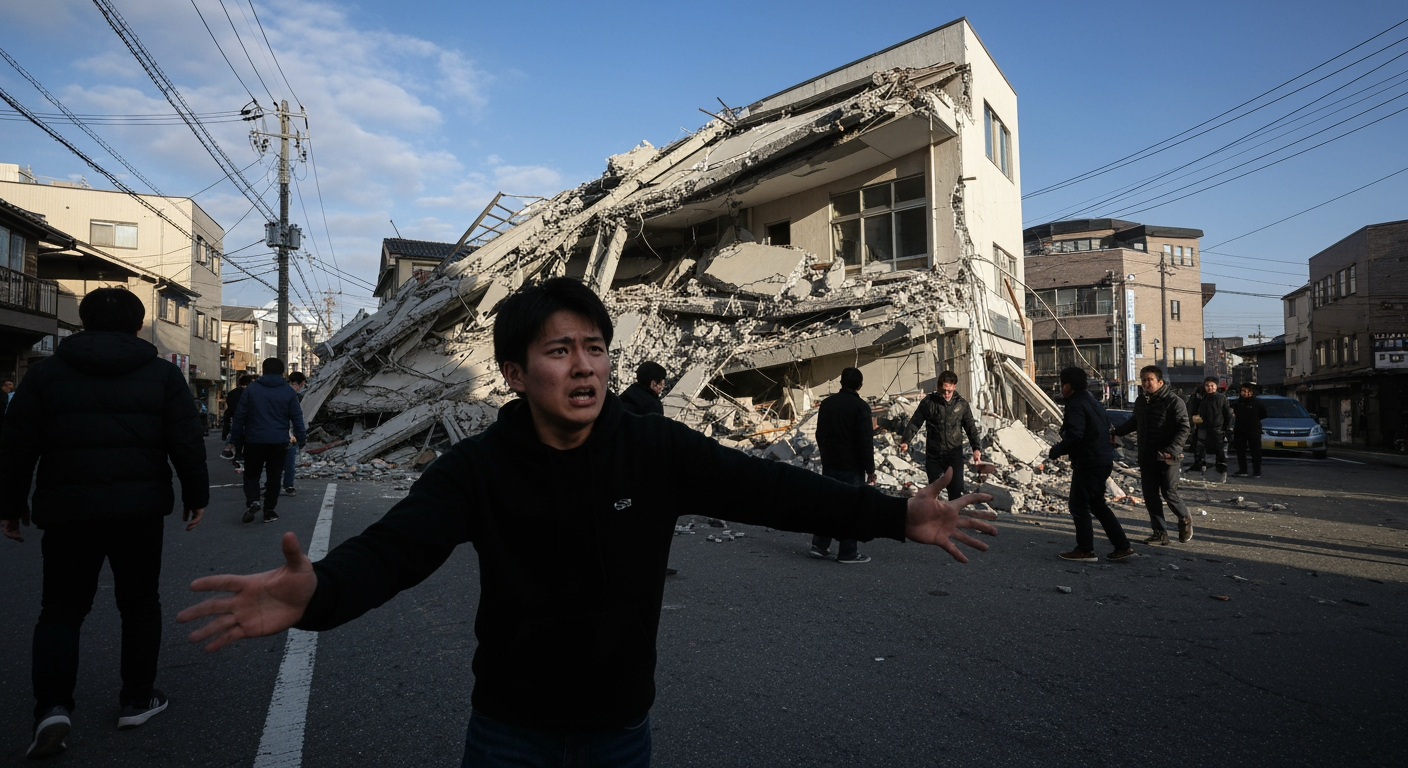
A powerful 6.2-magnitude earthquake struck western Japan's Chugoku region on Tuesday morning, sending significant tremors across eastern Shimane Prefecture and temporarily halting bullet train services. While the seismic event caused widespread alarm and triggered a series of notable aftershocks, authorities confirmed there was no danger of a tsunami, and no immediate reports of major damage or injuries emerged in the quake's immediate aftermath. The quake underscores Japan's constant vulnerability to seismic activity, situated as it is on the Pacific "Ring of Fire."
The Japan Meteorological Agency (JMA) reported the initial quake at 10:18 AM local time (01:18 GMT) with its epicenter located in eastern Shimane Prefecture at a shallow depth of approximately 10 kilometers. The tremor registered an "upper-5" on Japan's unique seven-point Shindo seismic intensity scale in parts of Shimane. An intensity of upper-5 indicates shaking strong enough to make movement difficult without support, potentially toppling heavy furniture, and causing minor structural damage, particularly in older buildings.
Immediate Response and Disruptions
Upon the initial jolt, residents across eastern Shimane experienced significant shaking, with reports indicating homes rattled and some items dislodged from shelves. Despite the intensity, the absence of a tsunami warning was a crucial factor in mitigating immediate fears, a stark contrast to past devastating quakes in the island nation.
In a precautionary measure, West Japan Railway promptly suspended its Shinkansen bullet train operations between Shin-Osaka and Hakata. This standard safety protocol ensures that tracks and infrastructure can be inspected for potential damage following a significant seismic event, prioritizing passenger safety. While the exact duration of the disruption was not immediately clear, such measures are routine in Japan's highly earthquake-prone environment.
Several sizeable aftershocks followed the main tremor, keeping emergency services on alert and residents on edge. Authorities, including the military, initiated aerial assessments to survey the affected regions for any undetected damage, particularly in remote or mountainous areas. The swift, coordinated response reflects Japan's extensive experience and sophisticated disaster management systems honed over decades of frequent seismic activity.
Nuclear Safety and Infrastructure Scrutiny
A primary concern following any significant earthquake in Japan centers on the safety of its nuclear power infrastructure. The Shimane Nuclear Power Station, operated by Chugoku Electric Power, is located approximately 32 kilometers from the epicenter of Tuesday's quake.
Japan's Nuclear Regulation Authority swiftly reported that no abnormalities were detected at the Shimane plant, ensuring public reassurance. Chugoku Electric Power confirmed that operations continued as usual at its No. 2 reactor unit. This unit had only recently resumed operation in December 2024, after a prolonged shutdown period that followed the devastating March 2011 Fukushima Daiichi nuclear disaster. The rigorous inspection and safety protocols implemented since Fukushima are designed to withstand significant seismic forces, and initial reports suggest these systems performed as expected during Tuesday's event.
Beyond nuclear facilities, emergency teams continued to monitor critical infrastructure, including roads, bridges, and utilities. While initial reports indicated no major damage, comprehensive assessments are ongoing to identify any potential stress fractures or less obvious structural weaknesses that could emerge in the coming days. The focus remains on maintaining essential services and ensuring the safety of transportation networks.
Japan's Seismic Landscape and Preparedness
Japan is renowned as one of the world's most seismically active nations, experiencing an average of 1,500 earthquakes annually. The archipelago's location along the western edge of the Pacific "Ring of Fire," where several major tectonic plates converge and interact, makes it particularly susceptible to frequent tremors. The specific geological conditions, including the depth and type of fault rupture, significantly influence the intensity and potential impact of each earthquake.
The nation's advanced seismic monitoring systems, highly stringent building codes, and comprehensive disaster preparedness strategies are a testament to its long history with earthquakes. Japan utilizes a distinct seismic intensity scale, known as Shindo, which measures the degree of ground shaking at specific locations, offering a more immediate and localized understanding of an earthquake's impact compared to the magnitude scale, which quantifies the total energy released. This dual approach allows for targeted emergency responses and public advisories.
The recurring nature of these seismic events has fostered a culture of resilience and preparedness among the Japanese populace. Regular earthquake drills, extensive public education campaigns, and the integration of seismic safety into urban planning are standard practices designed to minimize casualties and damage.
Outlook and Continuing Vigilance
As western Japan assesses the full impact of Tuesday's 6.2-magnitude earthquake, the immediate absence of major casualties or widespread destruction offers a degree of relief. However, the event serves as a potent reminder of the constant seismic threat faced by the nation. Authorities will continue to monitor for further aftershocks, which can sometimes be significant, and to conduct thorough inspections of infrastructure.
The rapid response of emergency services, the adherence to strict safety protocols, particularly concerning nuclear facilities, and the inherent preparedness of the Japanese public played critical roles in managing the initial phase of this natural event. While life in the affected regions is expected to gradually return to normal, the experience reinforces the need for ongoing vigilance and continuous refinement of Japan's world-leading earthquake preparedness measures.
Related Articles


Ratko Mladić, "Butcher of Bosnia" and Convicted War Criminal, Dies at 84
THE HAGUE, Netherlands – Ratko Mladić, the former Bosnian Serb military commander known as the "Butcher of Bosnia" and convicted of genocide, war crimes, and crimes against humanity, has died at the age of 84. Serbian...


Long-Awaited 9/11 Mastermind Trial Set for 2028, Decades After Attacks
GUANTANAMO BAY, Cuba – Nearly a quarter-century after the devastating terror attacks of September 11, 2001, a military judge has finally set a trial date for Khalid Sheikh Mohammed, the alleged mastermind behind the...