Iran Gripped by Nationwide Protests as Dozens Reported Killed in Escalating Crackdown
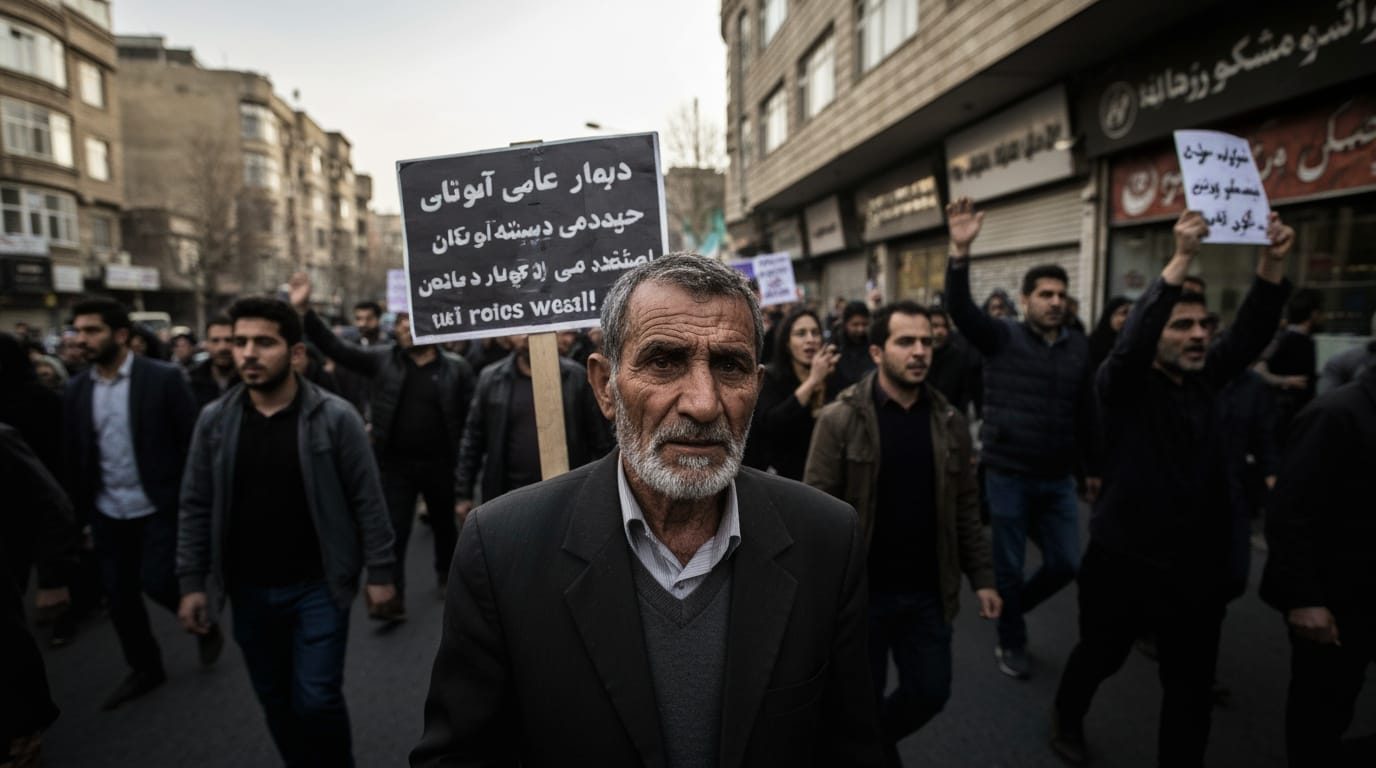
Iran is currently engulfed in its most widespread wave of unrest in three years, as protests ignited by a deepening economic crisis have spread across the country, leading to a deadly crackdown by security forces. Human rights organizations report dozens of fatalities, including minors, and thousands of arrests as the Islamic Republic grapples with a burgeoning crisis of dissent. The demonstrations, which began late last month over soaring living costs, have rapidly evolved into a significant challenge to the authorities, drawing international condemnation and calls for restraint.
The current wave of civil unrest, sparked by severe economic struggles, entered its second week with reports of clashes between demonstrators and security forces in numerous cities and towns. Initially triggered by shopkeepers' strikes in Tehran's influential bazaar on December 28, the protests quickly spread beyond the capital. What began as anger over the rising cost of living and collapsing currency has morphed into broader demonstrations, echoing past nationwide uprisings.
The Spreading Tide of Discontent
The protests have demonstrated a remarkable geographic reach, underscoring the widespread nature of public frustration. While official tallies initially reported demonstrations in at least 40 cities, human rights groups indicate a much broader scale. The Human Rights Activists News Agency (HRANA) reported unrest in at least 222 locations across 26 of Iran's 31 provinces, encompassing over 60 cities and more than 170 locations. The Caspian Post, citing Turkish media, noted protests in at least 78 cities.
The intensity of the demonstrations has been particularly pronounced in medium-sized cities and regions in western Iran, where significant Kurdish and Lor minority populations reside. While protests eventually reached Tehran, the capital's initial demonstrations were described as more limited in scale, involving smaller groups in various districts. This current movement is widely considered the most significant internal challenge to the Iranian government since the 2022-2023 rallies that followed the death of Mahsa Amini in morality police custody. Unlike previous movements, the immediate catalyst this time appears to be primarily economic, touching upon the daily struggles of ordinary citizens.
A Rising Death Toll and Thousands Detained
The human cost of the ongoing crackdown has been a central point of concern, with various human rights organizations reporting a grim and escalating death toll. According to the Human Rights Activists News Agency (HRANA), as of early January, at least 20 people had been killed, a figure that included citizens aged 16 to 45, as well as one member of the security forces. HRANA also documented nearly 1,000 arrests, with minors between the ages of 15 and 17 among those detained in mass roundups across cities like Isfahan, Shiraz, and Yazd.
Other organizations have presented even higher figures, reflecting the severity of the authorities' response. The Center for Human Rights in Iran (CHRI) reported that by January 5, more than 27 civilians, including six children under the age of 18, had been killed by security forces firing live ammunition. By January 6, HRANA's reported death toll had risen to over 34, with more than 2,000 arbitrary arrests. The Norway-based NGO Iran Human Rights (IHR) later updated its count to at least 27 protesters killed, including five minors. These groups have also detailed dozens of injuries, many inflicted by pellets and plastic bullets.
Alarming reports from the Norway-based Hengaw organization and Iran Human Rights NGO specifically highlighted four deaths in the Malekshahi district of Ilam province in western Iran, where security forces allegedly opened fire on protesters. Both organizations shared footage of what appeared to be bloodied corpses, verified by news agencies. Further exacerbating concerns, human rights groups have accused authorities of raiding hospitals in cities like Ilam to seize the bodies of protesters, hindering proper documentation and independent investigations. The Islamic Revolutionary Guard Corps (IRGC), Law Enforcement Forces, and Special Police Units have been identified as primarily responsible for the violence, with documented use of live ammunition, particularly in smaller towns away from wider media scrutiny.
Economic Hardship and the Government's Response
At the heart of the current unrest are Iran's severe economic woes. The protests were initially triggered by a deepening economic crisis characterized by soaring inflation, estimated at around 40%, and a national currency, the rial, that has plunged to approximately 1.4 million to the U.S. dollar. This has led to a dramatic increase in the prices of staple goods such as meat, rice, and fuel, coupled with widespread job insecurity that has profoundly impacted the daily lives of Iranian citizens.
In response to the growing unrest, Iranian authorities have adopted a hardline stance. Police Chief Ahmadreza Radan announced "targeted arrests of protest leaders," accusing them of incitement and seeking to quell the demonstrations through force. Iranian officials have also consistently attributed the protests to foreign interference, a common narrative used to deflect domestic criticism. State media has largely downplayed the extent of the unrest, and journalists face tight restrictions on movement and reporting, making independent verification difficult. Supreme Leader Ayatollah Ali Khamenei issued a stern warning, stating that "rioters must be put in their place," signaling a limited tolerance for sustained dissent. The Center for Human Rights in Iran (CHRI) has condemned the intensified crackdown, including the use of live fire, arbitrary arrests, and even attacks on hospitals to detain the wounded, describing these actions as amounting to "crimes against humanity" under international law. While the focus has been on protester casualties, Iranian authorities have also claimed that members of their security forces have been killed, with reports of a Revolutionary Guard being killed in a confrontation and two "assailants" dying while attempting to storm a police station.
International Outcry and Future Implications
The escalating situation in Iran has prompted significant concern from the international community. The European Union has called for maximum restraint from all sides and urged dialogue to de-escalate the crisis. Amnesty International has demanded an immediate end to the violence against protesters. The UN special rapporteur on human rights in Iran, Mai Sato, issued a stark warning that the violent response seen during the 2022-2023 protest movement "must not be repeated," emphasizing the imperative to protect fundamental human rights. Reflecting the deteriorating security situation, Australia advised its citizens to leave Iran "as soon as possible," citing "ongoing violent nationwide protests that may further escalate without notice" and a "volatile" security environment, also highlighting the high risk of detention, particularly for dual nationals.
These protests represent a fresh and complex challenge for Iran's leadership, particularly following a period of heightened regional tensions, including a recent 12-day conflict with Israel. Public trust, already eroded by years of economic strain and previous crackdowns, appears to be at a low point. Furthermore, the stability of Iran's "Axis of Resistance" in the region, encompassing groups like Hamas and Hezbollah, has reportedly been damaged by war and political upheaval, potentially weakening Tehran's regional influence at a critical juncture. The ongoing unrest underscores the deep-seated grievances within Iranian society and the persistent struggle between the population's demands for economic stability and greater freedoms, and the state's resolve to maintain control.
The nationwide protests in Iran mark a critical moment for the country, exposing profound societal fault lines exacerbated by economic hardship and a heavy-handed state response. With dozens reported dead, thousands arrested, and human rights groups issuing urgent warnings about abuses, the situation remains highly volatile. The international community watches closely as Iranian citizens continue to voice their desperation in the face of economic collapse and political repression, signaling that the current wave of dissent is far from over and its long-term implications for the Islamic Republic remain uncertain.


