When Houses Tell Stories: Tracing the Faded Footprints of Jewish Life Across Continents
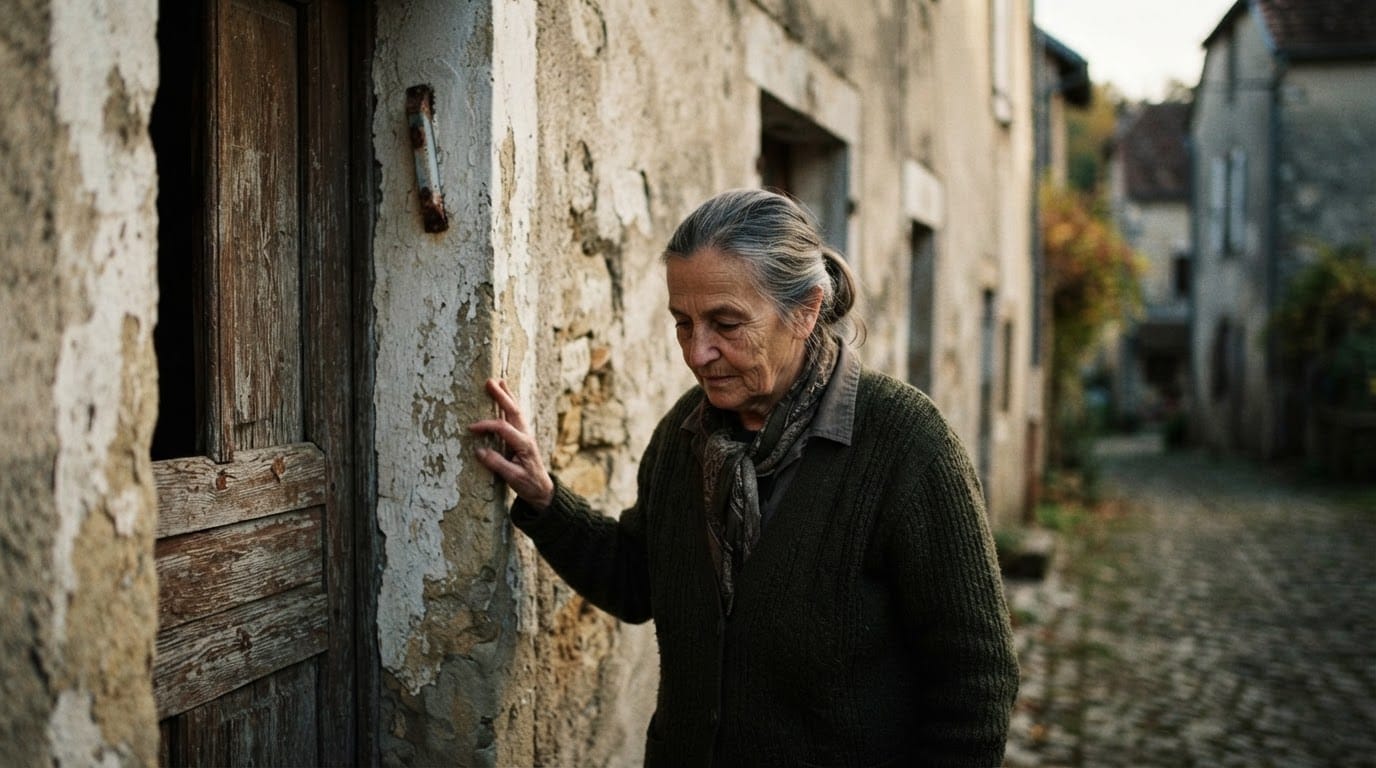
Across ancient alleys, bustling European boulevards, and quiet provincial towns, thousands of residential buildings hold silent testaments to a shared past. A slanted groove cut into a stone doorframe where a mezuzah once rested. Faded Hebrew lettering slowly emerging through peeling facade paint. Hidden attics, sealed alcoves, and refurbished basements that once sheltered families from persecution. Across Europe, North Africa, and the Middle East, ordinary domestic dwellings increasingly serve as tangible primary records of Jewish communities that vanished during the 20th century.
Urban preservationists, historians, and local citizens are actively documenting these domestic structures. The effort treats houses not merely as architecture, but as physical archives of co-existence, sudden rupture, and cultural memory. As direct eyewitnesses to the Holocaust and the mid-century displacement of Middle Eastern and North African Jewry dwindle, the homes they left behind have become critical anchors for historical truth.
Architectural Scars and Domestic Traces
The domestic evidence left behind by former Jewish occupants often appears in subtle, architectural details. In Polish, Ukrainian, and Lithuanian market squares, thousands of wooden and brick townhomes still feature diagonal recesses in their exterior wooden doorposts, cut decades ago to secure ritual prayer scrolls. In neighborhoods such as Kazimierz in Kraków or Marais in Paris, renovated apartments frequently reveal fragments of decorative wall stenciling, hidden prayer rooms, and dual sinks originally installed to observe kosher dietary laws.
Similar traces remain embedded across the Mediterranean and Middle East. In the Jewish quarters, or mellahs, of Moroccan cities like Fez, Essaouira, and Marrakech, residential structures feature distinctive outward-facing balconies and open central courtyards that stood in contrast to surrounding traditional architectural conventions. In Cairo and Baghdad, grand early-20th-century residential townhomes and apartment blocks built by Jewish industrialists and civic figures still display wrought-iron balconies incorporating family initials and cultural symbols.
These subtle physical markers highlight the deep integration Jewish communities maintained within local urban fabrics. Before the Second World War, Poland alone counted more than 3.3 million Jewish citizens, the vast majority living in shared municipal neighborhoods rather than isolated compounds. By the end of 1945, approximately 90 percent of that population had been murdered in the Holocaust, leaving behind tens of thousands of residential structures that were swiftly reallocated to local authorities and neighboring families.
Memory Projects and Physical Cartography
The growing public interest in domestic architecture has spurred dozens of grassroots preservation initiatives aimed at identifying who once lived behind everyday doors. In Germany and across several neighboring European nations, artist Gunter Demnig’s Stolpersteine project has embedded more than 100,000 brass commemorative paving stones directly outside the last chosen residences of individuals deported during the Nazi regime. The 10-centimeter square stones bear the names, birthdates, and fates of former residents, transforming ordinary sidewalks and residential entrances into open-air historical markers.
Digital humanities projects have expanded this work into interactive mapping. Archival networks and municipal heritage departments now link census data, property deeds, and family heirlooms directly to individual street addresses. In cities such as Amsterdam, Prague, and Berlin, digital databases allow pedestrians to scan building facades with mobile devices to view lists of families who occupied the premises prior to wartime deportations.
Scholars at research institutions, including the YIVO Institute for Jewish Research, note that documenting domestic material culture offers a unique dimension to public memory. While official monuments often honor broad groups of victims, domestic research grounds historical events in individual rooms, kitchens, and front doors, connecting broad geopolitical shifts to routine family routines.
Contemporary Clashes Over Ownership and Renovation
The rediscovery of domestic Jewish heritage has introduced complex legal, economic, and ethical challenges. In many Central and Eastern European nations, private property restitution laws passed after the fall of the Soviet bloc triggered years of municipal litigation over residential real estate seized during World War II and subsequently nationalized by communist authorities.
Current property owners and local municipalities often find themselves navigating competing obligations between private modernization and historic preservation. Routine home renovations frequently expose artifacts: discarded prayer books, family photograph collections wedged into floorboards, or hidden cavities once used as concealment spaces during wartime raids. While some homeowners choose to preserve these physical traces behind clear protective casing, others smooth over mortar and paint away remnants to avoid property disputes or historical complications.
Furthermore, rapid real estate development in urban centers poses a significant risk to surviving structures. Historic residential quarters across Eastern Europe and the Middle East face increasing pressure from commercial gentrification and infrastructural demolition. Without formal heritage protections, many non-descript residential properties that once housed generations of Jewish families are quietly torn down to make way for modern apartment complexes and parking garages.
The Enduring Reality of the Physical Home
As international efforts to preserve historical memory adjust to the passage of time, residential structures remain stubborn, physical witnesses to communities that vanished almost entirely from their native landscapes. Unlike museums and purpose-built memorials, domestic homes are spaces shared across generations, forcing current residents and modern communities to confront the lives that unfolded inside their own living rooms decades earlier.
Through conservation programs, educational initiatives, and individual preservation efforts, these buildings continue to bridge past and present. The ongoing work to identify and safeguard their stories ensures that, even when populations disappear, the domestic structures they built and inhabited remain capable of speaking for them.